


Author: Mark Studdert
The bathroom is one of those rooms where relatively small defects can have an outsized effect on presentation. Cracked or discoloured grout, an ageing bathtub, mouldy silicone or an old shower screen can make the entire bathroom feel tired even when most of it is still in perfectly usable condition.
Bathroom renovations typically return 60–80% of their cost in added property value in metro markets. For instance, a standard $15,000–$25,000 bathroom renovation can add $20,000–$40,000 in perceived value for mid‑range properties.
But getting your home ready for sale doesn’t always mean spending tens of thousands of dollars on a bathroom renovation.
If you’re selling soon, the better question may therefore be: what actually needs fixing before buyers walk through the door?
Here are four budget-friendly bathroom and shower improvements worth considering before putting your home on the market.
Tip #1: Consider Regrouting Your Shower
One of the easiest ways for an otherwise good bathroom to look neglected is deteriorating grout.
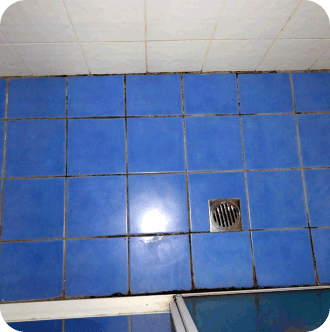
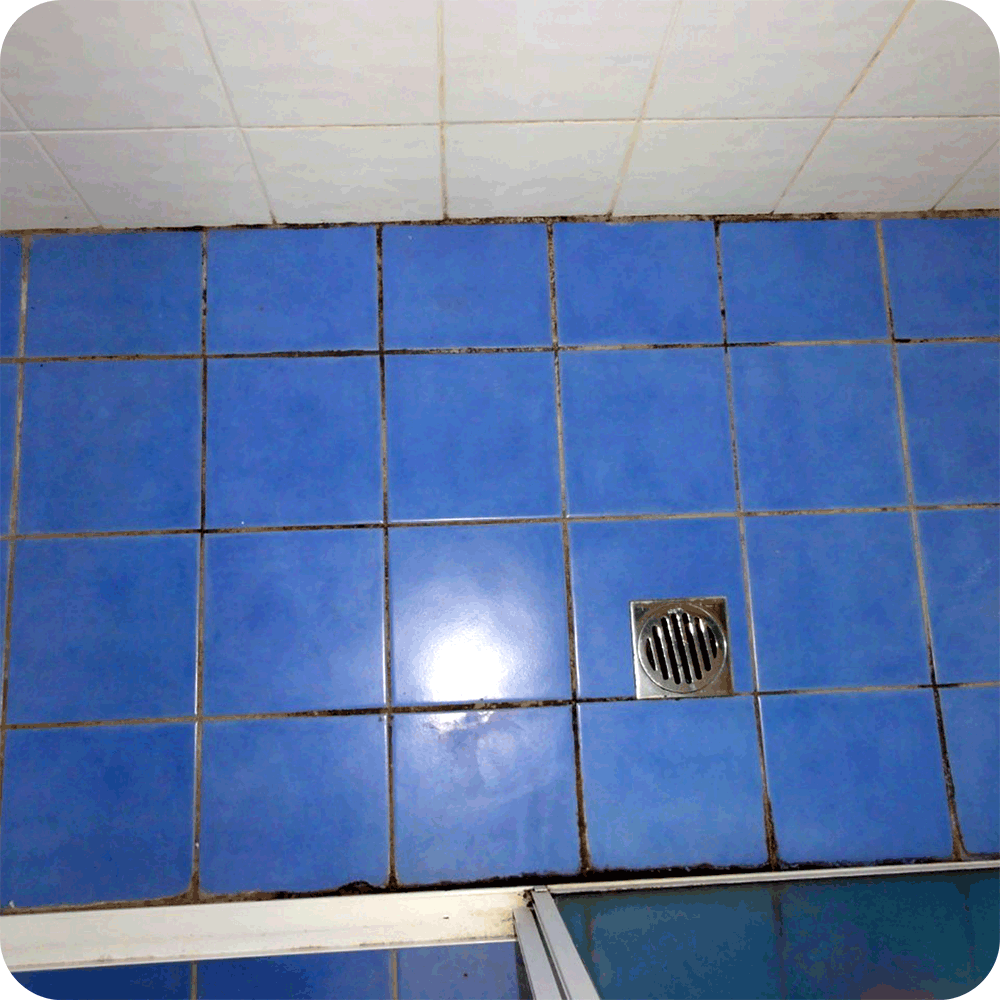
Over time, shower grout can become stained, cracked, mouldy or begin crumbling away. Because the grout lines run throughout the shower, even relatively small areas of discolouration can make the entire space look older.
If you notice cracks, missing sections of grout, persistent mould or moisture outside the shower, it’s worth having the area properly assessed before simply refreshing its appearance.
For this, professional shower regrouting is your best resource to refresh the tiled area without replacing perfectly good tiles.
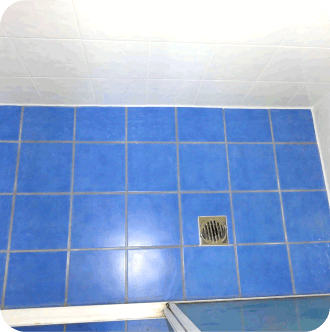
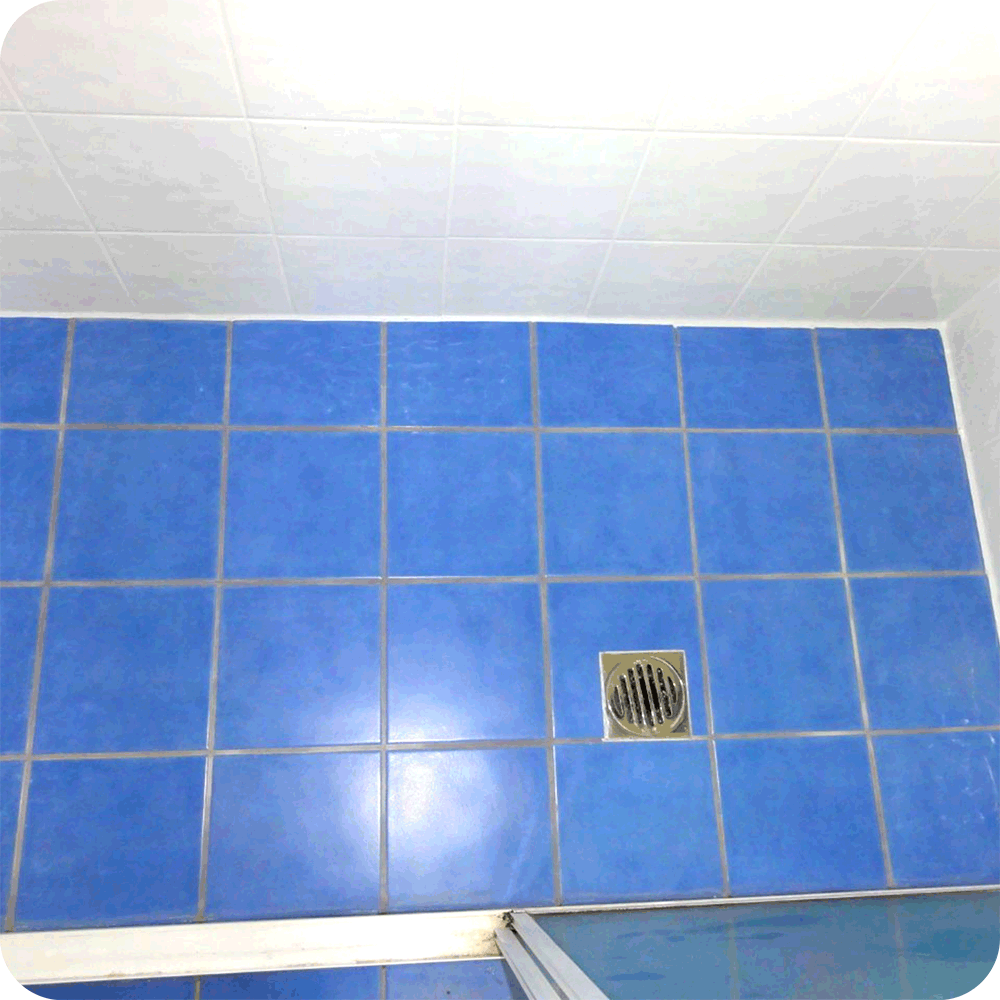
The process involves removing deteriorated grout and replacing it with a suitable new grout system, creating cleaner and more consistent grout lines throughout the shower.
At The Shower Repair Centre, we use epoxy grout rather than traditional cement-based grout. Epoxy grout offers excellent durability and resistance to moisture and staining, making it particularly well suited to wet environments such as showers.
If you’re interested in the differences, read our guide to cement-based grout vs epoxy grout.
Tip #2: Refinish Your Bathtub Instead of Replacing It
An aging bathtub can quickly make a bathroom look dated.
But if the bathtub is still structurally sound, completely removing and replacing it may be unnecessary especially if you’re preparing the property for sale rather than planning to live with the renovation for another decade.
Replacing a bath can involve much more than buying a new tub. Depending on the bathroom, removal can affect surrounding tiles, plumbing and waterproofing and may require additional trades and finishing work.
Bathtub refinishing or resurfacing may offer a more budget-friendly alternative.
Instead of removing the entire bathtub, the existing surface is restored to improve its appearance. This can be particularly useful for baths that have become stained, faded, scratched or generally tired-looking but remain in otherwise serviceable condition.
A clean, neutral finish can help the bathroom feel brighter and better maintained without overwhelming buyers with highly individual design choices.
Tip #3. Repair Cracked or Damaged Shower Tiles and Seals
Cracked tiles are another defect that can stand out during an inspection.
A small hairline crack might seem insignificant, particularly if the tile is still firmly attached. But the important question isn’t simply how the crack looks, it’s why it cracked and whether the surrounding shower remains watertight.
Movement, impact, deterioration around joints and problems beneath the tiled surface can all require different solutions. That’s why simply filling a visible crack without investigating the surrounding area may not address the underlying problem.
The same applies to silicone and other seals.
Internal corners, wall-to-floor junctions, shower-screen edges and areas around the waste are particularly important because they’re regularly exposed to water. When these seals deteriorate, crack or separate from the adjoining surface, they may provide a pathway for water to escape.
Before selling, inspect these areas closely. Look for gaps, lifting sealant, cracked tiles, loose tiles and any evidence that moisture is reaching areas outside the shower.
Where the problem remains at the joint or surface level, a shower may be suitable for regrouting, resealing or another surface repair without demolition. However, where water has already caused substantial damage to the substrate or structure behind the tiles, a more extensive repair may be required.
Tip # 4. Give Your Bathroom a New Shower Screen
The shower screen is one of the most visually prominent elements of many Australian bathrooms.
Old frames, cloudy glass, deteriorated seals and outdated designs can make the entire shower area feel older. If the rest of your shower is in good condition, replacing the screen can provide a noticeable visual refresh without undertaking a complete renovation.
A properly installed shower screen isn’t just about appearance either. Its job is to help contain water within the shower area and keep surrounding bathroom surfaces dry.
Before replacing a shower screen purely for appearance, inspect the seals and junctions around it.
Failed silicone or gaps around the shower can potentially allow water to escape. If you’re already seeing water outside the shower, dampness around adjoining walls or other signs of a leak, replacing the screen alone may not address the cause.
A shower can leak for several reasons, including deteriorated grout, failed silicone and problems at critical wall and floor junctions.
You May Not Need a Full Bathroom Renovation
Preparing your bathroom for sale doesn’t necessarily mean making everything brand new.
If the tiles, bathtub and other major fixtures are still serviceable, targeted repairs and improvements may be enough to give the bathroom a cleaner, fresher and better-maintained appearance.
The key is knowing the difference between something that’s simply showing its age and something that indicates an underlying shower problem.
At The Shower Repair Centre, we specialise in identifying and repairing common shower problems, including leaking showers and deteriorated grout. Our technicians can assess the shower and recommend an appropriate repair based on what’s actually causing the problem.
So before you start ripping out tiles ahead of your property sale, find out whether the shower can be repaired first.
If you have a shower repair project you’d like to discuss, contact The Shower Repair Centre or call 1300 888 806.
Frequently Asked Questions
-
Should I repair my shower before selling my home?
Yes, particularly if there are visible issues such as cracked grout, damaged tiles, failed silicone or signs of leaking. Addressing these problems can improve the bathroom’s presentation and help prevent minor defects from becoming bigger concerns during a buyer’s inspection.
-
Is it worth regrouting a shower before selling?
If the existing grout is cracked, stained, mouldy or deteriorating, regrouting can be a cost-effective way to refresh the shower without replacing otherwise serviceable tiles. However, if there are signs of an active leak, the cause should be properly assessed before regrouting.
-
Do I need to renovate my entire bathroom before selling?
Not necessarily. If the bathroom is generally in good condition, targeted improvements such as regrouting, resealing, repairing damaged tiles, refinishing a bathtub or replacing an ageing shower screen may improve its appearance without the cost and disruption of a complete renovation.
-
Can a cracked shower tile cause a leak?
A cracked tile doesn’t always mean your shower is leaking, but it shouldn’t be ignored. Cracks can be caused by impact, movement or problems beneath the tiled surface. If you also notice moisture outside the shower, damaged grout or deteriorated seals, it’s worth having the shower professionally assessed.
-
Can a leaking shower be repaired without removing the tiles?
In some cases, yes. Depending on the source of the leak and the condition of the shower, problems involving grout, silicone and critical shower junctions may be repairable without removing otherwise serviceable tiles. A professional assessment can determine whether a non-demolition repair is suitable or more extensive work is required.
About the Author:
Mark Studdert is the founder of The Shower Repair Centre, specialising in shower leak repairs, waterproofing, leak detection, and bathroom restoration. With over three decades of experience, he pioneered and patented the DiamoSmart® technology, helping save leaking bathrooms without tile removal in 95% of cases.