


Updated: May 6, 2026
Choosing the right grout for your shower can make a world of difference in its appearance, longevity, and maintenance. Grout holds tiles in place and acts as a protective barrier against moisture. With so many options available, it’s crucial to understand the differences between cement-based grout and epoxy grout. In this blog, we’ll break down their key features, advantages, and what makes each type of grout ideal for different applications. Let’s get started!
Basic Differences Between Cement-Based and Epoxy Grout
When selecting grout for your shower, understanding what each type offers is essential.
Cement-based grout is made from a mixture of cement, sand, and water. It is a traditional option and is widely used for tile installations. It’s easy to apply, and most DIYers can use it with minimal experience. However, it requires sealing after installation to prevent water penetration and staining.
On the other hand, epoxy grout is made from a resin and hardener, offering a stronger, more durable finish. Epoxy grout is water-resistant, stain-resistant, and typically requires less maintenance than cement-based grout. It’s commonly used in high-moisture areas, such as showers, as it’s less likely to absorb moisture.
Ease of Application
- Cement-Based Grout: Easier to apply and is ideal for DIY projects.
- Epoxy Grout: More challenging to apply, requires faster working time, and may need professional installation due to its thicker consistency and quicker curing time.
Longevity
- Cement-Based Grout: Typically lasts around 5–10 years, depending on maintenance and sealing.
- Epoxy Grout: Lasts up to 15 years without needing repairs or reapplication, making it a longer-lasting investment.
Sealing Requirement
- Cement-Based Grout: Needs to be sealed after installation to prevent moisture absorption and staining.
- Epoxy Grout: No sealing required. It’s naturally resistant to stains, moisture, and mold.
Suitability for Various Applications
Depending on where you plan to use your grout, one type may be more suitable than the other.
| Application | Cement-Based Grout | Epoxy Grout |
| Best for Bathrooms and Showers | Requires additional sealing and maintenance to prevent water absorption and mold growth. | Ideal for bathrooms, especially showers, due to its resistance to moisture, mold, and mildew in high-humidity areas. |
| High-Traffic Areas like Kitchens or Hallways | Works well for floors in high-traffic areas but needs regular maintenance. | Suitable for high-traffic areas, offering better durability and easier cleaning. |
| Outdoor or Wet Environments | Not ideal for outdoor use as it’s more susceptible to damage from weather and moisture. | Perfect for outdoor installations or areas exposed to moisture, such as pools or wet rooms. |
| Stain and Discoloration Resistance | Prone to discoloration and staining, especially in areas exposed to water and soap buildup. | Highly resistant to stains and discoloration, retains its color over time and is easy to clean. |
Cost, Durability, and Maintenance
Understanding the financial and long-term upkeep costs is a key factor when choosing between cement-based and epoxy grout.
| Feature | Cement-Based Grout | Epoxy Grout |
| Cost | Generally cheaper both in material and labor costs. | More expensive due to higher material costs and labor-intensive application. However, lasts longer and saves money in the long run. |
| Bond Strength | Holds tiles in place but is less durable, prone to cracking under stress or heavy moisture exposure. | Forms a stronger bond, more reliable for heavy-duty applications like floors and showers. |
| Curing Time | Takes 24 to 48 hours to cure fully, requiring a longer wait time before use. | Cures faster, typically within 4 to 6 hours, allowing quicker use of the area. |
| Cleaning and Maintenance | Requires regular cleaning and resealing to maintain its appearance and functionality. | Requires less maintenance, is naturally resistant to mold, mildew, and stains, and doesn’t need resealing. |
Which Grout Is Best for Radiant Floor Heating?
If you’re installing radiant floor heating, epoxy grout is your best option. Its durability and resistance to cracking under heat fluctuations make it ideal for heated floors. Cement-based grout, however, may crack over time when exposed to the constant heat cycles of radiant flooring.
Conclusion: Why Choose The Shower Repair Centre
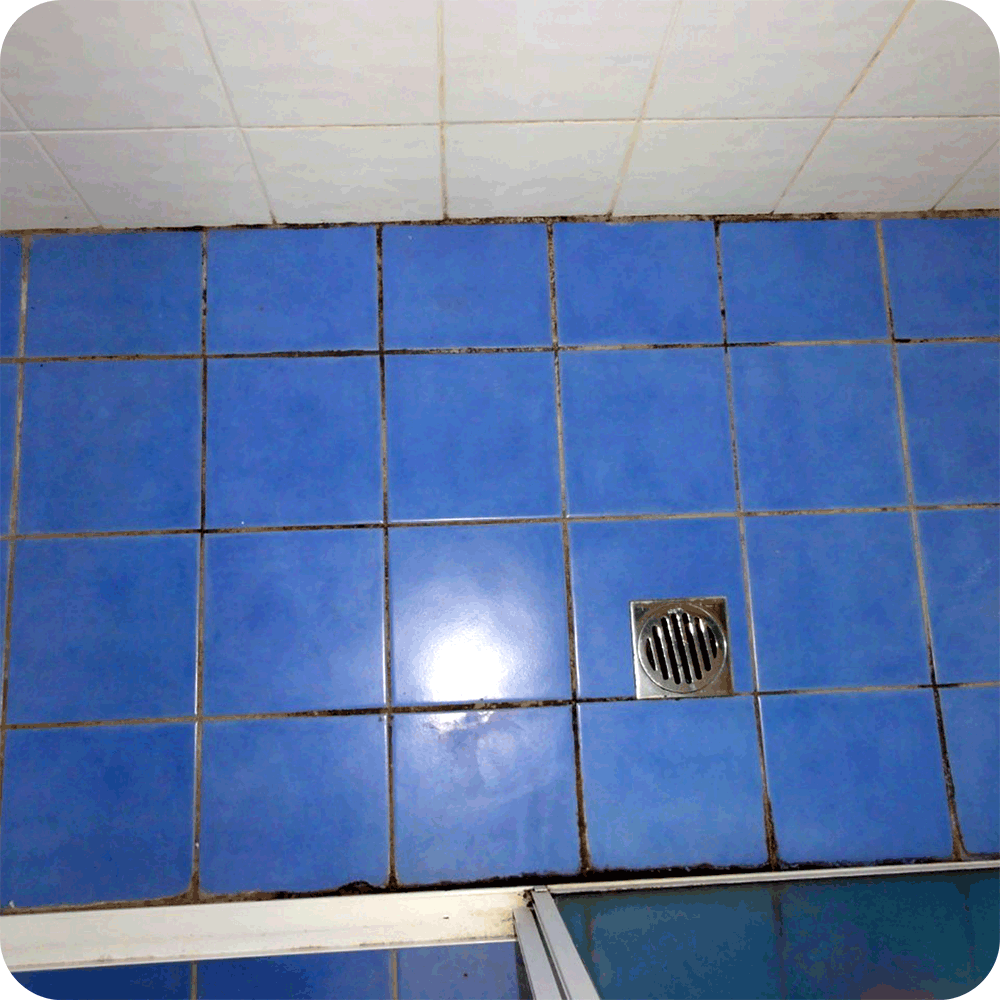
Cement-based grout is actually the weakest link in tile installation because of its many drawbacks, with the major one being its porous nature. Its pores allow dirt and other outside elements to find their way into the grout, causing staining and allowing mold and grime to embed themselves in the grout. A far better option is using epoxy grout, which is strong, durable, and requires light maintenance. While it costs more than cement-based grout, it lasts much longer, negating the price difference.
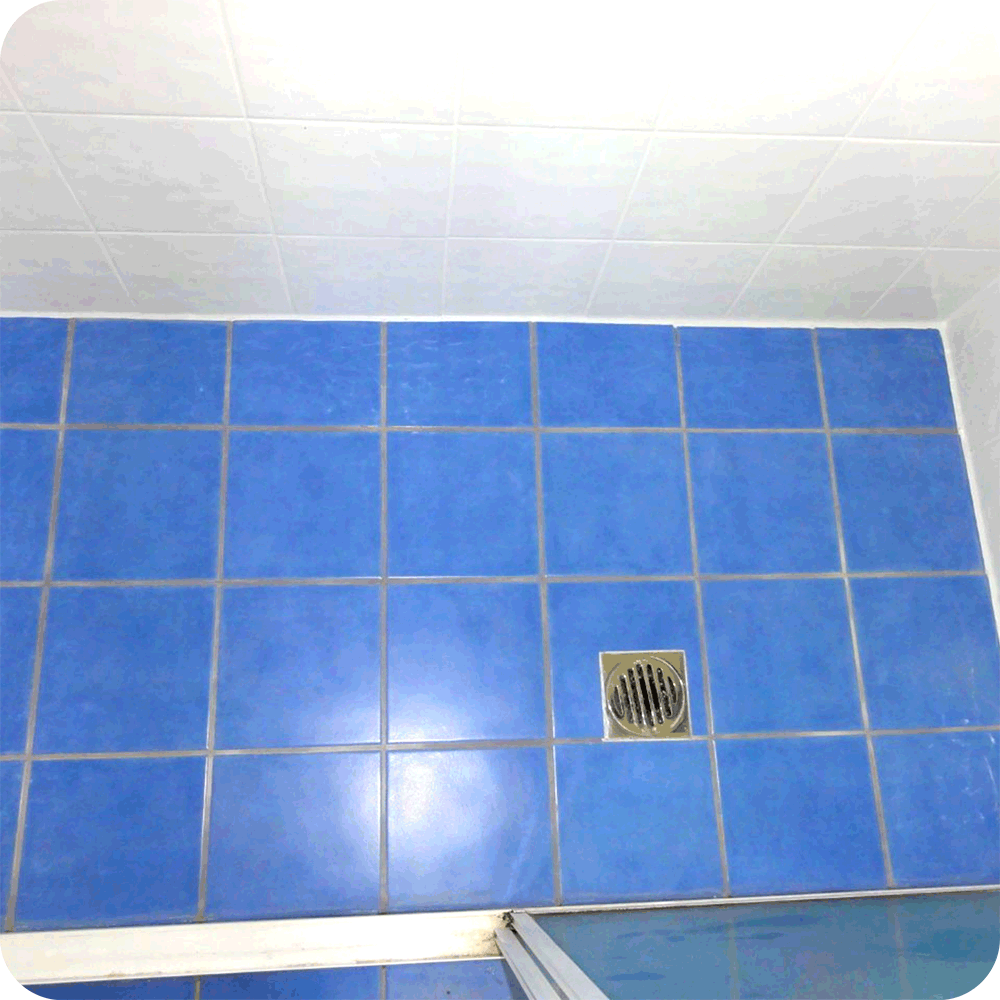
At The Shower Repair Centre, we offer a Diamond Re-Grout Service where we strip off existing grout and replace it with premium epoxy grout. This superior option is more resistant to stains, cracks, harsh weather conditions, chemicals, and climate changes than traditional grout. It’s perfect for areas with high traffic, and since it’s waterproof, it improves not only the bathroom’s aesthetics but also its functionality.
If you have a project you’d like to discuss, just contact us or call 1300 888 806. Let us help you enhance your bathroom with the best grout solution available.
FAQ
Is epoxy grout harder to apply than cement-based grout?
Yes, epoxy grout is harder to apply than cement-based grout. It is thicker, cures faster, and requires quicker application. While cement-based grout is easier for DIY use, epoxy grout offers better long-term durability and moisture resistance.
How long does epoxy grout last compared to cement-based grout?
Epoxy grout lasts longer than cement-based grout, often 10–15 years or more without cracking or staining. Cement-based grout is more prone to discoloration and moisture damage, and usually needs re-sealing every few years.
Does epoxy grout require sealing like cement-based grout?
No, epoxy grout does not require sealing because it is naturally water-resistant and stain-resistant. Cement-based grout is porous and must be sealed to help prevent mold, stains, and water damage over time.
About the Author:
Mark Studdert is the founder of The Shower Repair Centre, specialising in shower leak repairs, waterproofing, leak detection, and bathroom restoration. With over three decades of experience, he pioneered and patented the DiamoSmart® technology, helping save leaking bathrooms without tile removal in 95% of cases.