


Author: Mark Studdert, Founder, The Shower Repair Centre
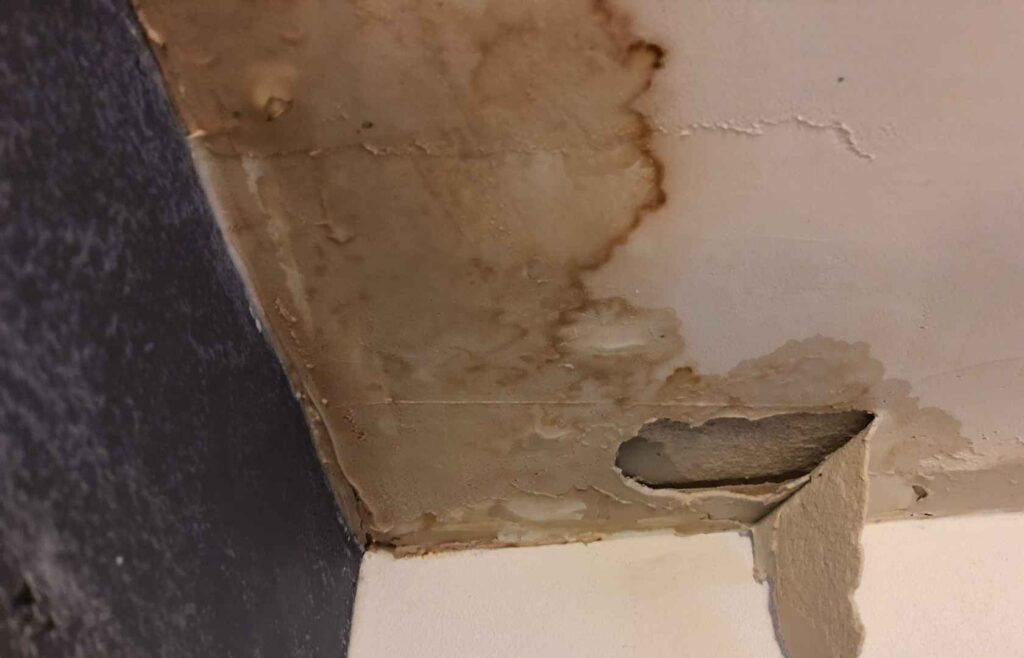
Winter doesn’t usually cause a shower to start leaking. But it does make existing problems harder to ignore. Closed windows and doors cut off airflow, warm steam meets cold surfaces and condenses, and building materials take longer to dry out. A small waterproofing defect, a failed silicone seal, or deteriorated grout can quietly turn into damp walls, mould, damaged flooring, and water stains in the apartment below.
This guide sets out five practical steps for responding when a shower leak is reported, along with the responsibility, timing, and insurance issues that shape each one. Strata responsibilities vary by state, registered strata plan, by-laws, and renovation history, so treat this as general guidance rather than legal or insurance advice
Why This Matters: The Cost of Getting It Wrong
The numbers make the case for acting early. NSW strata mediation applications involving water leaks, delayed repairs, and compensation claims have reportedly climbed 45% over five years. Just over half of residential strata insurance claims stem from water damage according to CHU’s internal claims data, and Strata Community Insurance has reported paying out more than $50 million in water-damage claims over three years. Across Australia and New Zealand, water-damage claims totalled $362 million between 2016 and 2020, according to Strata Community Association industry research.
Shower failures are a major contributor, reportedly involved in over 40% of residential water-damage claims, with repair costs ranging from $15,000 to $50,000 once damage becomes extensive (see our complete guide to shower maintenance in Australia for more on early-detection savings). Even fixing a leak that’s affected the apartment below can run $3,000 to $15,000 or more in Sydney, depending on cause and access. Once water reaches subflooring, framing, or the ceiling below, the job can pull in waterproofing contractors, tilers, plumbers, carpenters, plasterers, and mould specialists all at once.
With that scale of exposure, here’s what should happen the moment a leak is reported.
1. Record and Contain the Issue First
Before anything else, document what’s happening: when the leak appears, where it’s located, and photo or video evidence of the damage. Ask the resident to limit or stop using the shower where practical. This alone can slow the damage while the rest of the process plays out.
2. Inspect Broadly and Notify Everyone Who Needs to Know
Don’t stop at the bathroom. Check adjoining rooms and the apartment below for signs of water damage. Notify the owner, tenant, strata committee, building manager, and insurer as appropriate. A leak reported to just one party tends to stall, getting the right people looped in early keeps the process moving.
3. Bring in a Professional to Find the Real Source
Engage a qualified specialist to identify what’s actually failed, which components are affected, what containment is needed now, and what the recommended repair looks like. This step matters because assumptions about responsibility can be wrong until the source is confirmed.
4. Work Out Responsibility Before Committing to Repairs
This is often the most complicated step, and it depends heavily on jurisdiction and history.
In NSW, the owners corporation generally maintains common property, while lot owners are typically responsible for fixtures within their lot, things like taps, flexible hoses, shower screens, silicone, grout, tiles, and pipes serving only their unit. The owners corporation is more likely to be responsible for common-property pipes, structural elements, original waterproofing membranes, concrete slabs, and shared services (see PBL Law’s detailed breakdown of water-ingress responsibilities in NSW strata properties for the full picture). Queensland can work differently again; responsibility may hinge on whether the property uses a building format or standard format plan, and in some cases the lot owner is responsible for the shower tray even if it’s technically outside the lot.
Past renovations complicate things further: if an owner previously renovated the bathroom, approval conditions or a renovation by-law may put them on the hook for maintaining the altered waterproofing or tiles. This isn’t a minor edge case. A 2023 Building Commission NSW strata defects survey found waterproofing was the most common serious defect category, showing up in 42% of surveyed strata buildings with serious defects.
The safest approach: identify the source first, rather than assuming upfront whether it’s an owner or strata cost.
On insurance, don’t assume it will simply cover the claim. Strata insurance generally responds to sudden, accidental events, and while it may cover damage that results from an escape of water, it commonly excludes wear and tear, gradual deterioration, poor maintenance, defective grout or silicone, failed waterproofing, and the cost of repairing whatever actually failed.
Strata Insurance Solutions explains that insurers generally cover the resulting damage (say, a damaged ceiling) while excluding the cost of finding and fixing the cause (deteriorated silicone or an aged membrane), since that’s treated as a maintenance responsibility. At this stage:
- Review the current policy and PDS
- Notify the insurer or broker early
- Document damage before materials are removed
- Keep photos, invoices, reports, and communications
- Separate cause-repair costs from resulting-damage costs
- Avoid promising residents the claim will be covered
- Confirm the applicable excess
A known leak left to continue can also work against a claim; insurers may reduce or decline cover if delay or poor maintenance made the damage worse.
5. Fix the Source, Then Repair and Communicate
Fix what’s actually causing the leak before repairing the cosmetic damage around it. Complete drying and mould treatment properly, and keep everyone — owner, tenant, committee — updated as the process unfolds. Skipping straight to cosmetic repairs without addressing the source is how the same leak reappears a few months later.
How Urgently Should You Move?
There’s no single timeframe that fits every leak, but the response should match the risk. Treat these as same-day triage situations:
- Water actively entering another apartment
- A sagging or saturated ceiling
- Water near electrical fittings
- A bathroom that can’t be used safely
- Extensive mould or a strong damp odour
- A vulnerable occupant affected
- Continued use likely to worsen the damage
Less urgent reports still need an inspection scheduled promptly, with a clear next step communicated to the resident. The stakes of delay are real. NSW Fair Trading reported that 22% of the more than 500 strata complaints it received in 2024 related to repairs and maintenance including plumbing and water leaks, and common-property repairs made up more than a third of strata mediation applications in 2023–2024. Delay tends to compound. More damage, higher restoration costs, mould, resident complaints, insurance complications, and in some cases tribunal proceedings.
The Bottom Line
A leaking shower rarely resolves itself. The longer water sits in walls, floors, or moves into the apartment below, the more expensive and disputed the outcome becomes. Acting quickly, documenting everything, restricting use where needed, getting a professional assessment, and confirming responsibility before approving final repairs are the moves that keep a shower leak from becoming a much bigger problem. For a closer look at how quickly costs escalate once a leak is ignored, see The True Cost of Ignoring a Leaking Shower During Winter.
The Shower Repair Centre works with strata managers, property managers, owners corporations, and body corporates across NSW and Queensland to repair leaking showers with minimal disruption. In many cases, our DiamoSmart® and SealRight™ systems allow us to repair the leak without removing tiles or undertaking a full bathroom renovation reducing downtime and avoiding unnecessary demolition. SealRight™ repairs come with a 25-year product warranty.
If a leaking shower has been reported, call 1300 888 806 or fill out our form to arrange an assessment before the damage spreads.
Frequently Asked Questions
1. Who is responsible for a leaking shower in a strata property?
Responsibility depends on the source of the leak, the strata plan and relevant by-laws. A professional inspection should be completed before deciding whether the lot owner or owners corporation is responsible.
2. Is a leaking shower considered an urgent repair?
It can be urgent if water is entering another apartment, affecting electrical fittings or causing a ceiling to sag. Even minor leaks should be assessed promptly to prevent further damage.
3. Can a leaking shower be repaired without removing the tiles?
In many cases, yes, depending on the source and condition of the shower. A specialist can assess whether a no-tile-removal repair is suitable.
4. Does strata insurance cover damage caused by a leaking shower?
Strata insurance may cover some resulting building damage, but it may not cover the cost of repairing the original leak. Coverage depends on the policy terms, cause of the damage and any exclusions.
5. What should a strata manager do when a shower leak is reported?
Document the issue, ask the resident to limit shower use and arrange a professional inspection. The manager should also check adjoining areas and notify the relevant owners, committee members and insurer where required.
About the Author:
Mark Studdert is the founder of The Shower Repair Centre, specialising in shower leak repairs, waterproofing, leak detection, and bathroom restoration. With over three decades of experience, he pioneered and patented the DiamoSmart® technology, helping save leaking bathrooms without tile removal in 95% of cases.