


The Complete Guide to Shower Maintenance in Australia

Share this:

Shower maintenance isn’t something most people get excited about. But if you’re a property manager, strata manager, or homeowner, you already know it’s one of those “boring but essential” jobs that can make or break the long-term health of your property. 

Here’s the reality: water damage from failed shower waterproofing is one of the biggest culprits behind residential insurance claims in Australia. Industry data suggests that more than 40% of all residential water damage claims stem from shower failures. Even more sobering, the average cost of repairs ranges from $15,000 to $50,000 per incident. That’s not the kind of bill anyone wants landing on their desk.

This comprehensive guide is designed to give you everything you need to know about shower care, from spotting early warning signs to understanding repair solutions, preventative maintenance strategies, and the latest waterproofing technology. Whether you manage a multi-unit strata building or simply want peace of mind at home, you’ll find practical insights here to protect your property from one of the most common and costly problems in Australian bathrooms.

Why Shower Maintenance Matters More Than You Think

Most water damage isn’t dramatic. You won’t see water pouring through the ceiling like a scene from a disaster movie. Instead, it creeps behind tiles, beneath shower bases, and into wall cavities. By the time you notice paint peeling or tiles loosening, significant damage may already be underway.

For property managers and strata committees, failed shower waterproofing creates cascading problems:

  • Insurance complications: Many policies exclude damage from “gradual deterioration,” making prevention crucial. 
  • Tenant relations: Water leaks into neighbouring units create disputes and potential legal liability
  • Emergency repair costs: After-hours plumbing and restoration services can cost 2-3 times standard rates
  • Lost rental income: Units may be uninhabitable during extensive repairs, affecting cash flow

For homeowners, the stakes are equally high:

  • Property value impact: Visible water damage can reduce home value by 10-15%
  • Health concerns: Mould growth from moisture creates respiratory health risks
  • Lifestyle disruption: Major shower repairs often require temporary relocation

Strata managers know the extra challenge: when one unit’s shower leaks into another, the dispute over who pays can become as stressful as the repair bill itself. And if emergency repairs are needed, they often cost two to three times more than standard work, adding financial insult to injury.

Homeowners aren’t immune either. Water damage has been shown to reduce property values by up to 15%. On top of that, mould growth from constant dampness can cause serious health issues, particularly for children, the elderly, and anyone with respiratory conditions. And let’s not forget the disruption. Major shower rebuilds can make a bathroom unusable for weeks, forcing families into temporary setups that are less than convenient.

In short, showers are a small space with the potential for big consequences.

Early Warning Signs You Should Never Ignore
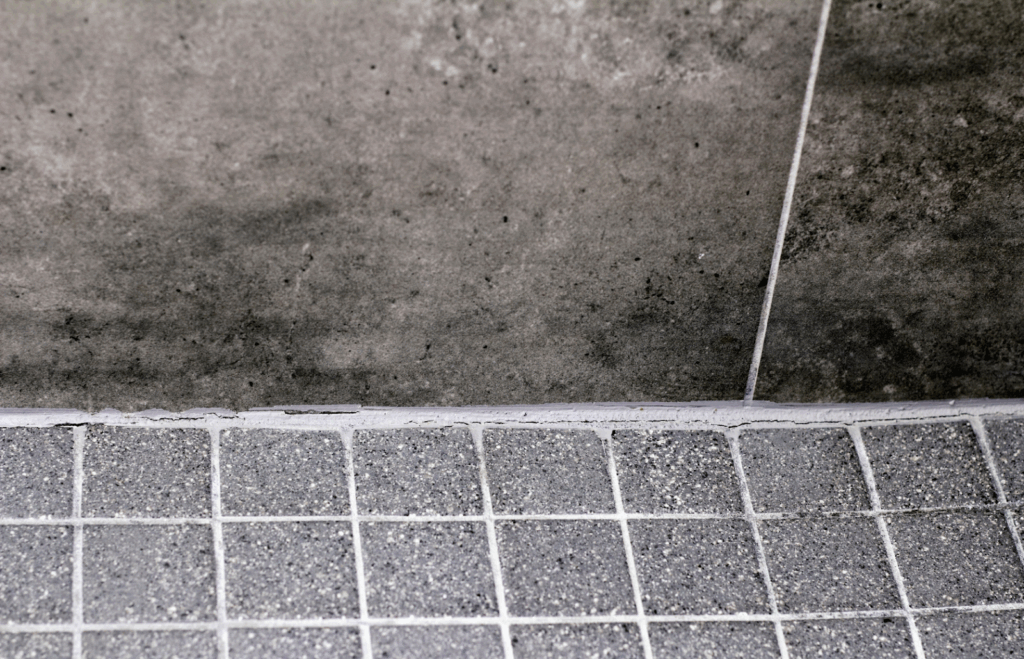
image 1

The good news is that showers rarely fail without sending up some distress signals. The challenge is learning to recognise them before they evolve into full-blown disasters. Here are some of the signs that you should never ignore: 

Immediate Action Required

If you’re noticing loose tiles or a hollow sound when you tap them, it could be a sign that the waterproofing membrane underneath has failed. It’s a common issue that often goes unnoticed until it’s too late. Similarly, cracks in grout lines and separation between the shower base and walls are clear indications that water could be making its way behind the tiles and causing damage to your walls and subfloor. If the floor around the shower feels spongy or soft, it’s often a result of water making its way into the subfloor, potentially leading to costly repairs.

Keep an eye on stains on walls or ceilings in adjacent rooms, as this usually points to active leaks. If the bathroom starts smelling musty, it’s often the first sign that moisture has been hiding somewhere, possibly out of sight. Peeling paint or wallpaper near the shower can also signal that water is migrating through the walls, creating potential structural issues. And, if you notice chalky white deposits forming on tiles or grout, it’s a sign that water has been moving through, leaving behind mineral deposits. These are all signs that it’s time to take action and get a professional to assess the situation before it turns into something more serious.

Developing Issues Requiring Attention

If you’re noticing slow drainage in the shower, it might not just be a clogged drain. It could be a sign of blockages or even structural settling affecting the plumbing. Similarly, soap scum that seems to return no matter how often you clean is another red flag, often pointing to surface damage that’s making it harder to keep things spotless. If grout discolouration doesn’t respond to cleaning, it could be a sign of moisture or mould embedded deep within the grout, which needs professional attention.

When it comes to maintenance indicators, if you notice worn or damaged sealant around fixtures, it’s more than just an aesthetic issue—those gaps could be allowing water to sneak in and cause problems. Calcium buildup on showerheads or taps is a common issue in homes with hard water, and it can affect your water pressure and plumbing efficiency. If you spot rust stains around metal fixtures, it could indicate that moisture is consistently present, leading to oxidation. These signs may seem minor, but catching them early can save you from bigger headaches down the road.

Long-term Monitoring Points

And then there are maintenance red flags: sealant pulling away from fixtures, calcium buildup on taps and showerheads, or rust marks around metal fittings. They might look minor, but they’re often early-stage indicators of bigger problems.

Regular inspection of these areas helps catch problems early:

  • Grout condition: Should remain consistent in colour and texture
  • Sealant integrity: Check quarterly around all penetrations and joints
  • Drainage efficiency: Water should clear within 2-3 minutes after use
  • Ventilation effectiveness: Surfaces should dry completely within 2-4 hours

How Early Detection Prevents Large-Scale Damage

There’s a saying in property maintenance: small leaks sink big budgets. Acting on early warning signs is always cheaper and easier than waiting until structural issues appear.

In Australia, the cost of regrouting a shower can be as little as $200 to $500, depending on the size and complexity of the job. Compare that with structural repairs from water damage, which regularly run into tens of thousands of dollars. According to Archicentre Australia, once water seeps into subflooring or framing, repair costs can easily exceed $30,000.

Catching leaks early doesn’t just protect your wallet. It helps protect your health by stopping mould before it spreads. It conserves water, too. Unnoticed leaks can waste hundreds of litres per day. In a country like Australia, where water scarcity is an ongoing issue, that’s no small matter.

Modern leak detection technology makes early intervention even easier. Thermal imaging cameras, acoustic sensors, and moisture meters can identify hidden leaks with around 90% accuracy. By using these tools, shower repair technicians can pinpoint the problem without invasive guesswork, saving time and avoiding unnecessary tile removal.

Understanding Water Damage Risks: The Science Behind Shower Failures

Water damage might seem random, but in reality, it follows a predictable pattern. Understanding these stages can help property owners and managers know when to act.

Stage 1: Surface Penetration (Weeks 1-4)

In the first stage, water sneaks in through compromised grout, cracked tiles, or failed sealant. The damage isn’t visible yet—it’s happening quietly behind the finished surfaces. Left unchecked, it progresses to the second stage, where the waterproofing membrane itself begins to degrade. Once this critical barrier fails, water starts reaching structural elements.

Stage 2: Membrane Compromise (Months 1-6) 

Continued water exposure begins to degrade the waterproof membrane beneath tiles. This critical barrier failure allows water to reach structural elements. Property managers should note that this stage often coincides with tenant complaints about adjacent wall dampness or paint issues.

Stage 3: Structural Impact (Months 6-18)

Stage three is where things get expensive. Timber framing rots, steel corrodes, and concrete develops cracks or “cancer” from moisture exposure. At this point, repairs usually involve major reconstruction. 

Stage 4: Secondary Damage (12+ months) 

The final stage brings secondary damage like mould infestations, electrical hazards, and water spread into adjoining rooms or neighbouring units in strata complexes.

Several factors accelerate this progression. Poor building design, like insufficient drainage fall or inadequate ventilation, can make showers more vulnerable. Bathrooms in high-use properties, such as hotels or rental apartments, wear down faster simply from frequency of use. Hard water, common in parts of Australia, leaves mineral deposits that eat away at grout and sealants. And of course, neglected maintenance. Delaying small fixes or using harsh cleaning products only speeds up the process.

For strata managers and landlords, insurance and liability become critical considerations. Strata insurance often covers structural damage to common property but may exclude gradual deterioration. Landlords are responsible for maintaining structural waterproofing, while tenants are typically expected to maintain cleanliness. Documentation of inspections and repairs is essential to support claims if disputes arise.

Common Shower Repair Solutions in Australian Homes

When a shower starts leaking or showing visible damage, the big question becomes: repair or replace?

Tile Repair: Regrouting, Replacement, and Crack Fixes

  • Regrouting: Removing old, deteriorated grout and applying fresh grout to restore the waterproof barrier.
  • Tile Replacement: Damaged tiles are carefully lifted and swapped with new ones without disrupting surrounding finishes.
  • Crack Fixes: Hairline cracks in tiles may seem harmless, but often allow water infiltration. Repairs can involve epoxy sealing or tile replacement, depending on severity.

Tiles are often the first area needing attention. Regrouting restores the waterproof barrier, while damaged tiles can usually be replaced individually without disrupting the entire wall. Hairline cracks can often be sealed with epoxy rather than removing the tile altogether. Addressing these issues early stops water from spreading into the subfloor or wall cavities.

Base Repair: Epoxy Coatings and Structural Replacement

The shower base (or tray) is often the culprit when leaks become persistent.

  • Epoxy Coatings: Modern epoxy-based seals provide a durable, watertight barrier without removing the base. This is especially effective in strata units or apartments where demolition is disruptive.
  • Structural Replacement: In severe cases, the shower base may have shifted, cracked, or deteriorated beyond repair. This requires removal and replacement, ensuring compliance with today’s Australian waterproofing standards.

Sometimes an epoxy coating is enough to restore waterproofing, particularly in apartments where demolition would be highly disruptive. But if the base has cracked or shifted, structural replacement may be the only reliable option.

Silicone vs Epoxy for Hairline Cracks

Then there’s the question of what material to use for repairs. Many people assume silicone is the answer to everything, but while it works well as a flexible sealant around edges, it’s not the best choice for cracks. Epoxy, by contrast, creates a rigid, long-lasting seal that holds up far better under constant water exposure. Using the right material in the right place can mean the difference between a temporary patch-up and a permanent solution.

  • Silicone: Flexible, affordable, but generally short-term.
  • Epoxy: Strong, long-lasting, and forms a true waterproof seal.

Of course, there are times when repairs simply won’t cut it. If leaks persist despite repeated attempts, if there’s widespread tile damage, or if the waterproofing is outdated and non-compliant, full replacement is the only path forward. It’s a bigger upfront investment, but it prevents endless cycles of smaller repairs.

Repair Without Tile Removal—A Game Changer

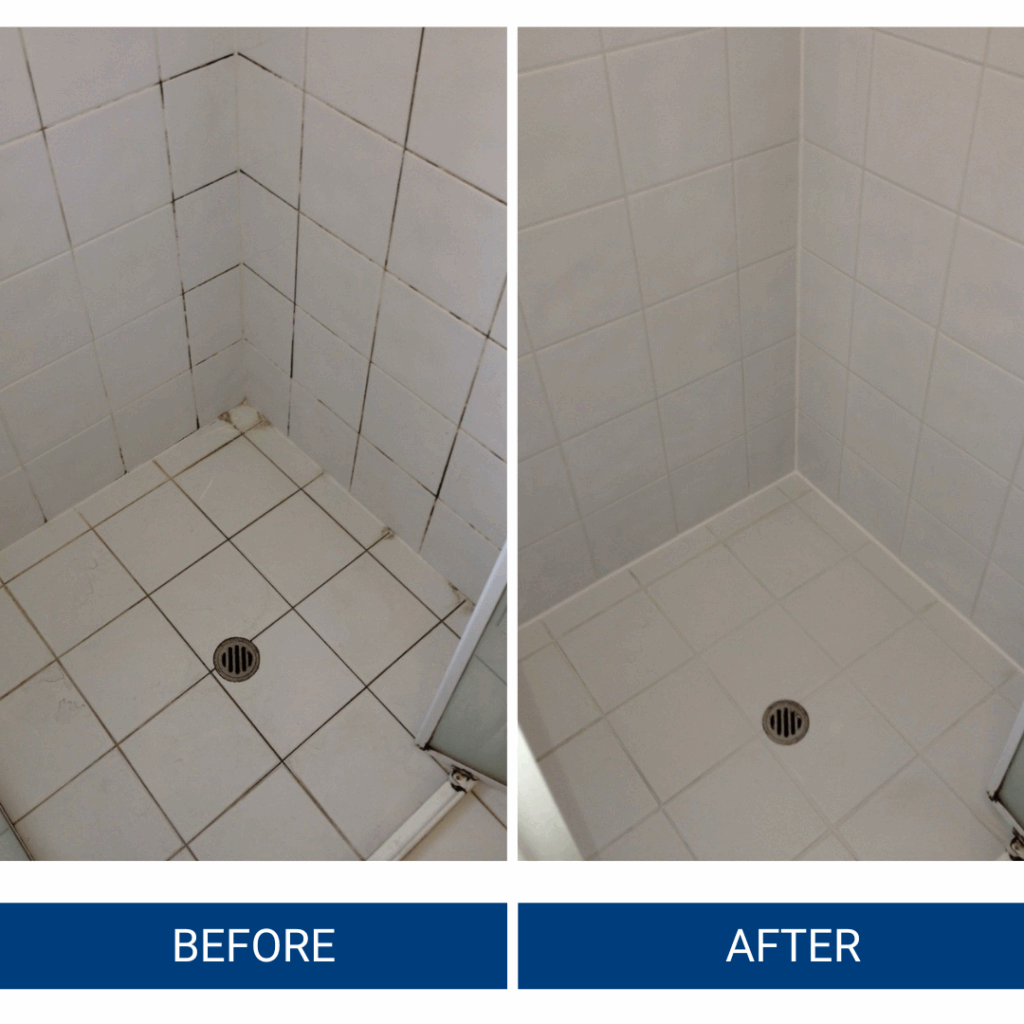
One of the most common misconceptions is that fixing a leaking shower always requires ripping out tiles. In reality, 95% of the showers can be repaired without removing a single tile, thanks to modern sealing technologies. 

The Shower Repair Centre’s DiamoSmart System® and patented SealRight™ epoxy seal allow technicians to repair showers quickly and effectively without demolition. This approach is faster, less disruptive, and more affordable, making it ideal for strata buildings where downtime needs to be minimised, as well as hotels or commercial properties that can’t afford lengthy disruptions.

With over 85,000 successful repairs completed across Greater Sydney, the Gold Coast, Brisbane, and the Northern Rivers, The Shower Repair Centre has seen firsthand how effective this method can be. Backed by a 25-year SealRight™ Product Warranty, it provides property owners with the peace of mind that their investment is protected.
image

Advanced Waterproofing: Technology and Innovation

Waterproofing has come a long way from the days of cement and silicone. Today’s systems use smart materials designed to adapt to building movement and environmental changes.

The DiamoSmart System® incorporates self-healing properties, meaning micro-cracks seal themselves when exposed to moisture. It also offers flexible bonding that accommodates structural movement without failure, extended warranty coverage for up to 15 years, and a faster installation process that reduces renovation timelines by almost half.

Meanwhile, SealRight™ Technology focuses on the points where most shower failures begin—the junctions between walls, floors, and plumbing fixtures. Its molecular-level adhesion creates a permanent bond, resistant to cleaning chemicals, mineral deposits, and temperature extremes. By targeting these high-risk zones, SealRight™ eliminates the majority of common failure points and reduces maintenance requirements for more than a decade.

For strata and commercial properties, these advanced systems aren’t just technical upgrades. They represent long-term savings, reduced maintenance cycles, and better compliance with insurance and regulatory standards.

Preventative Maintenance Tips

The smartest approach to shower maintenance is prevention. Seasonal checks are especially important in Australia, where hot summers and cold winters cause tiles and seals to expand and contract. Inspecting for cracks or brittle silicone before the seasons change can stop minor issues from becoming major repairs.

For multi-unit and strata properties, regular inspections every six to twelve months are critical. A single leaking shower in one apartment can quickly spread damage to others, sparking disputes and costly repair projects. Proactive inspections help managers catch problems before they escalate.

Simple daily upkeep goes a long way too. Keeping drains clear, wiping down tiles and glass to reduce soap scum, and resealing when needed all extend the lifespan of grout and seals. Pairing these practices with scheduled professional maintenance, such as regrouting or epoxy treatments, ensures compliance with waterproofing standards and keeps showers looking and performing their best.

Conclusion: Protecting Showers, Protecting Investments

Showers may not be the first thing you think about when protecting your property investment, but they should be near the top of the list. Left unchecked, shower leaks can cause significant structural damage, lower property values, and create disputes no one wants to deal with. But with early detection, modern repair solutions, and preventative maintenance, you can keep showers performing well for decades.

At The Shower Repair Centre, we’ve spent 27 years helping homeowners, strata committees, and property managers safeguard their properties. Whether it’s a quick regrout, a no-tile removal repair, or a full rebuild, our patented technologies and industry-leading warranties provide long-term peace of mind.

Don’t wait for small leaks to become major problems. Contact us today for a free assessment and protect your property investment for years to come.

About the Author: 

Mark Studdert is the founder of The Shower Repair Centre, specialising in shower leak repairs, waterproofing, leak detection, and bathroom restoration. With over three decades of experience, he pioneered and patented the DiamoSmart® technology, helping save leaking bathrooms without tile removal in 95% of cases. 

Recommended Articles:
The Shower Repair Centre named a 2026 finalist in the Bathroom & Kitchen Renovation category at two Australian Small Business Champion Awards.

Finalist in Two 2026 Australian Small Business Champion Awards

The Shower Repair Centre is proud to have been named a finalist in the Bathroom & Kitchen Renovation category across two national awards programs in 2026: This double recognition continues SRC’s strong history in the Champion Awards and reflects the dedication of our entire team. What Are the Australian Trades Small Business Champion Awards? The Australian Trades Small Business Champion Awards recognise outstanding Australian trade businesses and the people behind them. The program covers a broad range of trade industries, including building, plumbing, and specialist bathroom and kitchen services. It celebrates businesses that demonstrate strong workmanship, customer service, innovation, and sound business practices. Being selected as a finalist in the Bathroom & Kitchen Renovation category recognises The Shower Repair Centre’s specialist approach to leaking shower repairs, waterproofing and wet-area restoration. What Are the Australian Small Business Champion Awards? Established in 1999, the Australian Small Business Champion Awards recognise the achievements and contributions of small businesses across Australia. The awards cover businesses across service, retail, and manufacturing industries. They recognise not only the quality of the services a business provides, but also its performance, growth, community contribution and long-term vision. SRC’s selection in both programs recognises the company from two perspectives: as a specialist Australian trade provider and as an established family-owned small business. How Are the Award Entries Judged? Entrants are required to submit detailed written responses and supporting evidence explaining their business journey, achievements, and approach to operating their company. Depending on the program and category, judges may consider: Entries are reviewed by a judging panel, with finalists selected from eligible businesses across Australia. Being shortlisted means the business and its supporting evidence have progressed through a competitive national assessment process. More Than 100,000 Successful Repairs Since 1998, The Shower Repair Centre has completed more than 100,000 successful repairs, earning the trust of homeowners, strata and property managers, builders, plumbers, hotels and hospitals. In approximately 95% of suitable cases, our team can repair a leaking shower without removing tiles. This helps customers avoid the cost, mess, and extended disruption associated with unnecessary demolition and complete bathroom renovation. A Consistent Record of National Recognition Another significant milestone has been SRC’s consistent recognition at a national and industry level. The Shower Repair Centre has become one of the most awarded businesses in its category, reflecting sustained performance rather than short-term growth. In 2025, SRC won the Business Excellence Awards and was also named a finalist across five respected awards programs: Being named a finalist in the same category across two national awards programs in 2026 adds another proud achievement to this growing record of industry recognition. We sincerely thank our technicians, support team, customers, and industry partners for their continued trust and support. For assistance with a leaking shower, waterproofing problem or wet-area repair, request a free quote online or call 1300 888 806.

Read More »
Modern tiled bathroom with glass shower screen, bathtub and vanity, highlighting shower waterproofing and wet area protection.

How Long Does Shower Waterproofing Last?

Author: Mark Studdert Shower waterproofing in Australian-style bathrooms typically lasts 10–25+ years, with high-quality systems often going well beyond 20 years if installed correctly and maintained. Many contractors and insurers also use 10-year product or workmanship warranties as a benchmark, but this does not mean the waterproofing “expires” exactly at that point. Like every material in your home, waterproofing is not permanent. It ages through a combination of thermal expansion and contraction, constant moisture exposure, soap and chemical residues, building movement, and general wear over time. When these forces start to break down the waterproofing system, you may notice cracked grout, peeling silicone, loose tiles, mould growth, damp smells, bubbling paint, or water stains near the shower area. In this blog, we’ll explain how long shower waterproofing usually lasts, the different waterproofing products used in Australian bathrooms, and how The Shower Repair Centre waterproofs leaking bathrooms without removing tiles in most cases. How Long Do Different Waterproofing Systems Last? In Australia, waterproofing requirements for wet areas are guided by the National Construction Code and Australian waterproofing standards. The Victorian Building Authority notes that shower areas must be waterproofed under NCC requirements, while AS 3740:2021 sets out waterproofing requirements for domestic wet areas such as bathrooms, showers, laundries, and kitchens.  However, not all waterproofing products work the same way or last the same amount of time. 1. Liquid-Applied Remedial Membranes Liquid-applied remedial membranes are clear or tinted coatings applied over existing tiles and grout. These are often used when a shower needs to be re-sealed without removing tiles. They can be useful for surface-level leaks, minor grout issues, or tired shower areas where the tiles are still structurally sound. Typical lifespan: Around 5–10+ years, depending on the product, preparation, use, and maintenance. Best for: Minor surface leaks and shower areas where the underlying structure is still in good condition. Limitations: They may not be suitable if the underlying membrane has completely failed or there is major movement behind the tiles. 2. Penetrative Grout and Tile Sealers Penetrative sealers soak into porous grout and tiles rather than forming a thick coating over the surface. They are often used to reduce water absorption in grout lines, natural stone, or porous tile surfaces. Typical lifespan: Around 1–5 years, depending on product quality and cleaning habits. Best for: Hairline grout issues, porous grout, and preventative maintenance. Limitations: They do not fix failed waterproofing membranes or structural movement. 3. Epoxy-Based Repairs and Grout Systems Epoxy grout is harder and less porous than traditional cement-based grout. It is often used when old grout has failed or where extra water resistance is needed. Typical lifespan: 10+ years when installed correctly. Best for: Repointing damaged grout lines and improving water resistance. Limitations: Epoxy is rigid, so it should be used carefully in areas that experience movement. Flexible sealants are still important around joints, corners, and wall-to-floor junctions. 4. Flexible Sealants and Joint Repairs Flexible sealants, including silicone and other joint sealants, are used around shower perimeters, corners, frames, and wall-to-floor junctions. These areas often fail before the main waterproofing membrane does because they experience regular movement, moisture, and cleaning product exposure. Typical lifespan: Around 5–10 years. Best for: Corners, joins, frames, and visible gaps. Limitations: Silicone and joint sealants are maintenance items. They are not a complete waterproofing system on their own. 5. Full Waterproofing Membrane With Tile Removal When a shower has severe waterproofing failure, the traditional method is to remove tiles, repair the substrate, apply a compliant membrane, and re-tile the area. This is often used in major bathroom renovations or where the shower structure has been badly affected by water damage. Typical lifespan: 15–25+ years when installed correctly. Best for: Major waterproofing failure, damaged substrates, or full bathroom rebuilds. Limitations: It is more expensive, messy, and disruptive because it usually requires demolition and re-tiling. Summary of Shower Waterproofing Products Waterproofing Product Typical Use Expected Lifespan Key Limitation Liquid-applied remedial membrane Re-sealing over tiles 5–10+ years Not for severe membrane failure Penetrative grout/tile sealer Porous grout or stone 1–5 years Won’t fix structural leaks Epoxy grout or coating Repointing grout lines 10+ years Can crack with movement Silicone and joint sealants Corners, frames, junctions 5–10 years Needs regular replacement Full waterproofing membrane Full rebuild or renovation 15–25+ years Requires tile removal The key thing to remember is that a shower system is only as strong as its weakest point. Even if the original waterproofing membrane is still performing well, failed grout or deteriorated silicone can still allow water to escape. What Affects the Lifespan of Shower Waterproofing? Several factors can influence how long shower waterproofing lasts. 1. Quality of Installation Poor preparation, rushed application, incorrect curing time, or missed junctions can cause waterproofing to fail earlier than expected. 2. Building Movement Homes naturally move over time. Even small shifts can crack grout, loosen tiles, or pull silicone away from corners and junctions. 3. Moisture and Ventilation Bathrooms with poor ventilation tend to stay damp for longer. This can increase mould growth and speed up the breakdown of grout, silicone, and sealants. 4. Cleaning Products Harsh chemical cleaners can damage grout, silicone, and some surface sealers. Over time, repeated use of strong cleaners may weaken the waterproofing protection. 5. Shower Usage A shower used multiple times a day will naturally wear faster than a guest bathroom used only occasionally. 6. Maintenance Regular maintenance plays a major role in how long waterproofing lasts. Replacing failed silicone, repairing cracked grout, and addressing small leaks early can help prevent larger water damage issues. For more signs to look out for, you can also read SRC’s guide on 5 signs you need a shower repair in your building. How The Shower Repair Centre Does Waterproofing At The Shower Repair Centre, the focus is on repairing leaking showers without removing tiles in most cases. Instead of immediately recommending demolition, SRC inspects the shower to identify where water is escaping. In many leaking showers, the issue comes from failed grout, deteriorated sealant, weakened

Read More »
Technician inspecting and repairing a shower floor drain, relevant to home insurance coverage for shower repair and water damage.

Is shower repair covered by home insurance?

Shower repair is not always covered by home insurance. In most cases, policies only cover sudden and accidental water damage, such as a burst pipe or unexpected leak. Issues caused by wear and tear, failed waterproofing, cracked grout, poor maintenance, or long-term leaks are usually excluded. In this blog, we’ll unpack the inconvenient truths about shower repair, water damage, and insurance claims, including what insurers typically look for and how to better prepare your claim when coverage may apply. Home insurance rule for water damage Water damage has become one of the biggest risks for Australian homeowners. According to Chubb Australia, water damage accounts for 34% of property claims, which is more than double the rate of fire-related claims at 16%. The cost of these claims has also risen sharply. From 2014 to 2018, water damage claims increased by 72%, with the average claim cost rising from A$17,627 to A$30,361. The risk is even higher in Western Australia and Victoria, where claim rates are reported to be 20% above the national average, according to Plumber Magazine. Before diving into the specifics, everything in home insurance coverage for water damage comes down to a single principle that Australian insurers apply universally: “If it occurs all at once, it’s covered. If it drags on, it isn’t.” This isn’t informal advice. It reflects the explicit policy language used by major Australian insurers, including AAMI, Suncorp, and CommBank. Your policy covers sudden and accidental damage caused by a defined event. It does not cover gradual deterioration, wear and tear, or damage that could have been prevented with routine maintenance. For showers specifically, this distinction is brutal. The vast majority of shower leaks, including failed waterproofing membranes, cracked grout, and degraded sealant, are gradual by nature. They develop slowly over the years. And that means they fall squarely into the excluded category, regardless of how severe the resulting damage becomes. Important: Waterproofing membranes have a lifespan of just 10–15 years. When they fail, and they will, that failure is classified as a maintenance issue, not an insurable event, by virtually every Australian insurer. What is and isn’t covered for shower damage? Here is the practical coverage breakdown for Australian homeowners, based on standard policy terms from AAMI, Suncorp, Allianz, and CommBank: Likely covered Not covered Sudden burst pipe in shower wallAccidental overflow — single eventResulting damage to floors/walls/ceilings if the cause is sudden fire or smoke damage to the bathroom Gradual escape of liquidFaulty or leaking shower recess/baseWear and tear / poor maintenanceFailed waterproofing membranePoor installation or workmanshipMould from a neglected leak Critical distinction: Even when consequential water damage is covered, the cost to fix the shower itself remains your responsibility. Insurance pays for what the leak damaged, not the source of the leak. One often-overlooked hazard: burst flexi-hoses.  Suncorp data shows flexi-hoses account for 1 in 10 water damage claims in Australia, with an average claim cost exceeding A$27,500. Around 30% of inspected hoses need replacement. Because a flexi-hose failure is sudden, it typically is covered, but the shower or vanity itself still isn’t. The real financial cost when you’re not covered Understanding what you’ll likely be paying out of pocket is essential for planning. Industry data shows undetected leaks can add A$300–$1,200 per year to your water bills alone before any structural damage is factored in. Type of Repair Estimated Cost Basic shower repair/renovation A$1,000–$5,000 Structural damage repair A$10,000–$25,000 Mould remediation A$2,000–$8,000 Professional waterproofing (preventive) A$500–$1,500 Chubb Australia’s data shows the average water damage claim has grown from A$17,627 in 2014 to A$30,361 by 2018 — a 72% increase in just four years. Water damage now accounts for 34% of all property claims, nearly four times the rate of burglary claims (9%) and double the rate of fire claims (16%). For Western Australian homeowners, the picture is even starker. WA records claim rates 20% above the national average, alongside Victoria, driven by local building methods and ageing infrastructure. Nearly 40% of Australians have experienced water leaks from heavy rain, according to NRMA Insurance’s 2024 data, yet fewer than 20% of homeowners take active precautions against water damage. How to file a claim and strengthen your position If your shower damage was caused by a sudden event (such as a burst pipe), here’s how to give your claim the best chance of success: Document immediately.  Photograph and video the damage before touching anything. Timestamps matter. Mitigate further damage.  Shut off the water supply and dry the area — but don’t make permanent repairs before the adjuster visits. Get a plumber’s report.  A written statement confirming the cause was sudden and accidental (e.g. pipe failure, not gradual corrosion) significantly strengthens your claim. Show your maintenance records. Receipts for past grout repairs, resealing, or plumber inspections demonstrate you weren’t negligent which can be decisive for borderline claims. Understand your excess.  Many water damage claims cost A$5,000–$10,000. Factor in your policy excess before deciding whether to lodge a claim at all, as claims can affect future premiums. If your claim is denied: You can request an internal review, escalate to the Australian Financial Complaints Authority (AFCA), or engage a public loss assessor to argue on your behalf. A denied claim is not always final. Final thoughts The bottom line is that shower repair itself is rarely covered by home insurance in Australia unless the damage is caused by a sudden, unexpected event. Gradual leaks from worn grout, failed membranes, ageing sealant, or poor maintenance are usually excluded. With water damage claims rising by 72% and WA claim rates sitting 20% above the national average, proactive shower maintenance is one of the most cost-effective ways to protect your property. This is where The Shower Repair Centre can help. By identifying and repairing leaking showers early, often without the need for tile removal, our team helps homeowners prevent small leaks from becoming major water damage issues. If you’ve noticed signs of a leaking shower, such as cracked grout, mould, musty smells, loose tiles, or water stains, contact us

Read More »
Fully Licensed and Insured

WITH A COMPREHENSIVE QUALITY CONTROL PROGRAM

Our team has quality as its central focus with two full time quality control managers ensuring we maintain the highest possible standards on each and every job. It is important to note that we are the exclusive distributors of DiamoSmart® Systems. Our technicians are fully trained and licensed operators of this waterproofing system.

REGROUTING SHOWERS & TILES

Australia's Most Awarded Company For Shower Regrout Repair And Tile Regrouting Services In Brisbane, Gold Coast, Sunshine Coast, Sydney, and Central Coast

Regrouting Tiles And Regrouting Showers For Over 23 Years

With over 23 years of experience and 70,000 showers repaired to date, we guarantee that every shower regrout repair we will do for our clients is nothing short of what we will do for ourselves. You can have complete confidence that we will deliver the highest level of shower and tile regrouting service that backs up your company standards.

Australia's Most Awarded Shower Repairer

Over 70,000 Showers Repaired

25-Year Product Warranty

24 Years In Business

Pioneered and Patented the DiamoSmart® System

Introduced and Uses SealRight SealRight™ & HydroBarrier Sealant

SETTING NEW BENCHMARKS WITH OUR HIGH QUALITY REGROUTING SHOWER SERVICE

There are many ways you can renovate your bathroom but if you’re looking for a quick and budget-friendly fix, regrouting tiles is the key.

The DiamoSmart® System, copies of which are now used throughout the industry, was pioneered by our founder, Mark Studdert. Before its invention, Mark noticed that the old method of regrouting showers caused small but visible chips to the edges of tiles and diminished the lustre of the tiles’ edge. He designed a small diamond-tipped grouter that would eliminate these issues when regrouting bathroom tiles. Our team offers a Diamond Re-Grout Service where we strip off existing grout and replace it with a premium Epoxy grout, which is more resistant to stains, cracks, harsh weather conditions, chemicals, and climate changes than traditional grout. This makes it suitable for areas with high traffic and since it’s a waterproofing grout, it improves not only the bathroom’s aesthetics but also its functionality.

Why Choose The Shower Repair Centre For Shower And Tile Regrouting

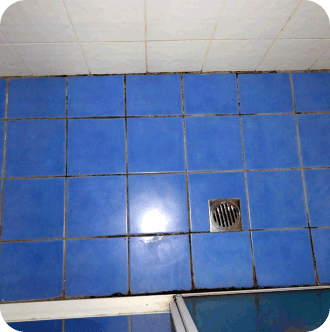
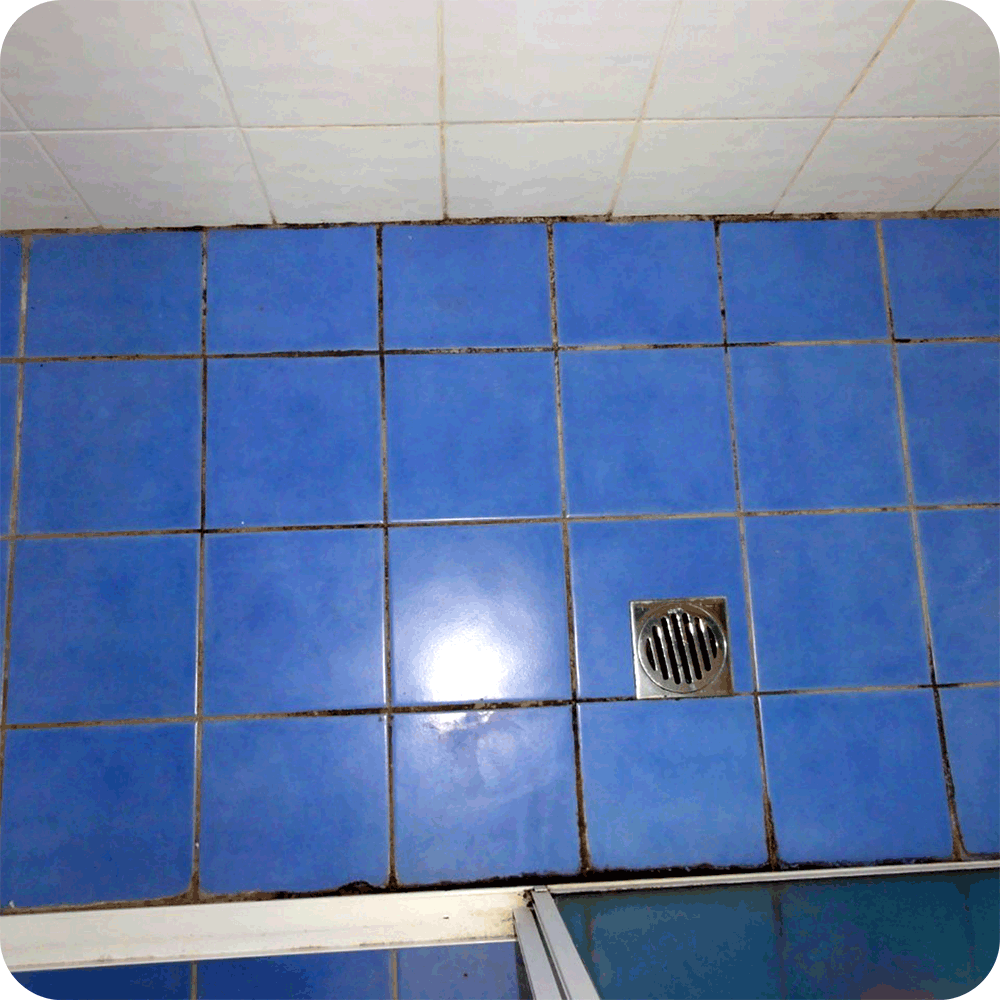
Before Shower Repair Sydney

BEFORE

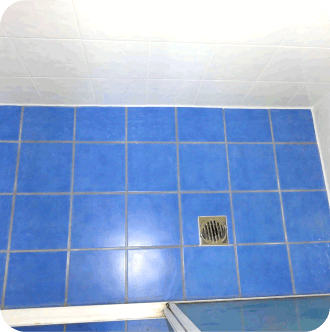
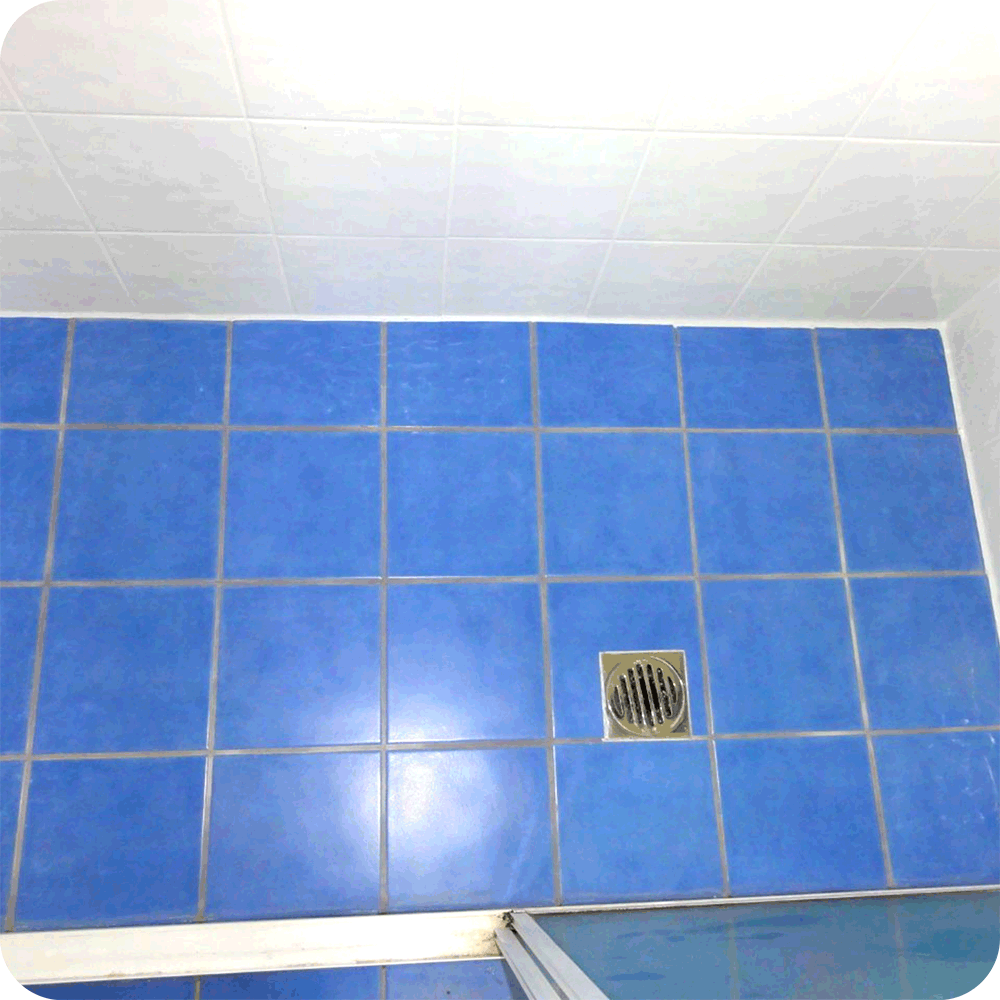
After Shower Repair Sydney

AFTER

Australia’s Most Trusted Shower Repairer

Australia’s Most Awarded Company For Shower Regrout Repair And Tile Regrouting Services In Brisbane, Gold Coast, Sunshine Coast, Sydney, and Central Coast

FAQ’s

The purpose of the grout is to emanate an unblemished tile appearance, while bonding the wall junctions and the floor and wall junctions – preventing wall and floor separation.

Grout mixtures must be selected carefully to make sure that dirt and other outside elements like mould and mildew will not seep into the tiles to avoid discoloration and possible leaks.

There are various ways in which installation can cause cracked grout in shower:

* If mixed with too much water concentration or additives

* If too little adhesive is used in tiles installation

* Cement-based grout can only handle the pressure for so long if a tile pulls away from the wall after the adhesive dries

Fact: Grouting is the weakest link in a tile installation.

Cracked grout in shower mainly happens due to movement between two surfaces with homes inevitably moving in tiny increments because of humidity, foundation settling, and temperature.

Even old or damaged grout can make the most beautiful looking tiles ugly and not to mention, it can cause structural damage to your home. Thus, immediate regrouting shower service is needed.

Regrouting showers and tiles is a quick and budget-friendly fix if mould has already grown into some parts of your bathroom. We highly recommend using epoxy over cement-based when regrouting tiles because it’s stronger, more durable, and only requires light maintenance.

At the first sign of grout damage, you must regrout shower tiles immediately. The longer showers are left with failing grout, the higher the chance that water damage is occurring to the wall behind your tile. The area of damage does not have to incur direct water spray during baths or showers to allow water seepage. Water that sits on the surface of tiles from shower spray or heavy steam will inevitably run behind the broken areas of your grout

Before the invention of the DiamoSmart® System, the old methods of tile regrouting caused small but visible chips to the edges of tiles and diminished the lustre of the edge of the tiles. The DiamoSmart® System eliminated this issue. Our exclusive procedure for regrouting showers is listed below:

* Remove any mouldy or deteriorated sealants such as silicon

* Strip the existing grout out of the walls * Strip out any damaged grout from the floor area

* Strip out grout from around the drain

* Prepare floor and wall junctions using our DiamoSmart® system. This system uses a diamond-tipped blade for regrouting bathroom tiles, removing the sheen from the tile edge creating a small gully in wall and floor junctions.

* Inject our SealRight sealant into the gully so it bonds the wall junctions and the floor and wall junctions – preventing wall and floor separation.

* Regrout bathroom walls and floor using commercial grade mould retardant grout

* Apply silicon to the internal areas of the shower screen

* Coat the internal shower area with our hydro barrier sealant creating an invisible glove to prevent water penetration. This sealant is painted or sprayed on the wall and floor tiles, waterproofing grout surface and beneath it. This soaks in and seals anything that is porous, such as grout lines and hairline cracks.


When regrouting showers and tiles, the type of grout matters and you should know that Epoxy grout is the most superior of all. Here’s why.

Unlike traditional grouts, Epoxy grout is made of two-part epoxy resins which are mixed with filler powder.

What does that mean?

Its composition makes it:

* Waterproof
* Nearly 100% resistant to stains
* Highly resistant to chemicals and physical pressure
* Doesn’t need sealing
* Low maintenance

These characteristics make Epoxy grout the best for regrouting shower and bathroom tiles. Its stain, crack and chemical-resistant properties make it suitable for areas with high traffic whilst its resistance to climate changes make it ideal for locations with harsh weather conditions, excessive amounts of humidity or severe cold. What’s even more interesting is that Epoxy grout’s colour remains constant throughout. The pigment of traditional grout can diminish easily during cleaning.

Moisture and direct water contact contribute to grout deterioration over time, and eventually, the tiles will crack. This is why you should consider regrouting shower tiles every six months. This is a quick and budget-friendly fix that can restore your bathroom’s previous glow immediately.

You should know that you need to call in a professional to do the tile regrouting for you. Even if you possess excellent handyman skills, small mistakes can lead to extensive damage to your grout and tiles. The cost to regrout shower is expensive and if the grout is not installed correctly, moisture can seep into small holes, causing mould and mildew growth, and may cause you to call for a regrout service earlier than expected.

Cement-based grout is actually the weakest link in tile installation because of its many drawbacks with the major being its porous nature. Its pores allow dirt and other outside elements to find their way into the grout, causing staining and allowing mould and grime to embed themselves into the grout, which requires an urgent regrouting shower service.

The best way to prevent grout from cracking is by using Epoxy grout which is strong, durable and requires light maintenance. Whilst it costs higher than cement-based grout, it lasts much longer, negating the cost to regrout shower.