


Author: Mark Studdert
A well-maintained bathroom isn’t just about presentation. Over the years, we’ve seen how small issues left untreated can turn into major water damage problems, with failed waterproofing repairs often costing between $5,000 to $15,000, and even standard leak repairs reaching thousands of dollars.
On the other hand, keeping your bathroom properly maintained can add real value to your property. Property experts suggest that an updated and well-looked-after bathroom can increase a home’s value by up to 5%, making preventative maintenance a smart long-term investment.
That’s why regular shower maintenance matters, whether you’re a homeowner, landlord, property manager, hotel, hospital, or managing strata properties. A little attention early can help avoid much bigger and more expensive problems later on.
How much does a bathroom renovation cost in Australia?
Current data shows bathroom issues in Australia often stem from waterproofing failures or leaks, driving repair costs higher than basic upkeep.
| Repair Type | Average Cost Range (2026) | Common Causes |
| Waterproofing failure remediation | $5,000–$15,000 | Inadequate membranes, poor application |
| General leak/waterproofing repairs | $800–$8,000 | Tile removal, substrate damage |
| Annual professional inspection | $200–$400 | Early detection prevents major fixes |
| Full renovation (if ignored) | $20,000–$35,000 median | Escalated from unrepaired damage |
These figures are national averages; costs rise 15-20% in high-demand areas like Sydney.
So instead of spending on an expensive renovation, regular shower maintenance should be done by property owners to catch small leaks, loose tiles, and failed seals early before they turn into major waterproofing damage. By booking routine inspections and repairs, property owners can help protect their bathroom, avoid unnecessary renovation costs, and extend the life of their shower.
Top Four Shower Maintenance Tips
At The Shower Repair Centre, we’ve spent more than 28 years helping Australians prevent shower leaks and avoid unnecessary bathroom renovations.
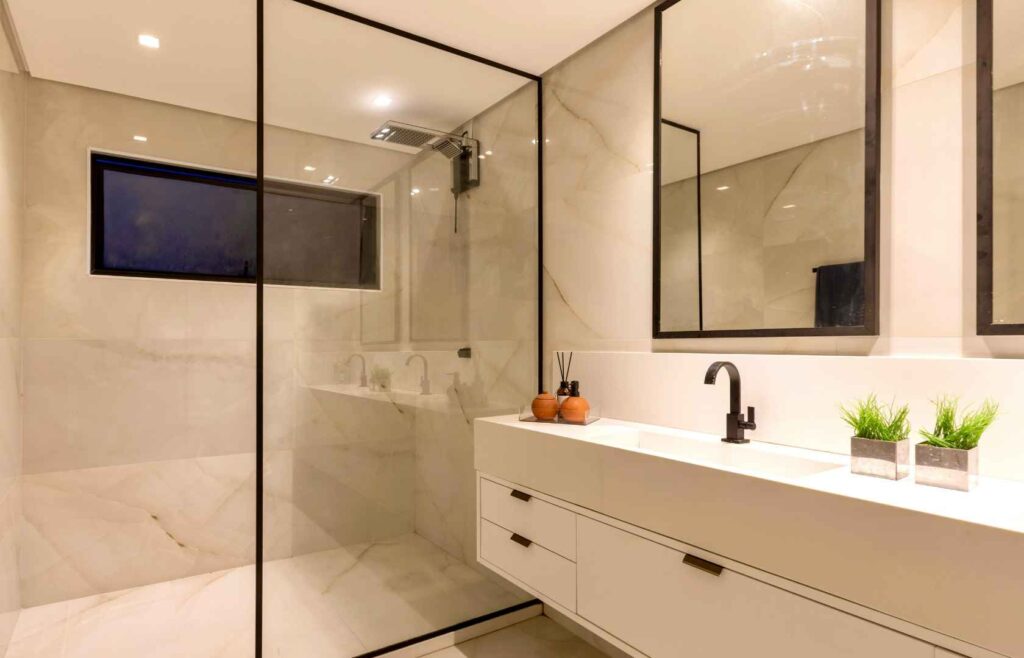
Here are four simple but highly effective shower maintenance tips every property owner should know.
1. Protect Your Shower Screen with a Glass Sealer
One of the most overlooked parts of shower maintenance is protecting the shower screen glass.
Applying a professional glass sealer helps reduce soap scum buildup, hard water stains, and mineral deposits that can permanently damage the glass over time. This issue is commonly referred to as “glass cancer,” where harsh chemicals and mineral exposure slowly deteriorate the surface of the glass.
Benefits of applying a shower screen sealer include:
- Reduces soap scum buildup
- Helps prevent glass cancer
- Makes cleaning easier
- Extends the lifespan of your shower screen
- Maintains a cleaner and clearer appearance
Together with regular maintenance, a quality glass sealer can help extend the life of your shower screen by up to three years after application.
For ongoing protection, it’s also recommended to wipe down your shower glass after use and avoid leaving strong cleaning chemicals on the surface for extended periods.
2. Choose Larger Tiles for Easier Maintenance
If your bathroom requires repairs or refurbishment, choosing larger-format tiles can significantly improve both maintenance and appearance.
Large tiles have become increasingly popular in modern bathroom renovations because they offer both aesthetic and practical benefits.
Why larger shower tiles are beneficial:
- Creates a greater sense of space
- Fewer grout lines mean easier cleaning
- Reduces areas where mould and dirt accumulate
- Helps minimise moisture penetration
- Gives the bathroom a more modern appearance
Because grout lines are one of the most common areas where leaks and mould issues begin, reducing the number of grout joints can help improve long-term shower performance.
If you’re comparing tile and grout solutions, you may also find this guide helpful:
Cement-Based Grout vs. Epoxy Grout: Which Is Better for Your Shower?
3. Regularly Check and Maintain Shower Grout
Cracked or deteriorating grout is one of the earliest warning signs of shower leaks.
Over time, moisture, movement, and cleaning chemicals can weaken traditional grout, allowing water to seep behind tiles. Left untreated, this can result in mould growth, structural damage, and expensive repairs.
Signs your shower grout may need attention:
- Cracked or missing grout
- Mould that keeps returning
- Loose tiles
- Damp or musty smells
- Water stains outside the shower area
Routine inspections can help property owners identify small issues before they become major problems.
For more than 25 years, our team has specialised in repairing leaking showers without removing tiles using the innovative DiamoSmart system® and SealRight™ sealant technology.
Related Internal Link:
How to Maintain Shower Repairs to Last Longer
4. Improve Bathroom Ventilation to Reduce Moisture
Poor bathroom ventilation can contribute to mould growth, grout deterioration, peeling paint, and unpleasant odours.
After every shower, moisture builds up in enclosed spaces. Without proper airflow, this excess humidity can slowly damage surfaces throughout the bathroom.
Simple ways to improve bathroom ventilation include:
- Using an exhaust fan during and after showers
- Opening windows where possible
- Leaving the shower door open after use
- Regularly cleaning ventilation systems
According to the Australian Government Department of Health, excessive indoor moisture and mould can negatively impact indoor air quality and health, making proper ventilation especially important in wet areas.
Conclusion: Prevent Costly Shower Repairs with Regular Maintenance
Small maintenance habits today can help property owners avoid expensive bathroom repairs later.
Whether you’re managing a family home, investment property, hotel, hospital, strata building, or commercial property, proactive shower maintenance plays a major role in protecting your bathroom and preserving property value.
With more than 100,000 showers repaired across Australia, The Shower Repair Centre continues to help Australians repair leaking showers without removing tiles.
If you’d like professional advice or assistance with shower repairs, contact our team today or call 1300 888 806.
FAQ
How often should I reseal shower grout?
Inspect grout every 12 months and reseal every 1–2 years. Cracking, discolouration, or recurring mould are signs it’s overdue.
Can a leaking shower be repaired without removing tiles?
Yes. Using the DiamoSmart® and SealRight™ systems, leaking showers can be fixed without tile removal, saving time and cost.
What causes glass cancer, and how do I prevent it?
Hard water minerals and soap scum permanently etch glass over time. Apply a professional glass sealer and wipe down the screen after each use.
How does poor ventilation damage my shower?
Trapped moisture accelerates mould, grout deterioration, and peeling paint. Run an exhaust fan during and for 15 minutes after every shower.
What are the early warning signs of a leaking shower?
Watch for cracked grout, loose tiles, recurring mould, musty smells, or water stains outside the shower area. Get a professional inspection early.
About the Author
Mark Studdert is the founder of The Shower Repair Centre, specialising in shower leak repairs, waterproofing, leak detection, and bathroom restoration. With over three decades of experience, he pioneered and patented the DiamoSmart® technology, helping save leaking bathrooms without tile removal in 95% of cases.