


4 Sure Signs your Hotel Shower is Due for a Professional Repair

Share this:

Hotel bathrooms are among the highest-use areas in any building. Multiple guests, daily cleaning, constant exposure to water, heat, and chemicals, all of it takes a toll. Over time, even well-built showers begin to fail, often quietly and out of sight.

Cracked grout, peeling paint on adjacent walls, damaged timbers, and water seeping through weak points in the bathroom are some of the most common indicators hotel managers should watch for when assessing whether shower repair or waterproofing is required. Left unaddressed, these early warning signs often lead to costly structural damage, room downtime, and guest complaints.

Why Shower Repair and Waterproofing Matter in Hotels

Water damage in hotels is rarely dramatic at first. Instead of obvious flooding, moisture creeps behind tiles, beneath shower bases, and into wall cavities. By the time damage becomes visible, repairs are often more extensive and disruptive.

Traditionally, waterproofing was a time-consuming process involving demolition and tile removal. Today, modern repair technology allows up to 95% of wet areas to be waterproofed without replacement, significantly reducing downtime.

For hotels, proactive shower repair delivers clear benefits:

  • Fewer room closures
  • Lower long-term maintenance costs
  • Reduced risk of mould and secondary damage
  • Improved operational efficiency

Here are some signs that your hotel needs a professional approach to fixing its bathroom leaks.

Sign #1. Cracked or Failing Shower Grout

In hotel bathrooms, cracked grout often appears around shower bases, wall junctions, and corners due to constant use and daily thermal expansion. What starts as a cosmetic issue allows water to penetrate behind tiles, leading to hidden moisture damage that housekeeping and maintenance teams may not immediately detect.

The professional solution:

Failed grout is carefully removed, and critical junctions are re-sealed using a flexible, commercial-grade sealing system. This restores the shower’s waterproof barrier without removing tiles, stopping moisture ingress at its source.

Why hotels prefer this approach:

  • No tile removal
  • Minimal room downtime
  • Preserves original finishes in luxury bathrooms

Sign #2. Peeling Paint on Adjacent Walls

When waterproofing begins to fail, moisture migrates beyond the shower area into nearby walls. In hotels, this typically shows up as bubbling or peeling paint in corridors, wardrobes, or adjoining rooms. This is a clear sign that water is escaping the wet area and compromising finishes outside the bathroom.

The professional solution:
Rather than repeatedly repainting affected areas, the leak is addressed internally by restoring the shower’s waterproof seal. Once the source is contained, surrounding walls are able to dry properly, allowing finishes to be repaired without recurring damage.

Why hotels prefer this approach:

  • Stops repeat cosmetic repairs
  • Prevents damage from spreading to guest-facing areas
  • Protects neighbouring rooms and corridors

Sign #3. Damaged or Swollen Timbers

Swollen skirting boards, warped door jambs, or soft timber near bathroom entrances often indicate prolonged moisture exposure. By the time this is visible, water damage has usually been occurring behind the scenes for some time.

The professional solution:
By arresting moisture at the shower perimeter and wet-area junctions, further water exposure is stopped. In many cases, once the leak is sealed, timbers stabilise and dry out naturally, avoiding invasive structural replacement.

Why hotels prefer this approach:

  • Reduces major joinery replacement
  • Avoids stripping bathrooms back to frames
  • Extends the lifespan of existing fit-outs

Sign #4. Water Seepage Through Bathroom Weak Points

Luxury bathrooms often include complex layouts with multiple penetrations such as floor wastes, glass shower screens, fixtures, and tile junctions. When waterproofing deteriorates, water begins seeping through these weak points, sometimes affecting lower floors or neighbouring rooms.

The professional solution:
High-risk penetrations are reinforced using a system designed to re-establish a continuous waterproof seal across all vulnerable areas. This prevents leaks from travelling beyond the bathroom and protects surrounding assets.

Why hotels prefer this approach:

  • Prevents leaks to lower floors and adjoining rooms
  • Protects high-value finishes and common areas
  • Reduces maintenance escalation and insurance risk

Why Luxury Hotels Choose The Shower Repair Centre

Luxury hotels require solutions that protect guest experience, minimise downtime, and preserve the integrity of high-end bathrooms. This is why many turn to The Shower Repair Centre, whose approach focuses on precision repair rather than disruptive rebuilds.

At the core of their service is the DiamoSmart system®, a proprietary, non-invasive shower repair technology designed to restore the shower’s waterproof seal at its most vulnerable points. Rather than removing tiles or closing rooms for extended periods, the system targets perimeter seals, junctions, and penetrations where failures most commonly occur.

TSRC’s advanced sealing and epoxy-based solutions are developed specifically for wet-area performance. These products are engineered to withstand constant use, temperature changes, and cleaning regimes typical of hotel environments.

What sets the approach apart for hotels:

  • Fast turnaround repairs, allowing rooms to return to service quickly
  • Non-invasive application, preserving original tiles and finishes
  • Targeted waterproofing, addressing the root cause rather than surface symptoms
    Proven systems used across hotels, strata, and commercial assets

All work is backed by industry-leading guarantees, providing hotel operators with confidence that repairs are built to last – not just look good on handover.

For luxury hotels, the decision is simple: protect assets, maintain guest standards, and avoid unnecessary downtime. By combining patented technology, specialist products, fast execution, and long-term guarantees, The Shower Repair Centre delivers a solution aligned with how premium hospitality assets are managed today.

Contact The Shower Repair Centre to discuss your next shower repair, where proven expertise meets innovation.

Recommended Articles:
Fully Licensed and Insured

WITH A COMPREHENSIVE QUALITY CONTROL PROGRAM

Our team has quality as its central focus with two full time quality control managers ensuring we maintain the highest possible standards on each and every job. It is important to note that we are the exclusive distributors of DiamoSmart® Systems. Our technicians are fully trained and licensed operators of this waterproofing system.

REGROUTING SHOWERS & TILES

Australia's Most Awarded Company For Shower Regrout Repair And Tile Regrouting Services In Brisbane, Gold Coast, Sunshine Coast, Sydney, and Central Coast

Regrouting Tiles And Regrouting Showers For Over 23 Years

With over 23 years of experience and 70,000 showers repaired to date, we guarantee that every shower regrout repair we will do for our clients is nothing short of what we will do for ourselves. You can have complete confidence that we will deliver the highest level of shower and tile regrouting service that backs up your company standards.

Australia's Most Awarded Shower Repairer

Over 70,000 Showers Repaired

25-Year Product Warranty

24 Years In Business

Pioneered and Patented the DiamoSmart® System

Introduced and Uses SealRight SealRight™ & HydroBarrier Sealant

SETTING NEW BENCHMARKS WITH OUR HIGH QUALITY REGROUTING SHOWER SERVICE

There are many ways you can renovate your bathroom but if you’re looking for a quick and budget-friendly fix, regrouting tiles is the key.

The DiamoSmart® System, copies of which are now used throughout the industry, was pioneered by our founder, Mark Studdert. Before its invention, Mark noticed that the old method of regrouting showers caused small but visible chips to the edges of tiles and diminished the lustre of the tiles’ edge. He designed a small diamond-tipped grouter that would eliminate these issues when regrouting bathroom tiles. Our team offers a Diamond Re-Grout Service where we strip off existing grout and replace it with a premium Epoxy grout, which is more resistant to stains, cracks, harsh weather conditions, chemicals, and climate changes than traditional grout. This makes it suitable for areas with high traffic and since it’s a waterproofing grout, it improves not only the bathroom’s aesthetics but also its functionality.

Why Choose The Shower Repair Centre For Shower And Tile Regrouting

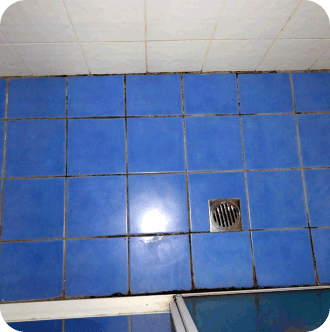
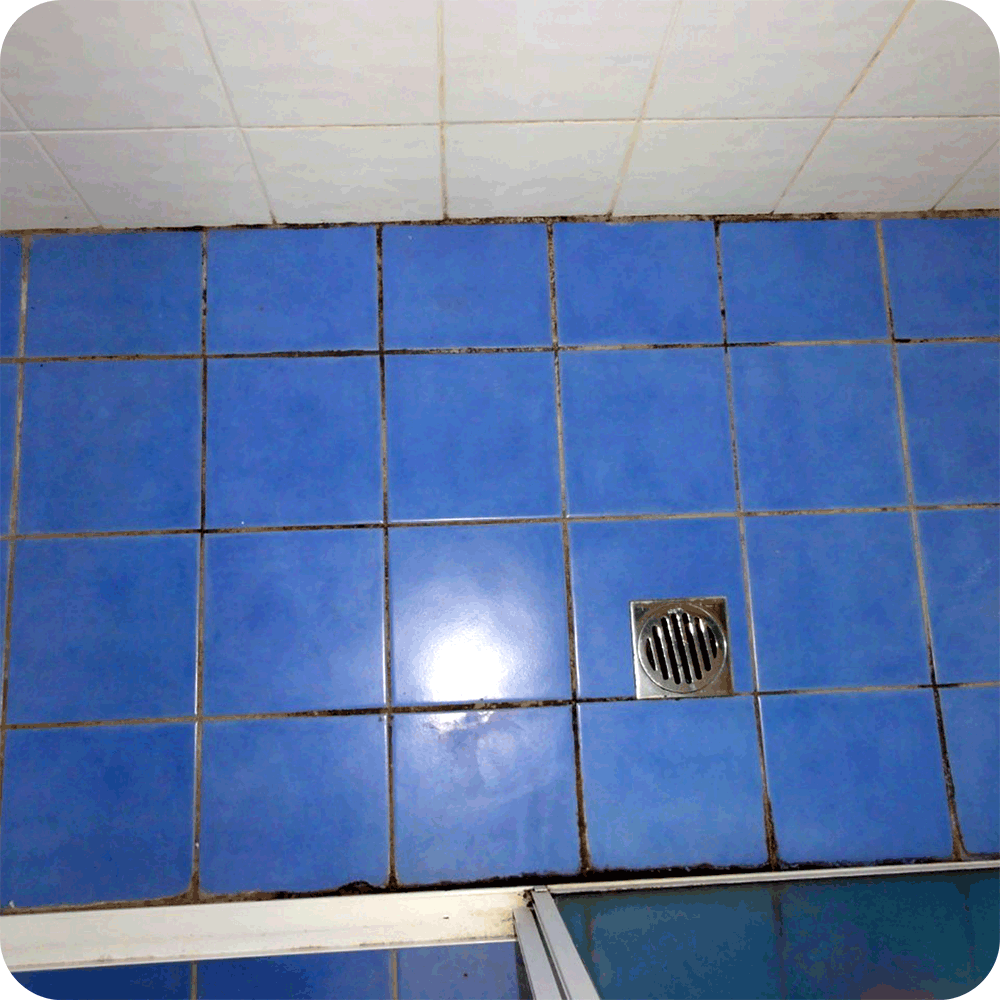
Before Shower Repair Sydney

BEFORE

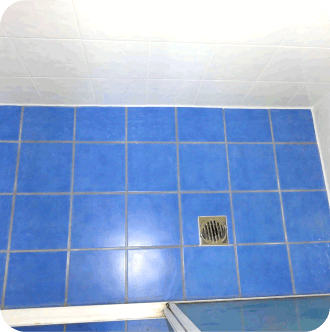
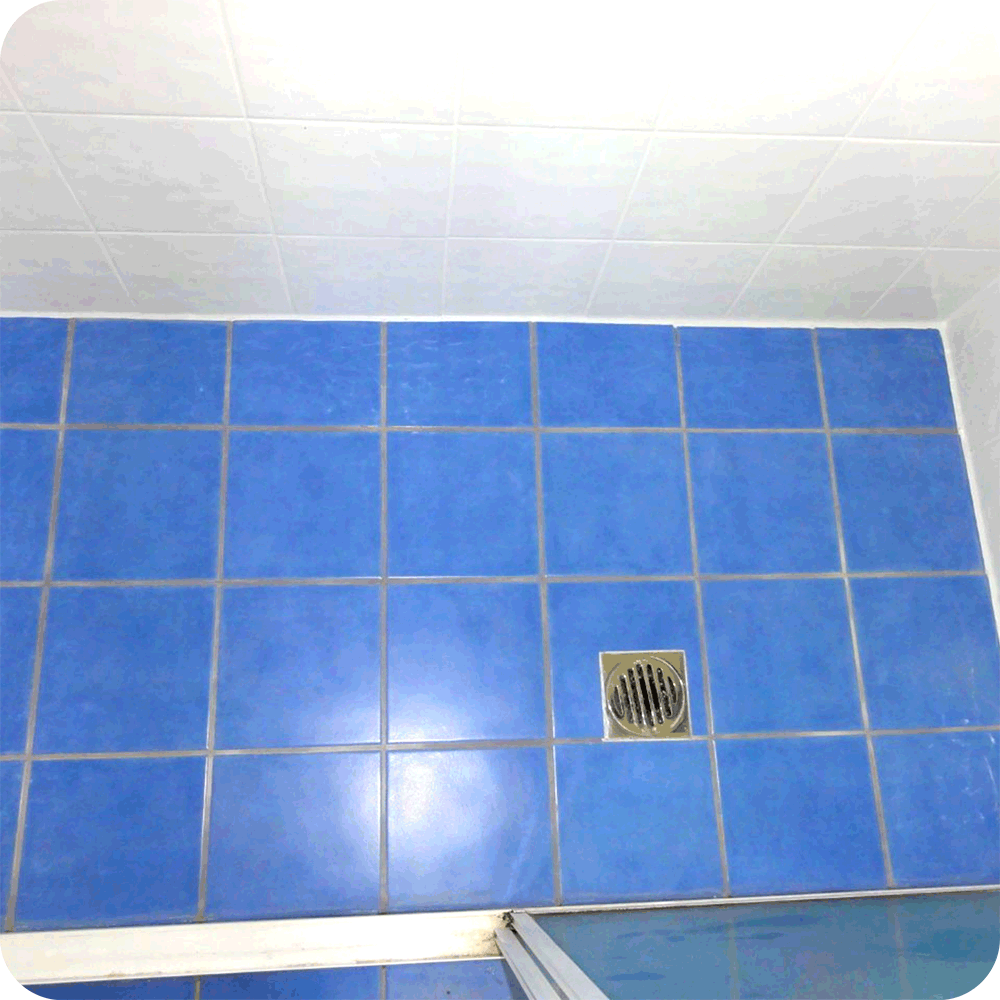
After Shower Repair Sydney

AFTER

Australia’s Most Trusted Shower Repairer

Australia’s Most Awarded Company For Shower Regrout Repair And Tile Regrouting Services In Brisbane, Gold Coast, Sunshine Coast, Sydney, and Central Coast

FAQ’s

The purpose of the grout is to emanate an unblemished tile appearance, while bonding the wall junctions and the floor and wall junctions – preventing wall and floor separation.

Grout mixtures must be selected carefully to make sure that dirt and other outside elements like mould and mildew will not seep into the tiles to avoid discoloration and possible leaks.

There are various ways in which installation can cause cracked grout in shower:

* If mixed with too much water concentration or additives

* If too little adhesive is used in tiles installation

* Cement-based grout can only handle the pressure for so long if a tile pulls away from the wall after the adhesive dries

Fact: Grouting is the weakest link in a tile installation.

Cracked grout in shower mainly happens due to movement between two surfaces with homes inevitably moving in tiny increments because of humidity, foundation settling, and temperature.

Even old or damaged grout can make the most beautiful looking tiles ugly and not to mention, it can cause structural damage to your home. Thus, immediate regrouting shower service is needed.

Regrouting showers and tiles is a quick and budget-friendly fix if mould has already grown into some parts of your bathroom. We highly recommend using epoxy over cement-based when regrouting tiles because it’s stronger, more durable, and only requires light maintenance.

At the first sign of grout damage, you must regrout shower tiles immediately. The longer showers are left with failing grout, the higher the chance that water damage is occurring to the wall behind your tile. The area of damage does not have to incur direct water spray during baths or showers to allow water seepage. Water that sits on the surface of tiles from shower spray or heavy steam will inevitably run behind the broken areas of your grout

Before the invention of the DiamoSmart® System, the old methods of tile regrouting caused small but visible chips to the edges of tiles and diminished the lustre of the edge of the tiles. The DiamoSmart® System eliminated this issue. Our exclusive procedure for regrouting showers is listed below:

* Remove any mouldy or deteriorated sealants such as silicon

* Strip the existing grout out of the walls * Strip out any damaged grout from the floor area

* Strip out grout from around the drain

* Prepare floor and wall junctions using our DiamoSmart® system. This system uses a diamond-tipped blade for regrouting bathroom tiles, removing the sheen from the tile edge creating a small gully in wall and floor junctions.

* Inject our SealRight sealant into the gully so it bonds the wall junctions and the floor and wall junctions – preventing wall and floor separation.

* Regrout bathroom walls and floor using commercial grade mould retardant grout

* Apply silicon to the internal areas of the shower screen

* Coat the internal shower area with our hydro barrier sealant creating an invisible glove to prevent water penetration. This sealant is painted or sprayed on the wall and floor tiles, waterproofing grout surface and beneath it. This soaks in and seals anything that is porous, such as grout lines and hairline cracks.


When regrouting showers and tiles, the type of grout matters and you should know that Epoxy grout is the most superior of all. Here’s why.

Unlike traditional grouts, Epoxy grout is made of two-part epoxy resins which are mixed with filler powder.

What does that mean?

Its composition makes it:

* Waterproof
* Nearly 100% resistant to stains
* Highly resistant to chemicals and physical pressure
* Doesn’t need sealing
* Low maintenance

These characteristics make Epoxy grout the best for regrouting shower and bathroom tiles. Its stain, crack and chemical-resistant properties make it suitable for areas with high traffic whilst its resistance to climate changes make it ideal for locations with harsh weather conditions, excessive amounts of humidity or severe cold. What’s even more interesting is that Epoxy grout’s colour remains constant throughout. The pigment of traditional grout can diminish easily during cleaning.

Moisture and direct water contact contribute to grout deterioration over time, and eventually, the tiles will crack. This is why you should consider regrouting shower tiles every six months. This is a quick and budget-friendly fix that can restore your bathroom’s previous glow immediately.

You should know that you need to call in a professional to do the tile regrouting for you. Even if you possess excellent handyman skills, small mistakes can lead to extensive damage to your grout and tiles. The cost to regrout shower is expensive and if the grout is not installed correctly, moisture can seep into small holes, causing mould and mildew growth, and may cause you to call for a regrout service earlier than expected.

Cement-based grout is actually the weakest link in tile installation because of its many drawbacks with the major being its porous nature. Its pores allow dirt and other outside elements to find their way into the grout, causing staining and allowing mould and grime to embed themselves into the grout, which requires an urgent regrouting shower service.

The best way to prevent grout from cracking is by using Epoxy grout which is strong, durable and requires light maintenance. Whilst it costs higher than cement-based grout, it lasts much longer, negating the cost to regrout shower.