


Author: Mark Studdert, Founder, The Shower Repair Centre
After nearly three decades of repairing leaking showers and wet areas, one of the most common assumptions I hear from customers is that a leaking shower automatically requires full demolition.
Many homeowners notice a water stain, cracked grout, mould, or movement around the shower and immediately think the only solution is to rip out the tiles, redo the waterproofing, retile the area, and lose access to the bathroom for several days or even weeks.
In many cases, that is not necessary.
At The Shower Repair Centre, we have repaired well over 100,000 leaking showers across NSW and QLD. In our experience, most leaking showers do not require tile removal when the issue is identified early and the damage is limited to the grout, silicone, joints, or the surface-level waterproofing system.
The key is knowing the difference between a shower that can be repaired from the surface and one that has more serious structural or substrate damage.
Can a Leaking Shower Be Fixed Without Removing Tiles?
Yes, in many cases, a leaking shower can be repaired without removing tiles.
A tiled shower is made up of several layers. The tile is only the visible surface. Beneath it are the grout lines, silicone joints, waterproofing membrane, and substrate, which is the structure behind the wall or beneath the floor.
Most shower leaks begin at the joints. This includes grout lines, internal corners, silicone seals, tile-to-tray junctions, and areas where the shower screen meets the tiled surface. In these cases, the tile itself is often not the problem.
When the leak is still at this joint or surface level, the shower may be suitable for leaking shower repair without removing tiles, regrouting, resealing, or surface waterproofing without demolition. However, if water has been entering for long enough to damage the substrate, soften the floor, or compromise the structure behind the tiles, a surface repair may not be appropriate.
This is why a proper inspection is important before assuming that a full retile is required.
Read also How to Fix a Leaking Shower Without Removing Tiles
Signs a Shower May Be Suitable for Repair or Full Demolition
A no-tile-removal repair may be suitable when the problem is isolated and the underlying structure remains sound.
Common signs include:
- Cracked or discoloured grout where the wall or floor behind it still feels firm
- One or two loose or hollow-sounding tiles that are isolated rather than spreading
- Leaks traced to corner joints, tray junctions, or failed silicone
- Surface mould limited to grout lines or joints
- No softness, sponginess, or flexing in the shower floor
In these situations, the issue may be limited to failed grout, worn silicone, or joint-level waterproofing failure. These are often repairable without removing the tiles.
Full demolition may be required when the problem has moved beyond the surface and into the substrate or structure.
Warning signs include:
- A soft, spongy, or flexing floor near the shower base
- A leak that returns after a proper repair has already been completed
- Visible movement or cracking in the shower base or tray
- Hollow-sounding tiles across a wide area
- Water stains on the ceiling or the room below
When the floor has softened or a previous repair has failed, resealing may not hold. In those cases, the substrate may have broken down, and the tiles usually need to be removed so the damage beneath can be properly accessed and repaired.
A responsible repairer should explain this clearly before recommending any work. Telling a customer that a shower can simply be patched when the substrate has failed only increases the chance that they will pay twice.
Shower Tile Repair Cost vs Full Demolition Cost
The cost difference between a no-tile-removal repair and full demolition is usually significant.
A joint-level repair, regrouting, resealing, replacing silicone, or fixing a small number of tiles is generally far less expensive because it is surface work. There is no full tile removal, no substrate rebuild, and no complete retiling process. In most cases, a professional repair of this kind for a standard shower falls in the $800 to $1,800 range, depending on the shower’s size, how many joints or tiles are affected, and the type of sealant or grout used.
Full demolition is a much larger scope of work. It usually involves removing the existing tiles, assessing the waterproofing membrane and substrate, repairing or replacing damaged areas, and then retiling and resealing the shower. A full shower reline of this kind — new base, waterproofing, and retiling — typically runs from around $5,000 up to $9,000 or more, and if it’s part of a broader bathroom renovation rather than just the shower, the total can climb well into the $15,000 to $35,000 range once fixtures, fittings, and other trades are involved.
One of the challenges with full demolition is that the true extent of damage is not always visible until the tiles come off. In my experience, water damage behind the tiles is often worse than what can be seen from the surface. This can increase the final cost once the job is underway.
That is why I always recommend having the repair option properly assessed first. A leaking shower does not automatically mean a full retile is required, and when a repair is genuinely enough, it can resolve the problem for a fraction of what a full demolition and retile would cost.
(The figures above are general industry estimates for budgeting purposes. Every shower is different, and the only way to get an accurate number for yours is a proper on-site assessment. Get in touch, and we’ll give you a straight quote, not a guess.)
Examples of No-Tile-Removal Shower Repairs
The best way to understand what is possible is to look at real examples.
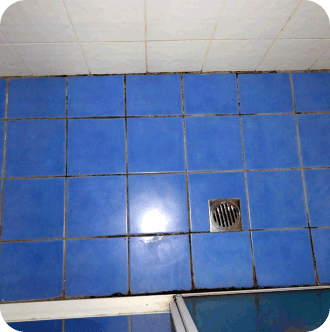
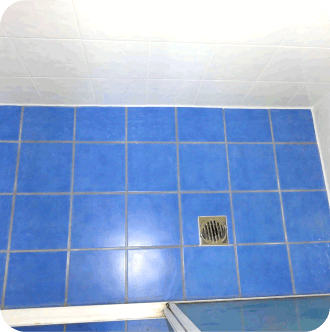
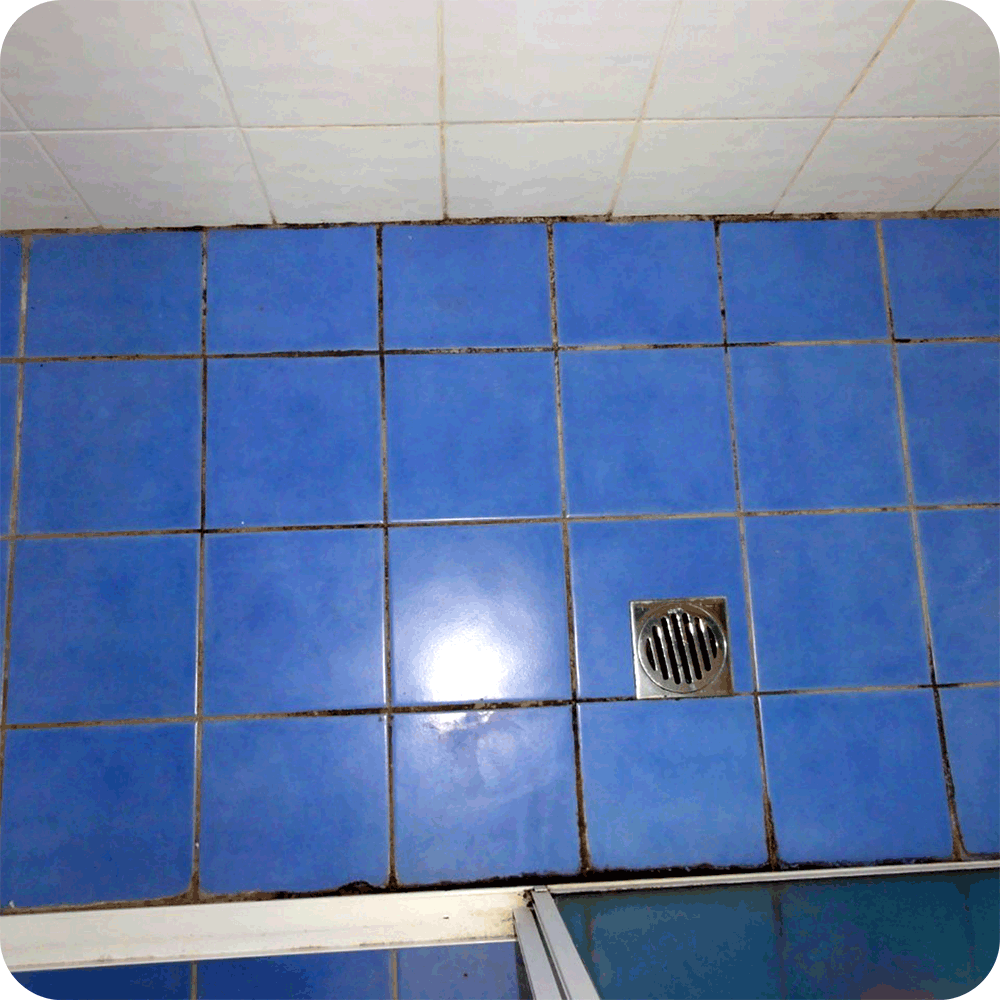
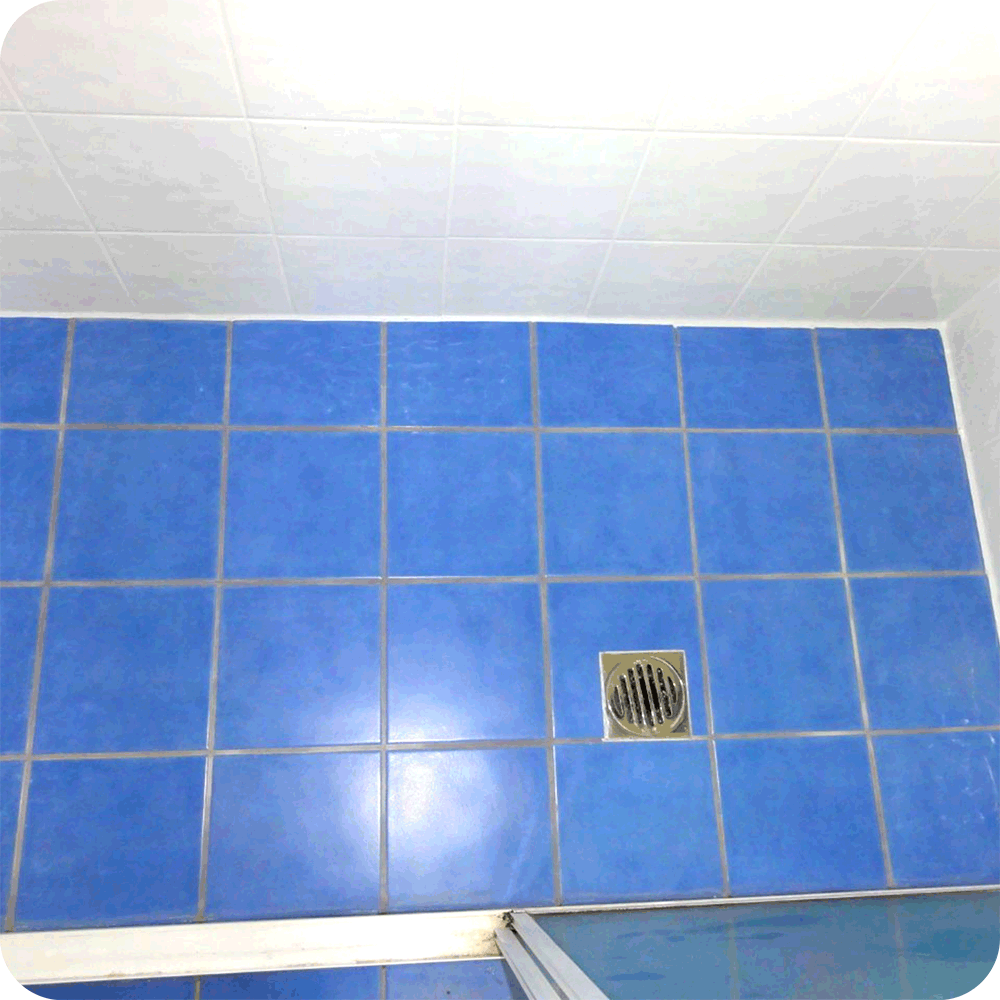
In Sydney, NSW, we repaired showers with cracked grout, mould and failed floor joints by regrouting the affected areas and sealing them with our SealRight™ system. No tiles were removed, and the work was completed in a day.
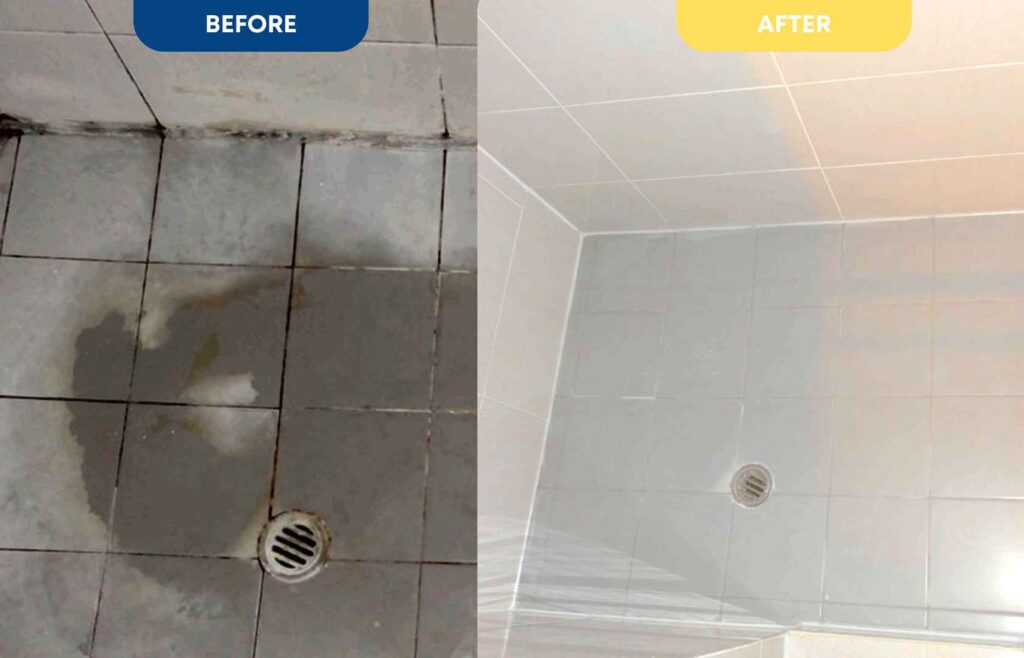
Image 1. Before and After work in Sydney, NSW
In another Sydney shower, cracked silicone had allowed water to enter through the joints. We removed the failed silicone and re-siliconed the joints without touching the tiles.
In the Northern Rivers, NSW, water had reached the wall timbers. Rather than demolishing the entire shower, we sealed the affected wall timbers, shower walls, floor, and screen without removing the tiles.
On the Sunshine Coast, QLD, and in Logan, QLD, we repaired leaking showers with loose floor tiles by relaying the existing tiles and applying SealRight™ over the top. Again, this avoided full demolition.
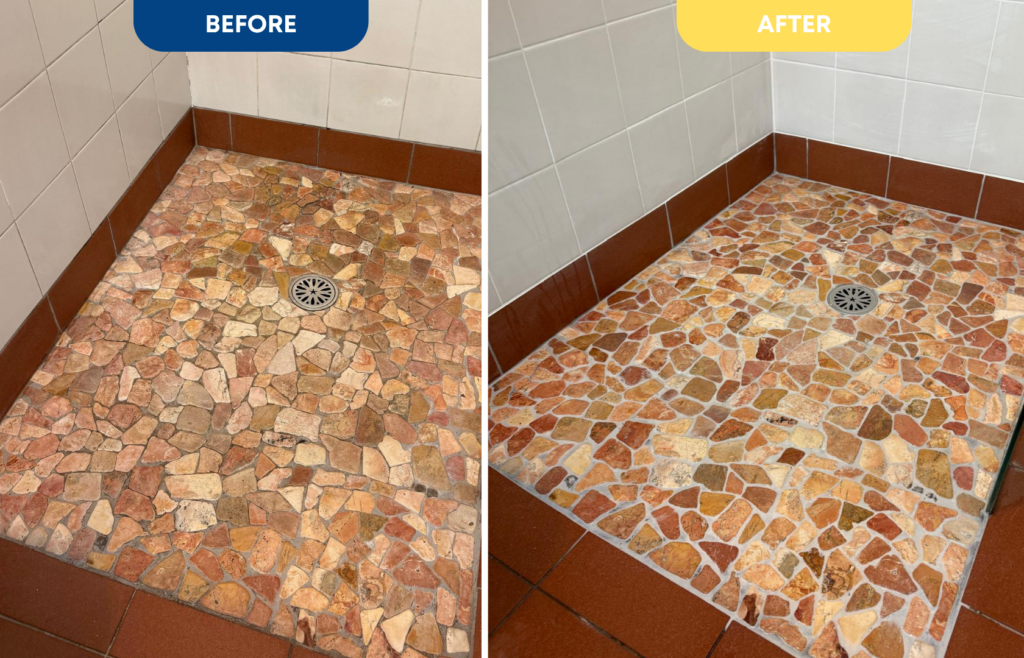
Image 2. Before and After work in Sunshine Coast, QLD
You can view more real examples in our before-and-after shower repair gallery.
These examples show why it is important not to assume that every leak requires a complete rip-out. The correct repair depends on the source of the leak, the condition of the substrate, and whether the tiled surface can still support a long-term repair.
At The Shower Repair Centre, our SealRight™ Floor Perimeter Sealant is backed by a 25-year written product warranty. This is designed to give customers confidence that the repair is not a short-term patch. If something covered under the warranty fails, we return and fix it.
However, it is also important to be clear about what a warranty can and cannot cover. Structural movement affecting the shower is not covered because movement in the building or substrate is outside the scope of a surface repair and reseal. We explain this before work begins so customers understand exactly what is covered.
Conclusion: Should You Repair or Replace Your Shower?
If your shower or balcony has a leak, cracked grout, loose silicone, mould or signs of water movement, do not assume that full demolition is the only option.
In many cases, the real problem is failed grout, worn silicone, joint failure, or surface-level waterproofing breakdown. These issues can often be repaired without removing tiles, saving the cost, time, and disruption of a full retile.
However, if the floor is soft, the shower base is moving, or a previous repair has already failed, the issue may be deeper than the surface. In that case, a full demolition may be the more appropriate long-term solution.
The right answer depends on the condition of the shower, not guesswork.
At The Shower Repair Centre, we repair leaking showers and balconies without tile removal where suitable, backed by our 25-year product warranty on SealRight™. If you are dealing with a leak, cracked grout or tile problem, call 1300 888 806 or contact us on our page. We will tell you honestly whether the issue can be repaired or whether it needs more extensive work before you spend a cent.
Frequently Asked Questions
How long does a no-tile-removal shower repair take?
Most joint-level shower repairs can be completed in a single day. More involved repairs, such as relaying loose floor tiles and sealing them with SealRight™, may take longer hours but are still usually faster than full demolition and retiling.
Can a leaking shower be fixed without removing tiles?
Yes, in many cases. If the leak is coming from failed grout, silicone, joints, or surface waterproofing, it can often be repaired without removing tiles. If the substrate is damaged, full demolition may be required.
Does regrouting damage tiles?
There is a small risk of minor chipping, especially with older or delicate glazed tiles. A professional repairer should explain this before work begins so there are no surprises.
When does a shower need full demolition?
Full demolition may be needed if the shower floor is soft, the base is moving, tiles are loose across a wide area, or a previous repair has already failed.
Can the same no-tile-removal repair be used on balconies?
Yes, in many cases. Balcony leaks often come from failed grout, joints, or waterproofing, similar to showers. The area must be inspected first to confirm whether the structure is still suitable for repair.