


5 Tips to Prevent Shower Mould Growth This Summer

Share this:

Humidity during summer can exceed 70% in regions like Brisbane and Darwin, providing ideal conditions for mould to flourish in bathrooms on surfaces like tiles, grout, and ceilings. Some regions, such as northern Queensland, experience more severe summer mould outbreaks compared to drier southern areas, though wetter events like La Niña can temporarily raise risk across the country.

In this article, let’s explore the dire effects of bathroom mould and some practical ways to prevent it.

Effects of Bathroom Mould
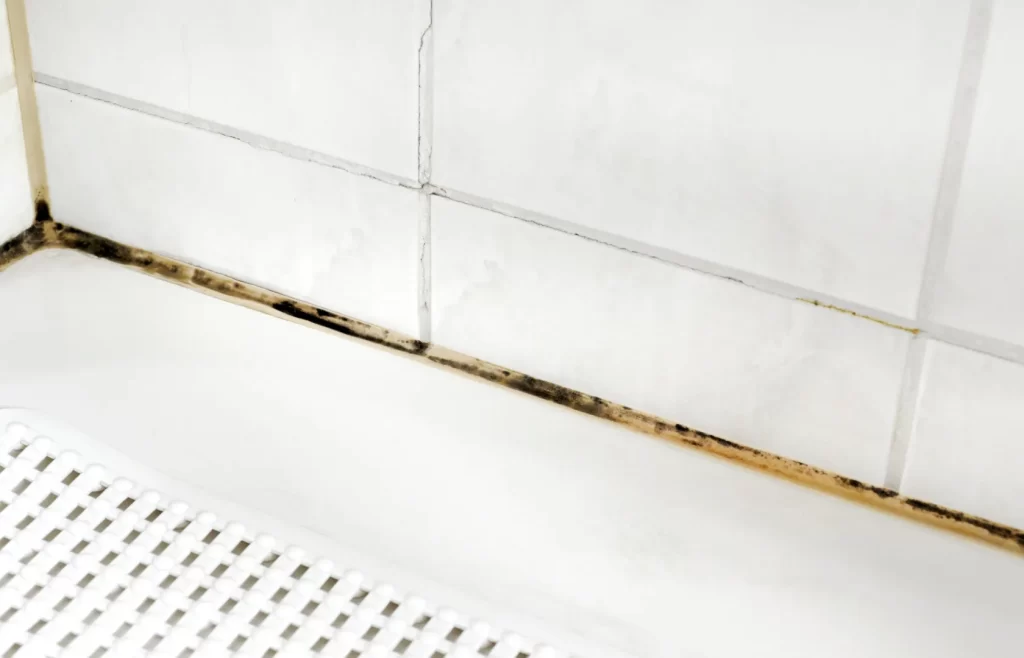
Bathroom mould in the corner of the tiles.

Mould may start as a few dark spots in the corners of your shower, but its effects reach far beyond appearance. In a warm, damp environment like the bathroom, mould can quickly spread and release airborne spores that affect both your home and your health. From breathing problems and allergies to structural damage and costly repairs, the impact of mould can be far more serious than many homeowners realise. Among these may include:

  • Respiratory symptoms: coughing, wheezing, asthmatic exacerbations, nasal and throat irritation.
  • Allergic reactions: sneezing, runny or blocked nose, itchy and watery eyes, skin rashes.
  • Increased risk: asthma sufferers, allergy-prone individuals, young children, the elderly, and immunocompromised persons.
  • Chronic exposure may contribute to lung infections and hypersensitivity pneumonitis (“Farmer’s lung”).
  • Some moulds release mycotoxins, causing systemic toxic effects and immune suppression in high exposures.

Not only that. Over time, it can also damage building materials, resulting in costly remediation and ongoing maintenance. Beyond the physical effects, living with mould contributes to psychological stress and reduced comfort, making it essential to address moisture issues early and protect the spaces where you live and breathe.

Why Mould Grows In The Bathroom

1. Warm, Damp Environments

Bathrooms are the perfect breeding ground for mould due to the constant moisture from showers and baths. When warm, humid air meets cooler surfaces, condensation forms, creating the ideal conditions for mould to thrive.

2. Poor Ventilation

Without proper airflow, humidity lingers in your bathroom long after you’ve finished using it. Lack of windows or an inefficient exhaust fan can trap moisture, allowing mould spores to settle and grow on walls, ceilings, and tiles.

3. Leaky Pipes

Hidden leaks from pipes or plumbing fixtures can often go unnoticed but can contribute significantly to mould growth. Even small, persistent leaks can create a damp environment behind walls or under flooring, making it hard to spot the problem before mould takes hold.

4. Dirty Surfaces

Soap scum, grime, and other bathroom products can build up over time, creating a layer that holds moisture against surfaces. This provides a perfect environment for mould to flourish, especially in areas like grout lines or shower curtains.

5 Tips to Control Mould Growth in your Bathroom

1. Control Moisture & Humidity

Moisture is the number one trigger for mould growth, especially during the humid Australian summer. Managing humidity levels stops mould from forming in the first place.

Tips:

  • Run your exhaust fan for 20–30 minutes after every shower.
  • Keep windows open or the bathroom door ajar to improve airflow.
  • Use a dehumidifier in bathrooms with poor ventilation.
  • Let natural sunlight in to help dry surfaces naturally.

2. Improve Your Bathroom’s Ventilation System

Even if you have a fan, it won’t work effectively if it’s dirty or not venting properly. Good ventilation removes humid air before mould can take hold.

Tips:

  • Ensure the exhaust fan vents outside, not into the attic.
  • Clean fans and ducts regularly to maintain strong airflow.

3. Keep Surfaces Dry After Use

Mould thrives on lingering moisture left behind after showers. Drying surfaces immediately slows down mould growth dramatically.

Tip:

  • Use a squeegee after every shower to remove water from tiles, grout, and glass.

4. Maintain Your Bathroom’s Waterproofing & Plumbing

Hidden water is one of the biggest causes of mould. Staying on top of leaks and damaged seals prevents moisture from getting behind tiles and walls.

Tips:

  • Fix leaks promptly, no matter how small.
  • Replace old or cracked caulking with mould-resistant silicone.

5. Choose Materials That Resist Mould

Some building materials naturally resist moisture and reduce the chance of mould developing over time.

Tip:

  • Use mould-resistant paint, drywall, or cement board on walls and ceilings.
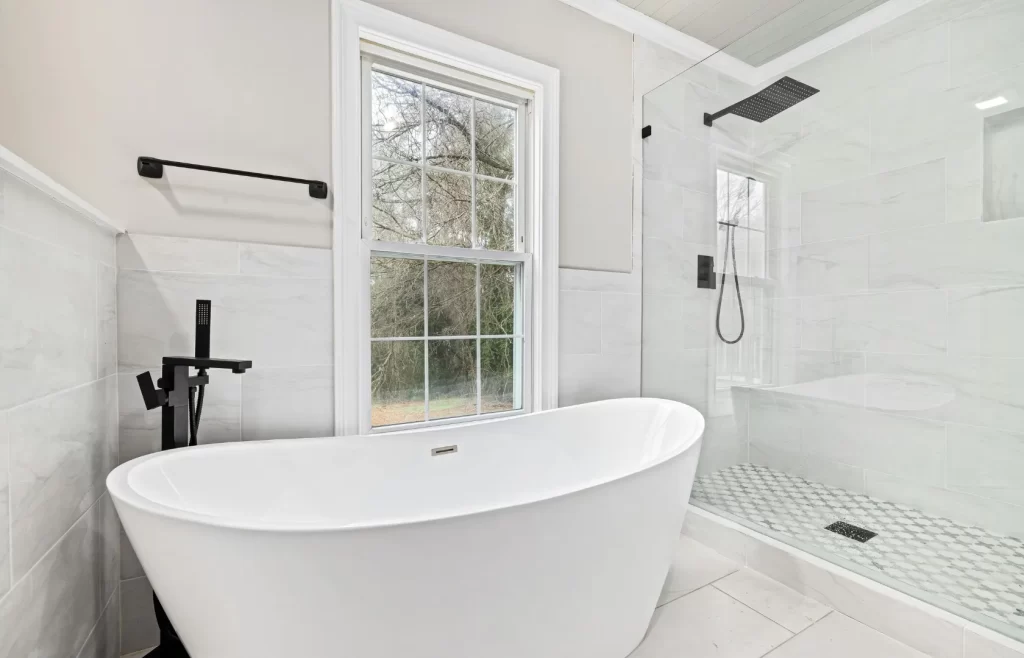
White spacious bathroom with bathtub beside a window

Keep Your Bathroom Mould-Free This Summer

At The Shower Repair Centre, we specialise in diagnosing and repairing shower and bathroom issues before they turn into costly structural damage. With over 27 years of experience and more than 85,000 successful repairs, our team helps homeowners and property managers safeguard their properties, especially during the humid summer months when mould thrives.

Whether it’s cracked tiles, leaking showers, failed grout, or compromised seals, our certified technicians use our exclusive DiamoSmart System® and industry-leading SealRight™ sealant, backed by a 25-year Product Warranty, to provide a long-lasting solution — without the need to remove tiles.

So, as the temperature and humidity rise, make sure your bathroom is protected from hidden moisture and mould growth. Book a professional inspection or repair with The Shower Repair Centre today and enjoy a cleaner, healthier home all summer long.


Recommended Articles:
Fully Licensed and Insured

WITH A COMPREHENSIVE QUALITY CONTROL PROGRAM

Our team has quality as its central focus with two full time quality control managers ensuring we maintain the highest possible standards on each and every job. It is important to note that we are the exclusive distributors of DiamoSmart® Systems. Our technicians are fully trained and licensed operators of this waterproofing system.

REGROUTING SHOWERS & TILES

Australia's Most Awarded Company For Shower Regrout Repair And Tile Regrouting Services In Brisbane, Gold Coast, Sunshine Coast, Sydney, and Central Coast

Regrouting Tiles And Regrouting Showers For Over 23 Years

With over 23 years of experience and 70,000 showers repaired to date, we guarantee that every shower regrout repair we will do for our clients is nothing short of what we will do for ourselves. You can have complete confidence that we will deliver the highest level of shower and tile regrouting service that backs up your company standards.

Australia's Most Awarded Shower Repairer

Over 70,000 Showers Repaired

25-Year Product Warranty

24 Years In Business

Pioneered and Patented the DiamoSmart® System

Introduced and Uses SealRight SealRight™ & HydroBarrier Sealant

SETTING NEW BENCHMARKS WITH OUR HIGH QUALITY REGROUTING SHOWER SERVICE

There are many ways you can renovate your bathroom but if you’re looking for a quick and budget-friendly fix, regrouting tiles is the key.

The DiamoSmart® System, copies of which are now used throughout the industry, was pioneered by our founder, Mark Studdert. Before its invention, Mark noticed that the old method of regrouting showers caused small but visible chips to the edges of tiles and diminished the lustre of the tiles’ edge. He designed a small diamond-tipped grouter that would eliminate these issues when regrouting bathroom tiles. Our team offers a Diamond Re-Grout Service where we strip off existing grout and replace it with a premium Epoxy grout, which is more resistant to stains, cracks, harsh weather conditions, chemicals, and climate changes than traditional grout. This makes it suitable for areas with high traffic and since it’s a waterproofing grout, it improves not only the bathroom’s aesthetics but also its functionality.

Why Choose The Shower Repair Centre For Shower And Tile Regrouting

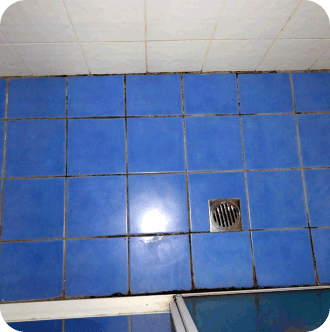
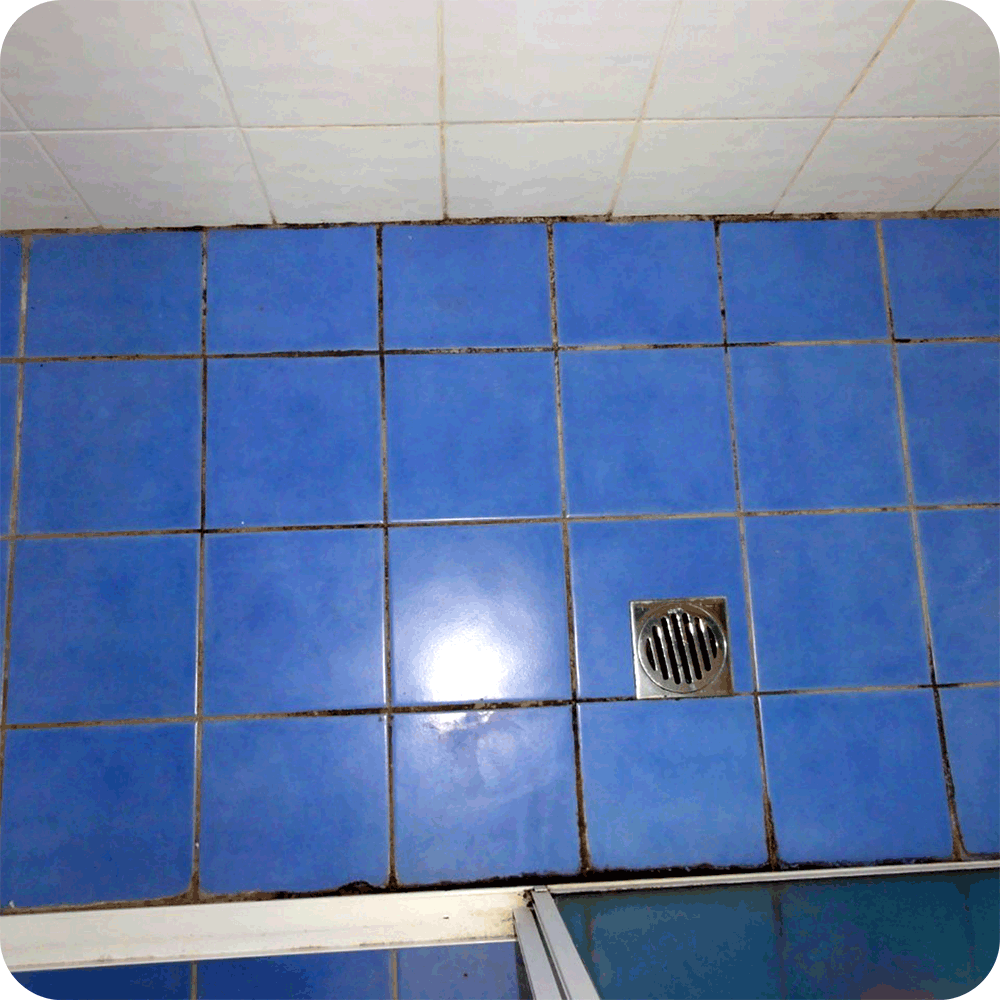
Before Shower Repair Sydney

BEFORE

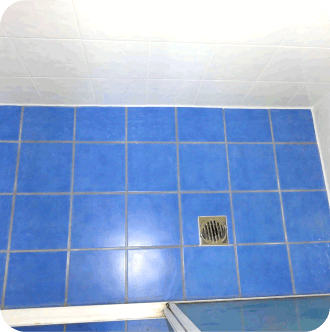
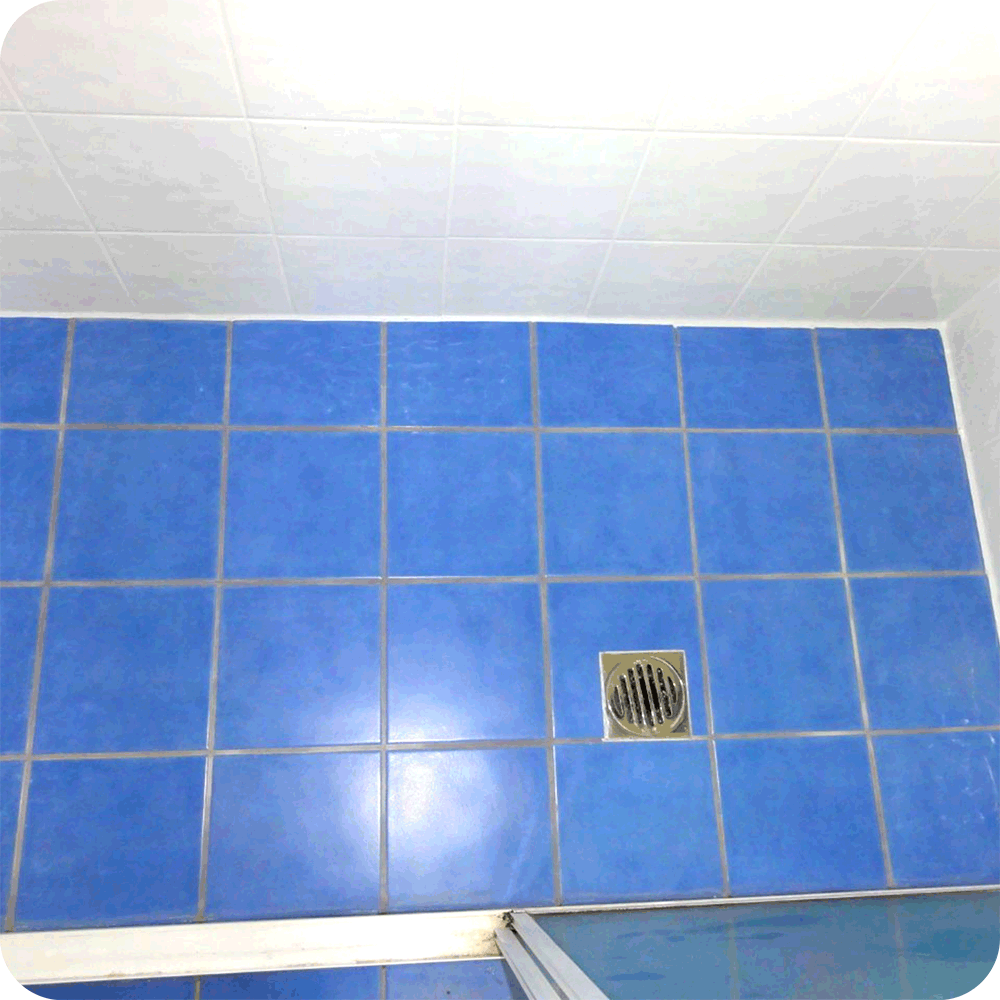
After Shower Repair Sydney

AFTER

Australia’s Most Trusted Shower Repairer

Australia’s Most Awarded Company For Shower Regrout Repair And Tile Regrouting Services In Brisbane, Gold Coast, Sunshine Coast, Sydney, and Central Coast

FAQ’s

The purpose of the grout is to emanate an unblemished tile appearance, while bonding the wall junctions and the floor and wall junctions – preventing wall and floor separation.

Grout mixtures must be selected carefully to make sure that dirt and other outside elements like mould and mildew will not seep into the tiles to avoid discoloration and possible leaks.

There are various ways in which installation can cause cracked grout in shower:

* If mixed with too much water concentration or additives

* If too little adhesive is used in tiles installation

* Cement-based grout can only handle the pressure for so long if a tile pulls away from the wall after the adhesive dries

Fact: Grouting is the weakest link in a tile installation.

Cracked grout in shower mainly happens due to movement between two surfaces with homes inevitably moving in tiny increments because of humidity, foundation settling, and temperature.

Even old or damaged grout can make the most beautiful looking tiles ugly and not to mention, it can cause structural damage to your home. Thus, immediate regrouting shower service is needed.

Regrouting showers and tiles is a quick and budget-friendly fix if mould has already grown into some parts of your bathroom. We highly recommend using epoxy over cement-based when regrouting tiles because it’s stronger, more durable, and only requires light maintenance.

At the first sign of grout damage, you must regrout shower tiles immediately. The longer showers are left with failing grout, the higher the chance that water damage is occurring to the wall behind your tile. The area of damage does not have to incur direct water spray during baths or showers to allow water seepage. Water that sits on the surface of tiles from shower spray or heavy steam will inevitably run behind the broken areas of your grout

Before the invention of the DiamoSmart® System, the old methods of tile regrouting caused small but visible chips to the edges of tiles and diminished the lustre of the edge of the tiles. The DiamoSmart® System eliminated this issue. Our exclusive procedure for regrouting showers is listed below:

* Remove any mouldy or deteriorated sealants such as silicon

* Strip the existing grout out of the walls * Strip out any damaged grout from the floor area

* Strip out grout from around the drain

* Prepare floor and wall junctions using our DiamoSmart® system. This system uses a diamond-tipped blade for regrouting bathroom tiles, removing the sheen from the tile edge creating a small gully in wall and floor junctions.

* Inject our SealRight sealant into the gully so it bonds the wall junctions and the floor and wall junctions – preventing wall and floor separation.

* Regrout bathroom walls and floor using commercial grade mould retardant grout

* Apply silicon to the internal areas of the shower screen

* Coat the internal shower area with our hydro barrier sealant creating an invisible glove to prevent water penetration. This sealant is painted or sprayed on the wall and floor tiles, waterproofing grout surface and beneath it. This soaks in and seals anything that is porous, such as grout lines and hairline cracks.


When regrouting showers and tiles, the type of grout matters and you should know that Epoxy grout is the most superior of all. Here’s why.

Unlike traditional grouts, Epoxy grout is made of two-part epoxy resins which are mixed with filler powder.

What does that mean?

Its composition makes it:

* Waterproof
* Nearly 100% resistant to stains
* Highly resistant to chemicals and physical pressure
* Doesn’t need sealing
* Low maintenance

These characteristics make Epoxy grout the best for regrouting shower and bathroom tiles. Its stain, crack and chemical-resistant properties make it suitable for areas with high traffic whilst its resistance to climate changes make it ideal for locations with harsh weather conditions, excessive amounts of humidity or severe cold. What’s even more interesting is that Epoxy grout’s colour remains constant throughout. The pigment of traditional grout can diminish easily during cleaning.

Moisture and direct water contact contribute to grout deterioration over time, and eventually, the tiles will crack. This is why you should consider regrouting shower tiles every six months. This is a quick and budget-friendly fix that can restore your bathroom’s previous glow immediately.

You should know that you need to call in a professional to do the tile regrouting for you. Even if you possess excellent handyman skills, small mistakes can lead to extensive damage to your grout and tiles. The cost to regrout shower is expensive and if the grout is not installed correctly, moisture can seep into small holes, causing mould and mildew growth, and may cause you to call for a regrout service earlier than expected.

Cement-based grout is actually the weakest link in tile installation because of its many drawbacks with the major being its porous nature. Its pores allow dirt and other outside elements to find their way into the grout, causing staining and allowing mould and grime to embed themselves into the grout, which requires an urgent regrouting shower service.

The best way to prevent grout from cracking is by using Epoxy grout which is strong, durable and requires light maintenance. Whilst it costs higher than cement-based grout, it lasts much longer, negating the cost to regrout shower.