


Author: Mark Studdert
Shower waterproofing in Australian-style bathrooms typically lasts 10–25+ years, with high-quality systems often going well beyond 20 years if installed correctly and maintained. Many contractors and insurers also use 10-year product or workmanship warranties as a benchmark, but this does not mean the waterproofing “expires” exactly at that point.
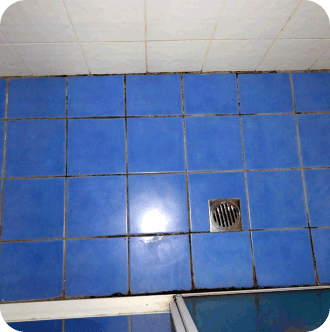
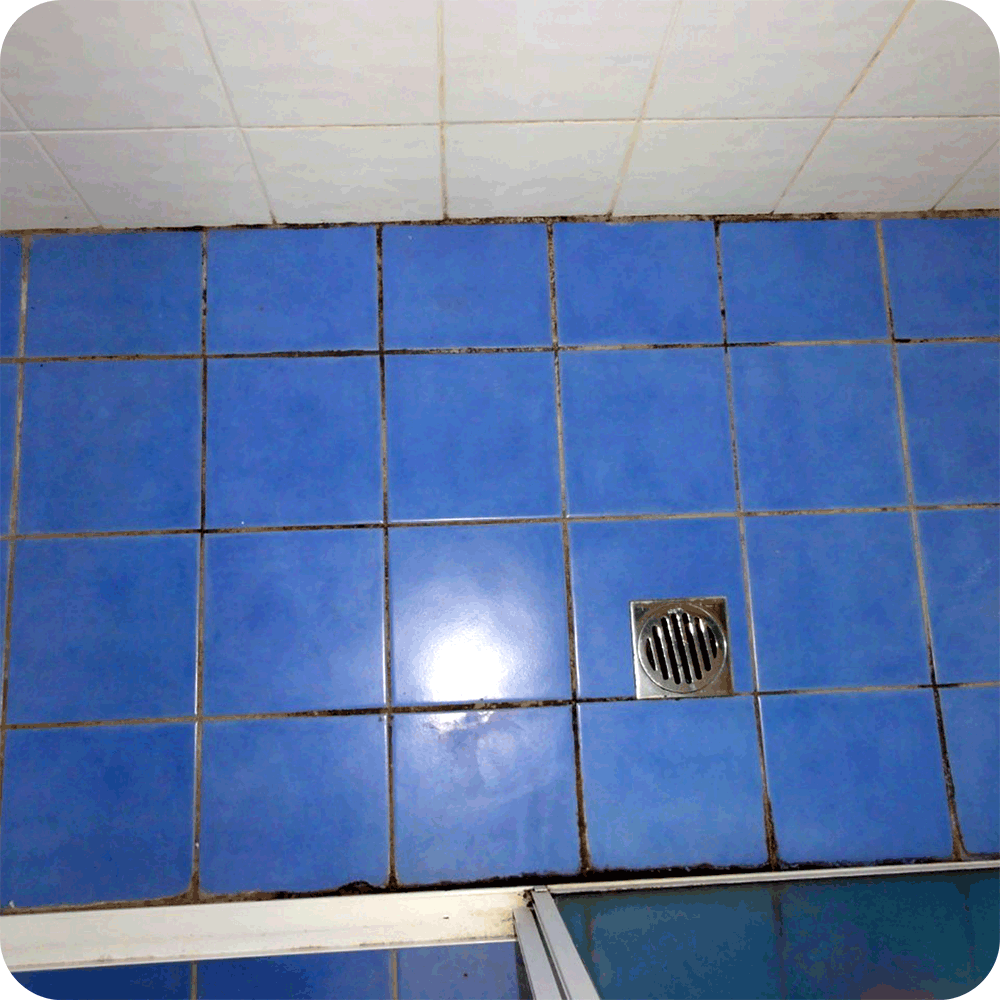
Like every material in your home, waterproofing is not permanent. It ages through a combination of thermal expansion and contraction, constant moisture exposure, soap and chemical residues, building movement, and general wear over time. When these forces start to break down the waterproofing system, you may notice cracked grout, peeling silicone, loose tiles, mould growth, damp smells, bubbling paint, or water stains near the shower area.
In this blog, we’ll explain how long shower waterproofing usually lasts, the different waterproofing products used in Australian bathrooms, and how The Shower Repair Centre waterproofs leaking bathrooms without removing tiles in most cases.
How Long Do Different Waterproofing Systems Last?
In Australia, waterproofing requirements for wet areas are guided by the National Construction Code and Australian waterproofing standards. The Victorian Building Authority notes that shower areas must be waterproofed under NCC requirements, while AS 3740:2021 sets out waterproofing requirements for domestic wet areas such as bathrooms, showers, laundries, and kitchens.
However, not all waterproofing products work the same way or last the same amount of time.
1. Liquid-Applied Remedial Membranes
Liquid-applied remedial membranes are clear or tinted coatings applied over existing tiles and grout. These are often used when a shower needs to be re-sealed without removing tiles.
They can be useful for surface-level leaks, minor grout issues, or tired shower areas where the tiles are still structurally sound.
Typical lifespan: Around 5–10+ years, depending on the product, preparation, use, and maintenance.
Best for: Minor surface leaks and shower areas where the underlying structure is still in good condition.
Limitations: They may not be suitable if the underlying membrane has completely failed or there is major movement behind the tiles.
2. Penetrative Grout and Tile Sealers
Penetrative sealers soak into porous grout and tiles rather than forming a thick coating over the surface. They are often used to reduce water absorption in grout lines, natural stone, or porous tile surfaces.
Typical lifespan: Around 1–5 years, depending on product quality and cleaning habits.
Best for: Hairline grout issues, porous grout, and preventative maintenance.
Limitations: They do not fix failed waterproofing membranes or structural movement.
3. Epoxy-Based Repairs and Grout Systems
Epoxy grout is harder and less porous than traditional cement-based grout. It is often used when old grout has failed or where extra water resistance is needed.
Typical lifespan: 10+ years when installed correctly.
Best for: Repointing damaged grout lines and improving water resistance.
Limitations: Epoxy is rigid, so it should be used carefully in areas that experience movement. Flexible sealants are still important around joints, corners, and wall-to-floor junctions.
4. Flexible Sealants and Joint Repairs
Flexible sealants, including silicone and other joint sealants, are used around shower perimeters, corners, frames, and wall-to-floor junctions.
These areas often fail before the main waterproofing membrane does because they experience regular movement, moisture, and cleaning product exposure.
Typical lifespan: Around 5–10 years.
Best for: Corners, joins, frames, and visible gaps.
Limitations: Silicone and joint sealants are maintenance items. They are not a complete waterproofing system on their own.
5. Full Waterproofing Membrane With Tile Removal
When a shower has severe waterproofing failure, the traditional method is to remove tiles, repair the substrate, apply a compliant membrane, and re-tile the area.
This is often used in major bathroom renovations or where the shower structure has been badly affected by water damage.
Typical lifespan: 15–25+ years when installed correctly.
Best for: Major waterproofing failure, damaged substrates, or full bathroom rebuilds.
Limitations: It is more expensive, messy, and disruptive because it usually requires demolition and re-tiling.
Summary of Shower Waterproofing Products
| Waterproofing Product | Typical Use | Expected Lifespan | Key Limitation |
| Liquid-applied remedial membrane | Re-sealing over tiles | 5–10+ years | Not for severe membrane failure |
| Penetrative grout/tile sealer | Porous grout or stone | 1–5 years | Won’t fix structural leaks |
| Epoxy grout or coating | Repointing grout lines | 10+ years | Can crack with movement |
| Silicone and joint sealants | Corners, frames, junctions | 5–10 years | Needs regular replacement |
| Full waterproofing membrane | Full rebuild or renovation | 15–25+ years | Requires tile removal |
The key thing to remember is that a shower system is only as strong as its weakest point. Even if the original waterproofing membrane is still performing well, failed grout or deteriorated silicone can still allow water to escape.
What Affects the Lifespan of Shower Waterproofing?
Several factors can influence how long shower waterproofing lasts.
1. Quality of Installation
Poor preparation, rushed application, incorrect curing time, or missed junctions can cause waterproofing to fail earlier than expected.
2. Building Movement
Homes naturally move over time. Even small shifts can crack grout, loosen tiles, or pull silicone away from corners and junctions.
3. Moisture and Ventilation
Bathrooms with poor ventilation tend to stay damp for longer. This can increase mould growth and speed up the breakdown of grout, silicone, and sealants.
4. Cleaning Products
Harsh chemical cleaners can damage grout, silicone, and some surface sealers. Over time, repeated use of strong cleaners may weaken the waterproofing protection.
5. Shower Usage
A shower used multiple times a day will naturally wear faster than a guest bathroom used only occasionally.
6. Maintenance
Regular maintenance plays a major role in how long waterproofing lasts. Replacing failed silicone, repairing cracked grout, and addressing small leaks early can help prevent larger water damage issues.
For more signs to look out for, you can also read SRC’s guide on 5 signs you need a shower repair in your building.
How The Shower Repair Centre Does Waterproofing
At The Shower Repair Centre, the focus is on repairing leaking showers without removing tiles in most cases.
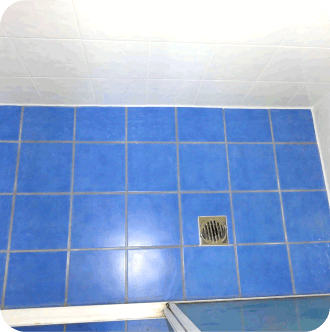
Instead of immediately recommending demolition, SRC inspects the shower to identify where water is escaping. In many leaking showers, the issue comes from failed grout, deteriorated sealant, weakened joints, or water entering through the shower perimeter.
SRC uses its registered DiamoSmart® System and SealRight™ sealant to repair leaking showers and wet areas. The system uses a diamond-tip preparation process to remove weak material and prepare the critical joints before sealing. This system allows leaking showers, balconies, and other wet areas to be repaired without removing tiles in many cases.
SRC’s DiamoSmart® System is designed to prepare the shower properly before sealing. This process removes failed sealants, weak grout, and contaminated material from the key junctions where leaks often begin.
This preparation step is important because waterproofing products need a clean, stable surface to bond correctly.
After preparation, SRC applies its SealRight™ sealant, which is designed to create a durable epoxy seal around the critical leak points in the shower.
This is especially important around the perimeter seal of showers and bathroom floors, which is often one of the main areas that breaks down in wet areas.
SRC backs its shower repairs with a 25-year Product Warranty on its SealRight™ sealant. For balconies, SRC provides a 2-year warranty.
You can learn more about SRC’s process on their waterproofing service page.
Final Thoughts
Shower waterproofing can last anywhere from 10 to 25+ years, but its actual lifespan depends on the quality of the original installation, the products used, how often the shower is used, and how well the area is maintained.
A leaking shower does not always mean the entire bathroom needs to be ripped out. In many cases, leaks can be repaired by targeting the failed grout, sealant, and perimeter joints where water is escaping.
The Shower Repair Centre specialises in repairing leaking showers without removing tiles in most cases, using its DiamoSmart® System and SealRight™ sealant to restore protection in the areas where leaks commonly begin.
If you notice early signs of a leak, it is best to act quickly. Small leaks can become costly water damage problems if left untreated.
FAQs
How long should shower waterproofing last?
Shower waterproofing typically lasts 10–25+ years, depending on the quality of installation, the waterproofing system used, bathroom ventilation, building movement, and regular maintenance.
Does waterproofing need to be replaced after 10 years?
Not always. A 10-year warranty is often used as a benchmark, but it does not mean the waterproofing automatically fails after 10 years. Some systems can last much longer when properly installed and maintained.
Can a leaking shower be fixed without removing tiles?
Yes, in many cases. If the issue is caused by failed grout, deteriorated sealant, or leaking perimeter joints, SRC may be able to repair the shower without removing tiles using its DiamoSmart® System and SealRight™ sealant.
What causes shower waterproofing to fail?
Common causes include poor installation, building movement, cracked grout, failed silicone, harsh cleaning products, poor ventilation, and long-term moisture exposure.
Is silicone the same as waterproofing?
No. Silicone helps seal joints and corners, but it is not the same as a full waterproofing membrane. Silicone is a maintenance item and usually needs to be replaced over time.
How do I know if my shower waterproofing has failed?
Signs may include cracked grout, peeling silicone, loose tiles, damp smells, bubbling paint, mould, water stains, or moisture appearing in adjoining rooms.
Is full tile removal always necessary?
No. Full tile removal is usually only needed when there is major membrane failure, damaged substrate, loose tiles, or serious water damage behind the shower surface.
About the Author:
Mark Studdert is the founder of The Shower Repair Centre, specialising in shower leak repairs, waterproofing, leak detection, and bathroom restoration. With over three decades of experience, he pioneered and patented the DiamoSmart® technology, helping save leaking bathrooms without tile removal in 95% of cases.