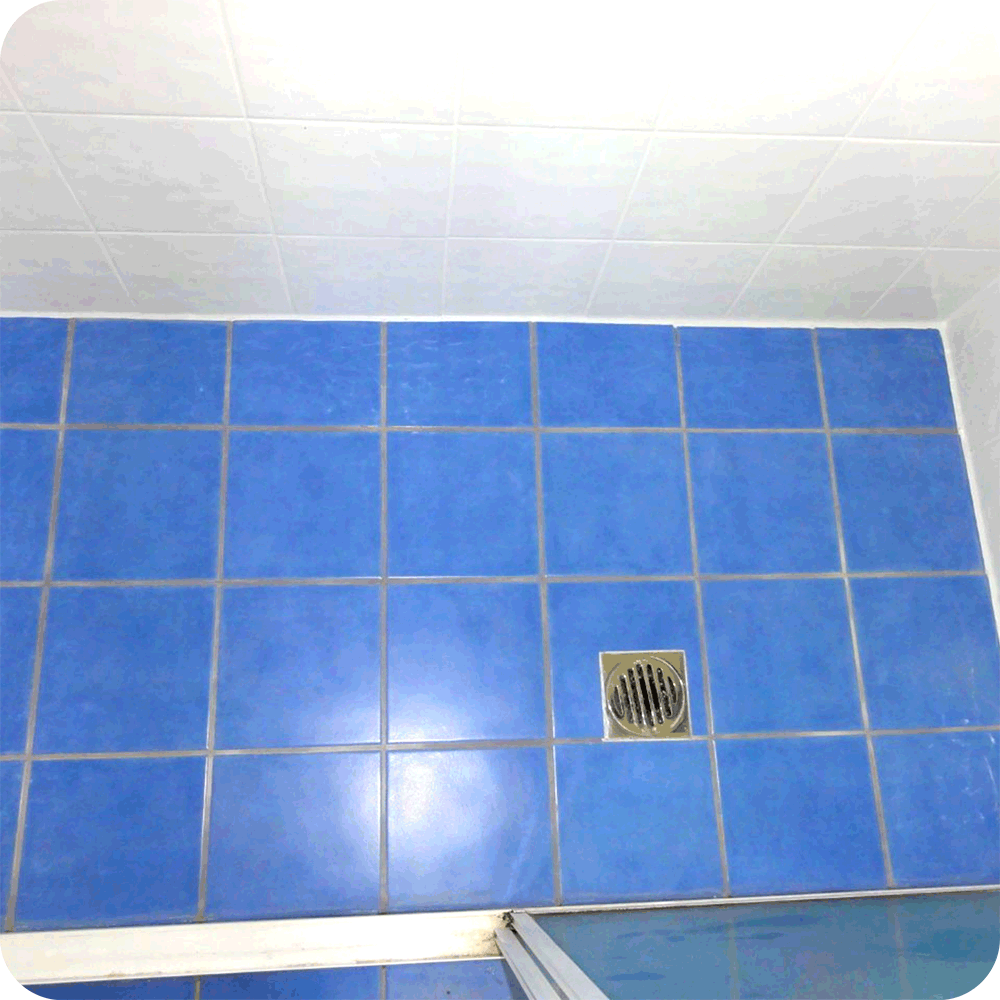



How Long Does Shower Waterproofing Last?

Share this:

Author: Mark Studdert

Shower waterproofing in Australian-style bathrooms typically lasts 10–25+ years, with high-quality systems often going well beyond 20 years if installed correctly and maintained. Many contractors and insurers also use 10-year product or workmanship warranties as a benchmark, but this does not mean the waterproofing “expires” exactly at that point.

Like every material in your home, waterproofing is not permanent. It ages through a combination of thermal expansion and contraction, constant moisture exposure, soap and chemical residues, building movement, and general wear over time. When these forces start to break down the waterproofing system, you may notice cracked grout, peeling silicone, loose tiles, mould growth, damp smells, bubbling paint, or water stains near the shower area.

In this blog, we’ll explain how long shower waterproofing usually lasts, the different waterproofing products used in Australian bathrooms, and how The Shower Repair Centre waterproofs leaking bathrooms without removing tiles in most cases.

How Long Do Different Waterproofing Systems Last?
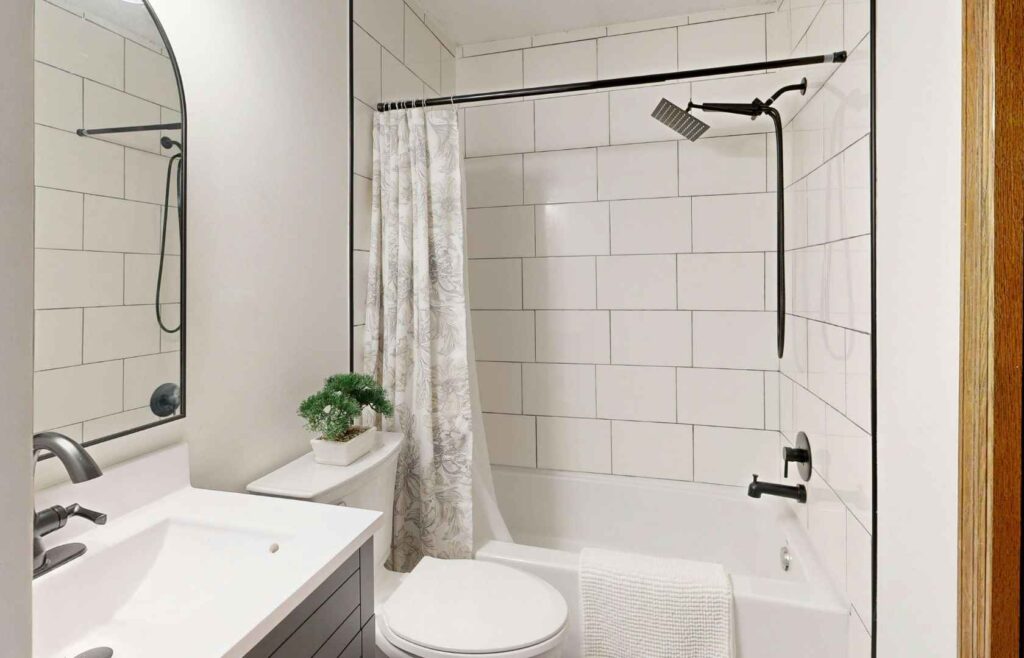
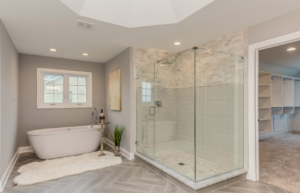
Bathroom with tiled shower over bathtub, highlighting shower waterproofing and protection against leaks in wet areas.

In Australia, waterproofing requirements for wet areas are guided by the National Construction Code and Australian waterproofing standards. The Victorian Building Authority notes that shower areas must be waterproofed under NCC requirements, while AS 3740:2021 sets out waterproofing requirements for domestic wet areas such as bathrooms, showers, laundries, and kitchens. 

However, not all waterproofing products work the same way or last the same amount of time.

1. Liquid-Applied Remedial Membranes

Liquid-applied remedial membranes are clear or tinted coatings applied over existing tiles and grout. These are often used when a shower needs to be re-sealed without removing tiles.

They can be useful for surface-level leaks, minor grout issues, or tired shower areas where the tiles are still structurally sound.

Typical lifespan: Around 5–10+ years, depending on the product, preparation, use, and maintenance.

Best for: Minor surface leaks and shower areas where the underlying structure is still in good condition.

Limitations: They may not be suitable if the underlying membrane has completely failed or there is major movement behind the tiles.

2. Penetrative Grout and Tile Sealers

Penetrative sealers soak into porous grout and tiles rather than forming a thick coating over the surface. They are often used to reduce water absorption in grout lines, natural stone, or porous tile surfaces.

Typical lifespan: Around 1–5 years, depending on product quality and cleaning habits.

Best for: Hairline grout issues, porous grout, and preventative maintenance.

Limitations: They do not fix failed waterproofing membranes or structural movement.

3. Epoxy-Based Repairs and Grout Systems

Epoxy grout is harder and less porous than traditional cement-based grout. It is often used when old grout has failed or where extra water resistance is needed.

Typical lifespan: 10+ years when installed correctly.

Best for: Repointing damaged grout lines and improving water resistance.

Limitations: Epoxy is rigid, so it should be used carefully in areas that experience movement. Flexible sealants are still important around joints, corners, and wall-to-floor junctions.

4. Flexible Sealants and Joint Repairs

Flexible sealants, including silicone and other joint sealants, are used around shower perimeters, corners, frames, and wall-to-floor junctions.

These areas often fail before the main waterproofing membrane does because they experience regular movement, moisture, and cleaning product exposure.

Typical lifespan: Around 5–10 years.

Best for: Corners, joins, frames, and visible gaps.

Limitations: Silicone and joint sealants are maintenance items. They are not a complete waterproofing system on their own.

5. Full Waterproofing Membrane With Tile Removal

When a shower has severe waterproofing failure, the traditional method is to remove tiles, repair the substrate, apply a compliant membrane, and re-tile the area.

This is often used in major bathroom renovations or where the shower structure has been badly affected by water damage.

Typical lifespan: 15–25+ years when installed correctly.

Best for: Major waterproofing failure, damaged substrates, or full bathroom rebuilds.

Limitations: It is more expensive, messy, and disruptive because it usually requires demolition and re-tiling.

Summary of Shower Waterproofing Products

Waterproofing ProductTypical UseExpected LifespanKey Limitation
Liquid-applied remedial membraneRe-sealing over tiles5–10+ yearsNot for severe membrane failure
Penetrative grout/tile sealerPorous grout or stone1–5 yearsWon’t fix structural leaks
Epoxy grout or coatingRepointing grout lines10+ yearsCan crack with movement
Silicone and joint sealantsCorners, frames, junctions5–10 yearsNeeds regular replacement
Full waterproofing membraneFull rebuild or renovation15–25+ yearsRequires tile removal

The key thing to remember is that a shower system is only as strong as its weakest point. Even if the original waterproofing membrane is still performing well, failed grout or deteriorated silicone can still allow water to escape.

What Affects the Lifespan of Shower Waterproofing?

Several factors can influence how long shower waterproofing lasts.

1. Quality of Installation

Poor preparation, rushed application, incorrect curing time, or missed junctions can cause waterproofing to fail earlier than expected.

2. Building Movement

Homes naturally move over time. Even small shifts can crack grout, loosen tiles, or pull silicone away from corners and junctions.

3. Moisture and Ventilation

Bathrooms with poor ventilation tend to stay damp for longer. This can increase mould growth and speed up the breakdown of grout, silicone, and sealants.

4. Cleaning Products

Harsh chemical cleaners can damage grout, silicone, and some surface sealers. Over time, repeated use of strong cleaners may weaken the waterproofing protection.

5. Shower Usage

A shower used multiple times a day will naturally wear faster than a guest bathroom used only occasionally.

6. Maintenance

Regular maintenance plays a major role in how long waterproofing lasts. Replacing failed silicone, repairing cracked grout, and addressing small leaks early can help prevent larger water damage issues.

For more signs to look out for, you can also read SRC’s guide on 5 signs you need a shower repair in your building.

How The Shower Repair Centre Does Waterproofing

At The Shower Repair Centre, the focus is on repairing leaking showers without removing tiles in most cases.

Instead of immediately recommending demolition, SRC inspects the shower to identify where water is escaping. In many leaking showers, the issue comes from failed grout, deteriorated sealant, weakened joints, or water entering through the shower perimeter.

SRC uses its registered DiamoSmart® System and SealRight™ sealant to repair leaking showers and wet areas. The system uses a diamond-tip preparation process to remove weak material and prepare the critical joints before sealing. This system allows leaking showers, balconies, and other wet areas to be repaired without removing tiles in many cases. 

SRC’s DiamoSmart® System is designed to prepare the shower properly before sealing. This process removes failed sealants, weak grout, and contaminated material from the key junctions where leaks often begin.

This preparation step is important because waterproofing products need a clean, stable surface to bond correctly.

After preparation, SRC applies its SealRight™ sealant, which is designed to create a durable epoxy seal around the critical leak points in the shower.

This is especially important around the perimeter seal of showers and bathroom floors, which is often one of the main areas that breaks down in wet areas.

SRC backs its shower repairs with a 25-year Product Warranty on its SealRight™ sealant. For balconies, SRC provides a 2-year warranty.

You can learn more about SRC’s process on their waterproofing service page.

Final Thoughts

Shower waterproofing can last anywhere from 10 to 25+ years, but its actual lifespan depends on the quality of the original installation, the products used, how often the shower is used, and how well the area is maintained.

A leaking shower does not always mean the entire bathroom needs to be ripped out. In many cases, leaks can be repaired by targeting the failed grout, sealant, and perimeter joints where water is escaping.

The Shower Repair Centre specialises in repairing leaking showers without removing tiles in most cases, using its DiamoSmart® System and SealRight™ sealant to restore protection in the areas where leaks commonly begin.

If you notice early signs of a leak, it is best to act quickly. Small leaks can become costly water damage problems if left untreated.

FAQs

How long should shower waterproofing last?

Shower waterproofing typically lasts 10–25+ years, depending on the quality of installation, the waterproofing system used, bathroom ventilation, building movement, and regular maintenance.

Does waterproofing need to be replaced after 10 years?

Not always. A 10-year warranty is often used as a benchmark, but it does not mean the waterproofing automatically fails after 10 years. Some systems can last much longer when properly installed and maintained.

Can a leaking shower be fixed without removing tiles?

Yes, in many cases. If the issue is caused by failed grout, deteriorated sealant, or leaking perimeter joints, SRC may be able to repair the shower without removing tiles using its DiamoSmart® System and SealRight™ sealant.

What causes shower waterproofing to fail?

Common causes include poor installation, building movement, cracked grout, failed silicone, harsh cleaning products, poor ventilation, and long-term moisture exposure.

Is silicone the same as waterproofing?

No. Silicone helps seal joints and corners, but it is not the same as a full waterproofing membrane. Silicone is a maintenance item and usually needs to be replaced over time.

How do I know if my shower waterproofing has failed?

Signs may include cracked grout, peeling silicone, loose tiles, damp smells, bubbling paint, mould, water stains, or moisture appearing in adjoining rooms.

Is full tile removal always necessary?

No. Full tile removal is usually only needed when there is major membrane failure, damaged substrate, loose tiles, or serious water damage behind the shower surface.

About the Author: 

Mark Studdert is the founder of The Shower Repair Centre, specialising in shower leak repairs, waterproofing, leak detection, and bathroom restoration. With over three decades of experience, he pioneered and patented the DiamoSmart® technology, helping save leaking bathrooms without tile removal in 95% of cases. 

Recommended Articles:
Modern tiled bathroom with glass shower screen, bathtub and vanity, highlighting shower waterproofing and wet area protection.

How Long Does Shower Waterproofing Last?

Author: Mark Studdert Shower waterproofing in Australian-style bathrooms typically lasts 10–25+ years, with high-quality systems often going well beyond 20 years if installed correctly and maintained. Many contractors and insurers also use 10-year product or workmanship warranties as a benchmark, but this does not mean the waterproofing “expires” exactly at that point. Like every material in your home, waterproofing is not permanent. It ages through a combination of thermal expansion and contraction, constant moisture exposure, soap and chemical residues, building movement, and general wear over time. When these forces start to break down the waterproofing system, you may notice cracked grout, peeling silicone, loose tiles, mould growth, damp smells, bubbling paint, or water stains near the shower area. In this blog, we’ll explain how long shower waterproofing usually lasts, the different waterproofing products used in Australian bathrooms, and how The Shower Repair Centre waterproofs leaking bathrooms without removing tiles in most cases. How Long Do Different Waterproofing Systems Last? In Australia, waterproofing requirements for wet areas are guided by the National Construction Code and Australian waterproofing standards. The Victorian Building Authority notes that shower areas must be waterproofed under NCC requirements, while AS 3740:2021 sets out waterproofing requirements for domestic wet areas such as bathrooms, showers, laundries, and kitchens.  However, not all waterproofing products work the same way or last the same amount of time. 1. Liquid-Applied Remedial Membranes Liquid-applied remedial membranes are clear or tinted coatings applied over existing tiles and grout. These are often used when a shower needs to be re-sealed without removing tiles. They can be useful for surface-level leaks, minor grout issues, or tired shower areas where the tiles are still structurally sound. Typical lifespan: Around 5–10+ years, depending on the product, preparation, use, and maintenance. Best for: Minor surface leaks and shower areas where the underlying structure is still in good condition. Limitations: They may not be suitable if the underlying membrane has completely failed or there is major movement behind the tiles. 2. Penetrative Grout and Tile Sealers Penetrative sealers soak into porous grout and tiles rather than forming a thick coating over the surface. They are often used to reduce water absorption in grout lines, natural stone, or porous tile surfaces. Typical lifespan: Around 1–5 years, depending on product quality and cleaning habits. Best for: Hairline grout issues, porous grout, and preventative maintenance. Limitations: They do not fix failed waterproofing membranes or structural movement. 3. Epoxy-Based Repairs and Grout Systems Epoxy grout is harder and less porous than traditional cement-based grout. It is often used when old grout has failed or where extra water resistance is needed. Typical lifespan: 10+ years when installed correctly. Best for: Repointing damaged grout lines and improving water resistance. Limitations: Epoxy is rigid, so it should be used carefully in areas that experience movement. Flexible sealants are still important around joints, corners, and wall-to-floor junctions. 4. Flexible Sealants and Joint Repairs Flexible sealants, including silicone and other joint sealants, are used around shower perimeters, corners, frames, and wall-to-floor junctions. These areas often fail before the main waterproofing membrane does because they experience regular movement, moisture, and cleaning product exposure. Typical lifespan: Around 5–10 years. Best for: Corners, joins, frames, and visible gaps. Limitations: Silicone and joint sealants are maintenance items. They are not a complete waterproofing system on their own. 5. Full Waterproofing Membrane With Tile Removal When a shower has severe waterproofing failure, the traditional method is to remove tiles, repair the substrate, apply a compliant membrane, and re-tile the area. This is often used in major bathroom renovations or where the shower structure has been badly affected by water damage. Typical lifespan: 15–25+ years when installed correctly. Best for: Major waterproofing failure, damaged substrates, or full bathroom rebuilds. Limitations: It is more expensive, messy, and disruptive because it usually requires demolition and re-tiling. Summary of Shower Waterproofing Products Waterproofing Product Typical Use Expected Lifespan Key Limitation Liquid-applied remedial membrane Re-sealing over tiles 5–10+ years Not for severe membrane failure Penetrative grout/tile sealer Porous grout or stone 1–5 years Won’t fix structural leaks Epoxy grout or coating Repointing grout lines 10+ years Can crack with movement Silicone and joint sealants Corners, frames, junctions 5–10 years Needs regular replacement Full waterproofing membrane Full rebuild or renovation 15–25+ years Requires tile removal The key thing to remember is that a shower system is only as strong as its weakest point. Even if the original waterproofing membrane is still performing well, failed grout or deteriorated silicone can still allow water to escape. What Affects the Lifespan of Shower Waterproofing? Several factors can influence how long shower waterproofing lasts. 1. Quality of Installation Poor preparation, rushed application, incorrect curing time, or missed junctions can cause waterproofing to fail earlier than expected. 2. Building Movement Homes naturally move over time. Even small shifts can crack grout, loosen tiles, or pull silicone away from corners and junctions. 3. Moisture and Ventilation Bathrooms with poor ventilation tend to stay damp for longer. This can increase mould growth and speed up the breakdown of grout, silicone, and sealants. 4. Cleaning Products Harsh chemical cleaners can damage grout, silicone, and some surface sealers. Over time, repeated use of strong cleaners may weaken the waterproofing protection. 5. Shower Usage A shower used multiple times a day will naturally wear faster than a guest bathroom used only occasionally. 6. Maintenance Regular maintenance plays a major role in how long waterproofing lasts. Replacing failed silicone, repairing cracked grout, and addressing small leaks early can help prevent larger water damage issues. For more signs to look out for, you can also read SRC’s guide on 5 signs you need a shower repair in your building. How The Shower Repair Centre Does Waterproofing At The Shower Repair Centre, the focus is on repairing leaking showers without removing tiles in most cases. Instead of immediately recommending demolition, SRC inspects the shower to identify where water is escaping. In many leaking showers, the issue comes from failed grout, deteriorated sealant, weakened

Read More »
Technician inspecting and repairing a shower floor drain, relevant to home insurance coverage for shower repair and water damage.

Is shower repair covered by home insurance?

Shower repair is not always covered by home insurance. In most cases, policies only cover sudden and accidental water damage, such as a burst pipe or unexpected leak. Issues caused by wear and tear, failed waterproofing, cracked grout, poor maintenance, or long-term leaks are usually excluded. In this blog, we’ll unpack the inconvenient truths about shower repair, water damage, and insurance claims, including what insurers typically look for and how to better prepare your claim when coverage may apply. Home insurance rule for water damage Water damage has become one of the biggest risks for Australian homeowners. According to Chubb Australia, water damage accounts for 34% of property claims, which is more than double the rate of fire-related claims at 16%. The cost of these claims has also risen sharply. From 2014 to 2018, water damage claims increased by 72%, with the average claim cost rising from A$17,627 to A$30,361. The risk is even higher in Western Australia and Victoria, where claim rates are reported to be 20% above the national average, according to Plumber Magazine. Before diving into the specifics, everything in home insurance coverage for water damage comes down to a single principle that Australian insurers apply universally: “If it occurs all at once, it’s covered. If it drags on, it isn’t.” This isn’t informal advice. It reflects the explicit policy language used by major Australian insurers, including AAMI, Suncorp, and CommBank. Your policy covers sudden and accidental damage caused by a defined event. It does not cover gradual deterioration, wear and tear, or damage that could have been prevented with routine maintenance. For showers specifically, this distinction is brutal. The vast majority of shower leaks, including failed waterproofing membranes, cracked grout, and degraded sealant, are gradual by nature. They develop slowly over the years. And that means they fall squarely into the excluded category, regardless of how severe the resulting damage becomes. Important: Waterproofing membranes have a lifespan of just 10–15 years. When they fail, and they will, that failure is classified as a maintenance issue, not an insurable event, by virtually every Australian insurer. What is and isn’t covered for shower damage? Here is the practical coverage breakdown for Australian homeowners, based on standard policy terms from AAMI, Suncorp, Allianz, and CommBank: Likely covered Not covered Sudden burst pipe in shower wallAccidental overflow — single eventResulting damage to floors/walls/ceilings if the cause is sudden fire or smoke damage to the bathroom Gradual escape of liquidFaulty or leaking shower recess/baseWear and tear / poor maintenanceFailed waterproofing membranePoor installation or workmanshipMould from a neglected leak Critical distinction: Even when consequential water damage is covered, the cost to fix the shower itself remains your responsibility. Insurance pays for what the leak damaged, not the source of the leak. One often-overlooked hazard: burst flexi-hoses.  Suncorp data shows flexi-hoses account for 1 in 10 water damage claims in Australia, with an average claim cost exceeding A$27,500. Around 30% of inspected hoses need replacement. Because a flexi-hose failure is sudden, it typically is covered, but the shower or vanity itself still isn’t. The real financial cost when you’re not covered Understanding what you’ll likely be paying out of pocket is essential for planning. Industry data shows undetected leaks can add A$300–$1,200 per year to your water bills alone before any structural damage is factored in. Type of Repair Estimated Cost Basic shower repair/renovation A$1,000–$5,000 Structural damage repair A$10,000–$25,000 Mould remediation A$2,000–$8,000 Professional waterproofing (preventive) A$500–$1,500 Chubb Australia’s data shows the average water damage claim has grown from A$17,627 in 2014 to A$30,361 by 2018 — a 72% increase in just four years. Water damage now accounts for 34% of all property claims, nearly four times the rate of burglary claims (9%) and double the rate of fire claims (16%). For Western Australian homeowners, the picture is even starker. WA records claim rates 20% above the national average, alongside Victoria, driven by local building methods and ageing infrastructure. Nearly 40% of Australians have experienced water leaks from heavy rain, according to NRMA Insurance’s 2024 data, yet fewer than 20% of homeowners take active precautions against water damage. How to file a claim and strengthen your position If your shower damage was caused by a sudden event (such as a burst pipe), here’s how to give your claim the best chance of success: Document immediately.  Photograph and video the damage before touching anything. Timestamps matter. Mitigate further damage.  Shut off the water supply and dry the area — but don’t make permanent repairs before the adjuster visits. Get a plumber’s report.  A written statement confirming the cause was sudden and accidental (e.g. pipe failure, not gradual corrosion) significantly strengthens your claim. Show your maintenance records. Receipts for past grout repairs, resealing, or plumber inspections demonstrate you weren’t negligent which can be decisive for borderline claims. Understand your excess.  Many water damage claims cost A$5,000–$10,000. Factor in your policy excess before deciding whether to lodge a claim at all, as claims can affect future premiums. If your claim is denied: You can request an internal review, escalate to the Australian Financial Complaints Authority (AFCA), or engage a public loss assessor to argue on your behalf. A denied claim is not always final. Final thoughts The bottom line is that shower repair itself is rarely covered by home insurance in Australia unless the damage is caused by a sudden, unexpected event. Gradual leaks from worn grout, failed membranes, ageing sealant, or poor maintenance are usually excluded. With water damage claims rising by 72% and WA claim rates sitting 20% above the national average, proactive shower maintenance is one of the most cost-effective ways to protect your property. This is where The Shower Repair Centre can help. By identifying and repairing leaking showers early, often without the need for tile removal, our team helps homeowners prevent small leaks from becoming major water damage issues. If you’ve noticed signs of a leaking shower, such as cracked grout, mould, musty smells, loose tiles, or water stains, contact us

Read More »
Well maintained modern bathroom

Top Four Shower Maintenance Tips For Property Owners

Author: Mark Studdert Updated: May 13, 2026 A well-maintained bathroom isn’t just about presentation. Over the years, we’ve seen how small issues left untreated can turn into major water damage problems, with failed waterproofing repairs often costing between $5,000 to $15,000, and even standard leak repairs reaching thousands of dollars. On the other hand, keeping your bathroom properly maintained can add real value to your property. Property experts suggest that an updated and well-looked-after bathroom can increase a home’s value by up to 5%, making preventative maintenance a smart long-term investment. That’s why regular shower maintenance matters, whether you’re a homeowner, landlord, property manager, hotel, hospital, or managing strata properties. A little attention early can help avoid much bigger and more expensive problems later on. How much does a bathroom renovation cost in Australia? Current data shows bathroom issues in Australia often stem from waterproofing failures or leaks, driving repair costs higher than basic upkeep. Repair Type Average Cost Range (2026) Common Causes Waterproofing failure remediation $5,000–$15,000  Inadequate membranes, poor application General leak/waterproofing repairs $800–$8,000  Tile removal, substrate damage Annual professional inspection $200–$400  Early detection prevents major fixes Full renovation (if ignored) $20,000–$35,000 median  Escalated from unrepaired damage These figures are national averages; costs rise 15-20% in high-demand areas like Sydney. So instead of spending on an expensive renovation, regular shower maintenance should be done by property owners to catch small leaks, loose tiles, and failed seals early before they turn into major waterproofing damage. By booking routine inspections and repairs, property owners can help protect their bathroom, avoid unnecessary renovation costs, and extend the life of their shower. Top Four Shower Maintenance Tips At The Shower Repair Centre, we’ve spent more than 28 years helping Australians prevent shower leaks and avoid unnecessary bathroom renovations.  Here are four simple but highly effective shower maintenance tips every property owner should know. 1. Protect Your Shower Screen with a Glass Sealer One of the most overlooked parts of shower maintenance is protecting the shower screen glass. Applying a professional glass sealer helps reduce soap scum buildup, hard water stains, and mineral deposits that can permanently damage the glass over time. This issue is commonly referred to as “glass cancer,” where harsh chemicals and mineral exposure slowly deteriorate the surface of the glass. Benefits of applying a shower screen sealer include: Together with regular maintenance, a quality glass sealer can help extend the life of your shower screen by up to three years after application. For ongoing protection, it’s also recommended to wipe down your shower glass after use and avoid leaving strong cleaning chemicals on the surface for extended periods. 2. Choose Larger Tiles for Easier Maintenance If your bathroom requires repairs or refurbishment, choosing larger-format tiles can significantly improve both maintenance and appearance. Large tiles have become increasingly popular in modern bathroom renovations because they offer both aesthetic and practical benefits. Why larger shower tiles are beneficial: Because grout lines are one of the most common areas where leaks and mould issues begin, reducing the number of grout joints can help improve long-term shower performance. If you’re comparing tile and grout solutions, you may also find this guide helpful:Cement-Based Grout vs. Epoxy Grout: Which Is Better for Your Shower? 3. Regularly Check and Maintain Shower Grout Cracked or deteriorating grout is one of the earliest warning signs of shower leaks. Over time, moisture, movement, and cleaning chemicals can weaken traditional grout, allowing water to seep behind tiles. Left untreated, this can result in mould growth, structural damage, and expensive repairs. Signs your shower grout may need attention: Routine inspections can help property owners identify small issues before they become major problems. For more than 25 years, our team has specialised in repairing leaking showers without removing tiles using the innovative DiamoSmart system® and SealRight™ sealant technology. Related Internal Link:How to Maintain Shower Repairs to Last Longer 4. Improve Bathroom Ventilation to Reduce Moisture Poor bathroom ventilation can contribute to mould growth, grout deterioration, peeling paint, and unpleasant odours. After every shower, moisture builds up in enclosed spaces. Without proper airflow, this excess humidity can slowly damage surfaces throughout the bathroom. Simple ways to improve bathroom ventilation include: According to the Australian Government Department of Health, excessive indoor moisture and mould can negatively impact indoor air quality and health, making proper ventilation especially important in wet areas. Conclusion: Prevent Costly Shower Repairs with Regular Maintenance Small maintenance habits today can help property owners avoid expensive bathroom repairs later. Whether you’re managing a family home, investment property, hotel, hospital, strata building, or commercial property, proactive shower maintenance plays a major role in protecting your bathroom and preserving property value. With more than 100,000 showers repaired across Australia, The Shower Repair Centre continues to help Australians repair leaking showers without removing tiles. If you’d like professional advice or assistance with shower repairs, contact our team today or call 1300 888 806. FAQ How often should I reseal shower grout? Inspect grout every 12 months and reseal every 1–2 years. Cracking, discolouration, or recurring mould are signs it’s overdue. Can a leaking shower be repaired without removing tiles?  Yes. Using the DiamoSmart® and SealRight™ systems, leaking showers can be fixed without tile removal, saving time and cost. What causes glass cancer, and how do I prevent it?  Hard water minerals and soap scum permanently etch glass over time. Apply a professional glass sealer and wipe down the screen after each use. How does poor ventilation damage my shower?  Trapped moisture accelerates mould, grout deterioration, and peeling paint. Run an exhaust fan during and for 15 minutes after every shower. What are the early warning signs of a leaking shower? Watch for cracked grout, loose tiles, recurring mould, musty smells, or water stains outside the shower area. Get a professional inspection early. About the Author Mark Studdert is the founder of The Shower Repair Centre, specialising in shower leak repairs, waterproofing, leak detection, and bathroom restoration. With over three decades of experience, he pioneered and

Read More »
Fully Licensed and Insured

WITH A COMPREHENSIVE QUALITY CONTROL PROGRAM

Our team has quality as its central focus with two full time quality control managers ensuring we maintain the highest possible standards on each and every job. It is important to note that we are the exclusive distributors of DiamoSmart® Systems. Our technicians are fully trained and licensed operators of this waterproofing system.

REGROUTING SHOWERS & TILES

Australia's Most Awarded Company For Shower Regrout Repair And Tile Regrouting Services In Brisbane, Gold Coast, Sunshine Coast, Sydney, and Central Coast

Regrouting Tiles And Regrouting Showers For Over 23 Years

With over 23 years of experience and 70,000 showers repaired to date, we guarantee that every shower regrout repair we will do for our clients is nothing short of what we will do for ourselves. You can have complete confidence that we will deliver the highest level of shower and tile regrouting service that backs up your company standards.

Australia's Most Awarded Shower Repairer

Over 70,000 Showers Repaired

25-Year Product Warranty

24 Years In Business

Pioneered and Patented the DiamoSmart® System

Introduced and Uses SealRight SealRight™ & HydroBarrier Sealant

SETTING NEW BENCHMARKS WITH OUR HIGH QUALITY REGROUTING SHOWER SERVICE

There are many ways you can renovate your bathroom but if you’re looking for a quick and budget-friendly fix, regrouting tiles is the key.

The DiamoSmart® System, copies of which are now used throughout the industry, was pioneered by our founder, Mark Studdert. Before its invention, Mark noticed that the old method of regrouting showers caused small but visible chips to the edges of tiles and diminished the lustre of the tiles’ edge. He designed a small diamond-tipped grouter that would eliminate these issues when regrouting bathroom tiles. Our team offers a Diamond Re-Grout Service where we strip off existing grout and replace it with a premium Epoxy grout, which is more resistant to stains, cracks, harsh weather conditions, chemicals, and climate changes than traditional grout. This makes it suitable for areas with high traffic and since it’s a waterproofing grout, it improves not only the bathroom’s aesthetics but also its functionality.

Why Choose The Shower Repair Centre For Shower And Tile Regrouting

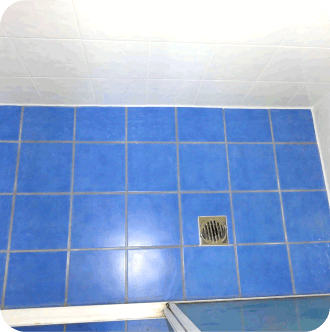
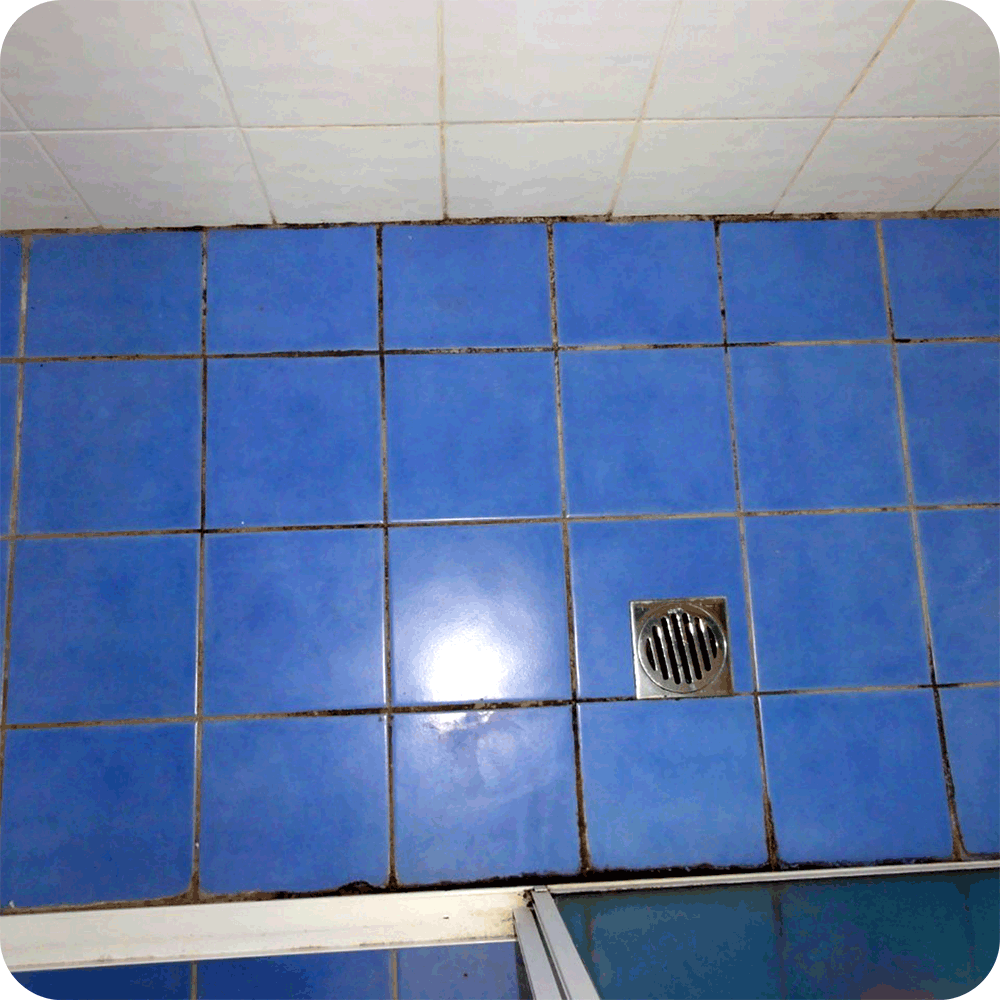
Before Shower Repair Sydney

BEFORE

After Shower Repair Sydney

AFTER

Australia’s Most Trusted Shower Repairer

Australia’s Most Awarded Company For Shower Regrout Repair And Tile Regrouting Services In Brisbane, Gold Coast, Sunshine Coast, Sydney, and Central Coast

FAQ’s

The purpose of the grout is to emanate an unblemished tile appearance, while bonding the wall junctions and the floor and wall junctions – preventing wall and floor separation.

Grout mixtures must be selected carefully to make sure that dirt and other outside elements like mould and mildew will not seep into the tiles to avoid discoloration and possible leaks.

There are various ways in which installation can cause cracked grout in shower:

* If mixed with too much water concentration or additives

* If too little adhesive is used in tiles installation

* Cement-based grout can only handle the pressure for so long if a tile pulls away from the wall after the adhesive dries

Fact: Grouting is the weakest link in a tile installation.

Cracked grout in shower mainly happens due to movement between two surfaces with homes inevitably moving in tiny increments because of humidity, foundation settling, and temperature.

Even old or damaged grout can make the most beautiful looking tiles ugly and not to mention, it can cause structural damage to your home. Thus, immediate regrouting shower service is needed.

Regrouting showers and tiles is a quick and budget-friendly fix if mould has already grown into some parts of your bathroom. We highly recommend using epoxy over cement-based when regrouting tiles because it’s stronger, more durable, and only requires light maintenance.

At the first sign of grout damage, you must regrout shower tiles immediately. The longer showers are left with failing grout, the higher the chance that water damage is occurring to the wall behind your tile. The area of damage does not have to incur direct water spray during baths or showers to allow water seepage. Water that sits on the surface of tiles from shower spray or heavy steam will inevitably run behind the broken areas of your grout

Before the invention of the DiamoSmart® System, the old methods of tile regrouting caused small but visible chips to the edges of tiles and diminished the lustre of the edge of the tiles. The DiamoSmart® System eliminated this issue. Our exclusive procedure for regrouting showers is listed below:

* Remove any mouldy or deteriorated sealants such as silicon

* Strip the existing grout out of the walls * Strip out any damaged grout from the floor area

* Strip out grout from around the drain

* Prepare floor and wall junctions using our DiamoSmart® system. This system uses a diamond-tipped blade for regrouting bathroom tiles, removing the sheen from the tile edge creating a small gully in wall and floor junctions.

* Inject our SealRight sealant into the gully so it bonds the wall junctions and the floor and wall junctions – preventing wall and floor separation.

* Regrout bathroom walls and floor using commercial grade mould retardant grout

* Apply silicon to the internal areas of the shower screen

* Coat the internal shower area with our hydro barrier sealant creating an invisible glove to prevent water penetration. This sealant is painted or sprayed on the wall and floor tiles, waterproofing grout surface and beneath it. This soaks in and seals anything that is porous, such as grout lines and hairline cracks.


When regrouting showers and tiles, the type of grout matters and you should know that Epoxy grout is the most superior of all. Here’s why.

Unlike traditional grouts, Epoxy grout is made of two-part epoxy resins which are mixed with filler powder.

What does that mean?

Its composition makes it:

* Waterproof
* Nearly 100% resistant to stains
* Highly resistant to chemicals and physical pressure
* Doesn’t need sealing
* Low maintenance

These characteristics make Epoxy grout the best for regrouting shower and bathroom tiles. Its stain, crack and chemical-resistant properties make it suitable for areas with high traffic whilst its resistance to climate changes make it ideal for locations with harsh weather conditions, excessive amounts of humidity or severe cold. What’s even more interesting is that Epoxy grout’s colour remains constant throughout. The pigment of traditional grout can diminish easily during cleaning.

Moisture and direct water contact contribute to grout deterioration over time, and eventually, the tiles will crack. This is why you should consider regrouting shower tiles every six months. This is a quick and budget-friendly fix that can restore your bathroom’s previous glow immediately.

You should know that you need to call in a professional to do the tile regrouting for you. Even if you possess excellent handyman skills, small mistakes can lead to extensive damage to your grout and tiles. The cost to regrout shower is expensive and if the grout is not installed correctly, moisture can seep into small holes, causing mould and mildew growth, and may cause you to call for a regrout service earlier than expected.

Cement-based grout is actually the weakest link in tile installation because of its many drawbacks with the major being its porous nature. Its pores allow dirt and other outside elements to find their way into the grout, causing staining and allowing mould and grime to embed themselves into the grout, which requires an urgent regrouting shower service.

The best way to prevent grout from cracking is by using Epoxy grout which is strong, durable and requires light maintenance. Whilst it costs higher than cement-based grout, it lasts much longer, negating the cost to regrout shower.