


Shower maintenance isn’t something most people get excited about. But if you’re a property manager, strata manager, or homeowner, you already know it’s one of those “boring but essential” jobs that can make or break the long-term health of your property.
Here’s the reality: water damage from failed shower waterproofing is one of the biggest culprits behind residential insurance claims in Australia. Industry data suggests that more than 40% of all residential water damage claims stem from shower failures. Even more sobering, the average cost of repairs ranges from $15,000 to $50,000 per incident. That’s not the kind of bill anyone wants landing on their desk.
This comprehensive guide is designed to give you everything you need to know about shower care, from spotting early warning signs to understanding repair solutions, preventative maintenance strategies, and the latest waterproofing technology. Whether you manage a multi-unit strata building or simply want peace of mind at home, you’ll find practical insights here to protect your property from one of the most common and costly problems in Australian bathrooms.
Why Shower Maintenance Matters More Than You Think
Most water damage isn’t dramatic. You won’t see water pouring through the ceiling like a scene from a disaster movie. Instead, it creeps behind tiles, beneath shower bases, and into wall cavities. By the time you notice paint peeling or tiles loosening, significant damage may already be underway.
For property managers and strata committees, failed shower waterproofing creates cascading problems:
- Insurance complications: Many policies exclude damage from “gradual deterioration,” making prevention crucial.
- Tenant relations: Water leaks into neighbouring units create disputes and potential legal liability
- Emergency repair costs: After-hours plumbing and restoration services can cost 2-3 times standard rates
- Lost rental income: Units may be uninhabitable during extensive repairs, affecting cash flow
For homeowners, the stakes are equally high:
- Property value impact: Visible water damage can reduce home value by 10-15%
- Health concerns: Mould growth from moisture creates respiratory health risks
- Lifestyle disruption: Major shower repairs often require temporary relocation
Strata managers know the extra challenge: when one unit’s shower leaks into another, the dispute over who pays can become as stressful as the repair bill itself. And if emergency repairs are needed, they often cost two to three times more than standard work, adding financial insult to injury.
Homeowners aren’t immune either. Water damage has been shown to reduce property values by up to 15%. On top of that, mould growth from constant dampness can cause serious health issues, particularly for children, the elderly, and anyone with respiratory conditions. And let’s not forget the disruption. Major shower rebuilds can make a bathroom unusable for weeks, forcing families into temporary setups that are less than convenient.
In short, showers are a small space with the potential for big consequences.
Early Warning Signs You Should Never Ignore
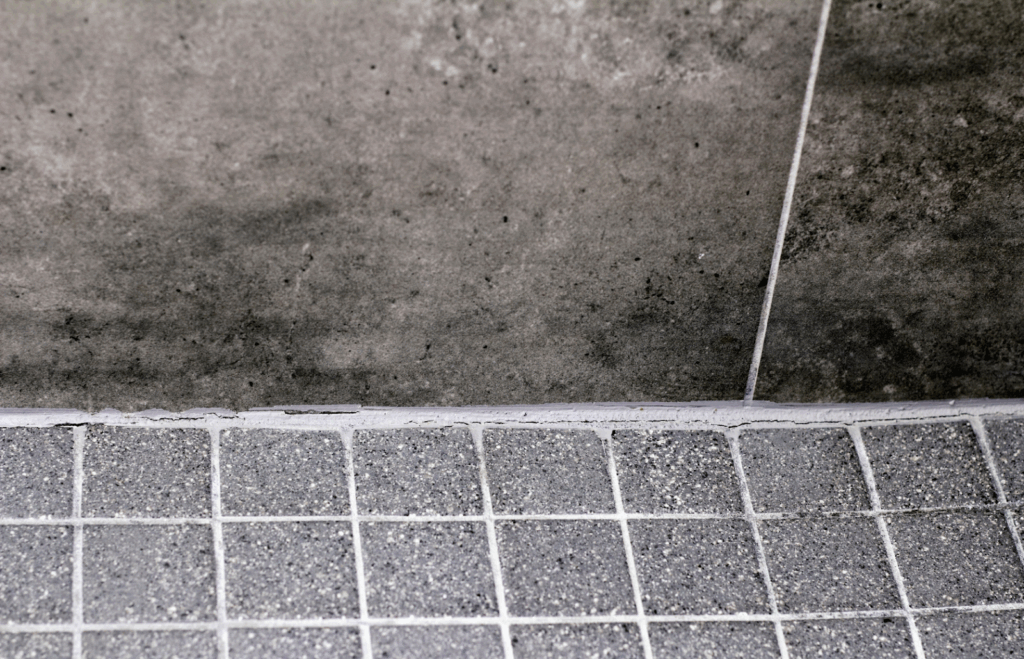
The good news is that showers rarely fail without sending up some distress signals. The challenge is learning to recognise them before they evolve into full-blown disasters. Here are some of the signs that you should never ignore:
Immediate Action Required
If you’re noticing loose tiles or a hollow sound when you tap them, it could be a sign that the waterproofing membrane underneath has failed. It’s a common issue that often goes unnoticed until it’s too late. Similarly, cracks in grout lines and separation between the shower base and walls are clear indications that water could be making its way behind the tiles and causing damage to your walls and subfloor. If the floor around the shower feels spongy or soft, it’s often a result of water making its way into the subfloor, potentially leading to costly repairs.
Keep an eye on stains on walls or ceilings in adjacent rooms, as this usually points to active leaks. If the bathroom starts smelling musty, it’s often the first sign that moisture has been hiding somewhere, possibly out of sight. Peeling paint or wallpaper near the shower can also signal that water is migrating through the walls, creating potential structural issues. And, if you notice chalky white deposits forming on tiles or grout, it’s a sign that water has been moving through, leaving behind mineral deposits. These are all signs that it’s time to take action and get a professional to assess the situation before it turns into something more serious.
Developing Issues Requiring Attention
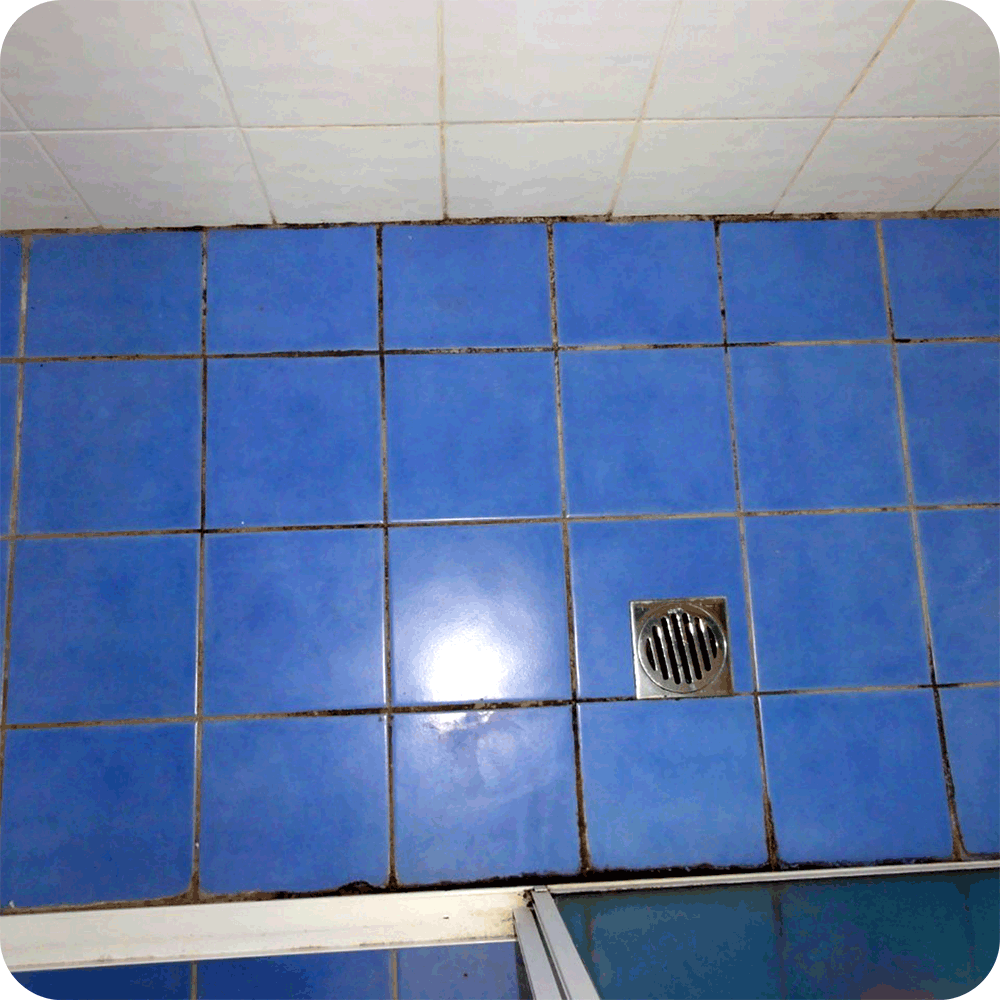
If you’re noticing slow drainage in the shower, it might not just be a clogged drain. It could be a sign of blockages or even structural settling affecting the plumbing. Similarly, soap scum that seems to return no matter how often you clean is another red flag, often pointing to surface damage that’s making it harder to keep things spotless. If grout discolouration doesn’t respond to cleaning, it could be a sign of moisture or mould embedded deep within the grout, which needs professional attention.
When it comes to maintenance indicators, if you notice worn or damaged sealant around fixtures, it’s more than just an aesthetic issue—those gaps could be allowing water to sneak in and cause problems. Calcium buildup on showerheads or taps is a common issue in homes with hard water, and it can affect your water pressure and plumbing efficiency. If you spot rust stains around metal fixtures, it could indicate that moisture is consistently present, leading to oxidation. These signs may seem minor, but catching them early can save you from bigger headaches down the road.
Long-term Monitoring Points
And then there are maintenance red flags: sealant pulling away from fixtures, calcium buildup on taps and showerheads, or rust marks around metal fittings. They might look minor, but they’re often early-stage indicators of bigger problems.
Regular inspection of these areas helps catch problems early:
- Grout condition: Should remain consistent in colour and texture
- Sealant integrity: Check quarterly around all penetrations and joints
- Drainage efficiency: Water should clear within 2-3 minutes after use
- Ventilation effectiveness: Surfaces should dry completely within 2-4 hours
How Early Detection Prevents Large-Scale Damage
There’s a saying in property maintenance: small leaks sink big budgets. Acting on early warning signs is always cheaper and easier than waiting until structural issues appear.
In Australia, the cost of regrouting a shower can be as little as $200 to $500, depending on the size and complexity of the job. Compare that with structural repairs from water damage, which regularly run into tens of thousands of dollars. According to Archicentre Australia, once water seeps into subflooring or framing, repair costs can easily exceed $30,000.
Catching leaks early doesn’t just protect your wallet. It helps protect your health by stopping mould before it spreads. It conserves water, too. Unnoticed leaks can waste hundreds of litres per day. In a country like Australia, where water scarcity is an ongoing issue, that’s no small matter.
Modern leak detection technology makes early intervention even easier. Thermal imaging cameras, acoustic sensors, and moisture meters can identify hidden leaks with around 90% accuracy. By using these tools, shower repair technicians can pinpoint the problem without invasive guesswork, saving time and avoiding unnecessary tile removal.
Understanding Water Damage Risks: The Science Behind Shower Failures
Water damage might seem random, but in reality, it follows a predictable pattern. Understanding these stages can help property owners and managers know when to act.
Stage 1: Surface Penetration (Weeks 1-4)
In the first stage, water sneaks in through compromised grout, cracked tiles, or failed sealant. The damage isn’t visible yet—it’s happening quietly behind the finished surfaces. Left unchecked, it progresses to the second stage, where the waterproofing membrane itself begins to degrade. Once this critical barrier fails, water starts reaching structural elements.
Stage 2: Membrane Compromise (Months 1-6)
Continued water exposure begins to degrade the waterproof membrane beneath tiles. This critical barrier failure allows water to reach structural elements. Property managers should note that this stage often coincides with tenant complaints about adjacent wall dampness or paint issues.
Stage 3: Structural Impact (Months 6-18)
Stage three is where things get expensive. Timber framing rots, steel corrodes, and concrete develops cracks or “cancer” from moisture exposure. At this point, repairs usually involve major reconstruction.
Stage 4: Secondary Damage (12+ months)
The final stage brings secondary damage like mould infestations, electrical hazards, and water spread into adjoining rooms or neighbouring units in strata complexes.
Several factors accelerate this progression. Poor building design, like insufficient drainage fall or inadequate ventilation, can make showers more vulnerable. Bathrooms in high-use properties, such as hotels or rental apartments, wear down faster simply from frequency of use. Hard water, common in parts of Australia, leaves mineral deposits that eat away at grout and sealants. And of course, neglected maintenance. Delaying small fixes or using harsh cleaning products only speeds up the process.
For strata managers and landlords, insurance and liability become critical considerations. Strata insurance often covers structural damage to common property but may exclude gradual deterioration. Landlords are responsible for maintaining structural waterproofing, while tenants are typically expected to maintain cleanliness. Documentation of inspections and repairs is essential to support claims if disputes arise.
Common Shower Repair Solutions in Australian Homes
When a shower starts leaking or showing visible damage, the big question becomes: repair or replace?
Tile Repair: Regrouting, Replacement, and Crack Fixes
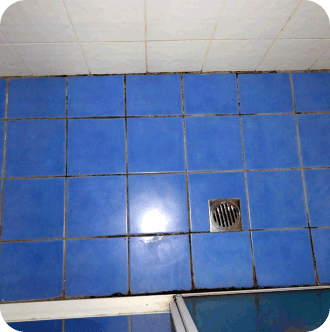
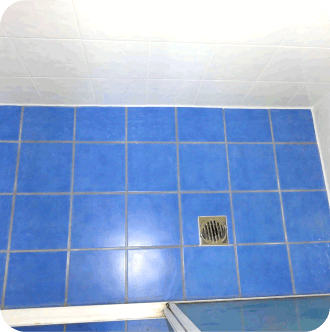
- Regrouting: Removing old, deteriorated grout and applying fresh grout to restore the waterproof barrier.
- Tile Replacement: Damaged tiles are carefully lifted and swapped with new ones without disrupting surrounding finishes.
- Crack Fixes: Hairline cracks in tiles may seem harmless, but often allow water infiltration. Repairs can involve epoxy sealing or tile replacement, depending on severity.
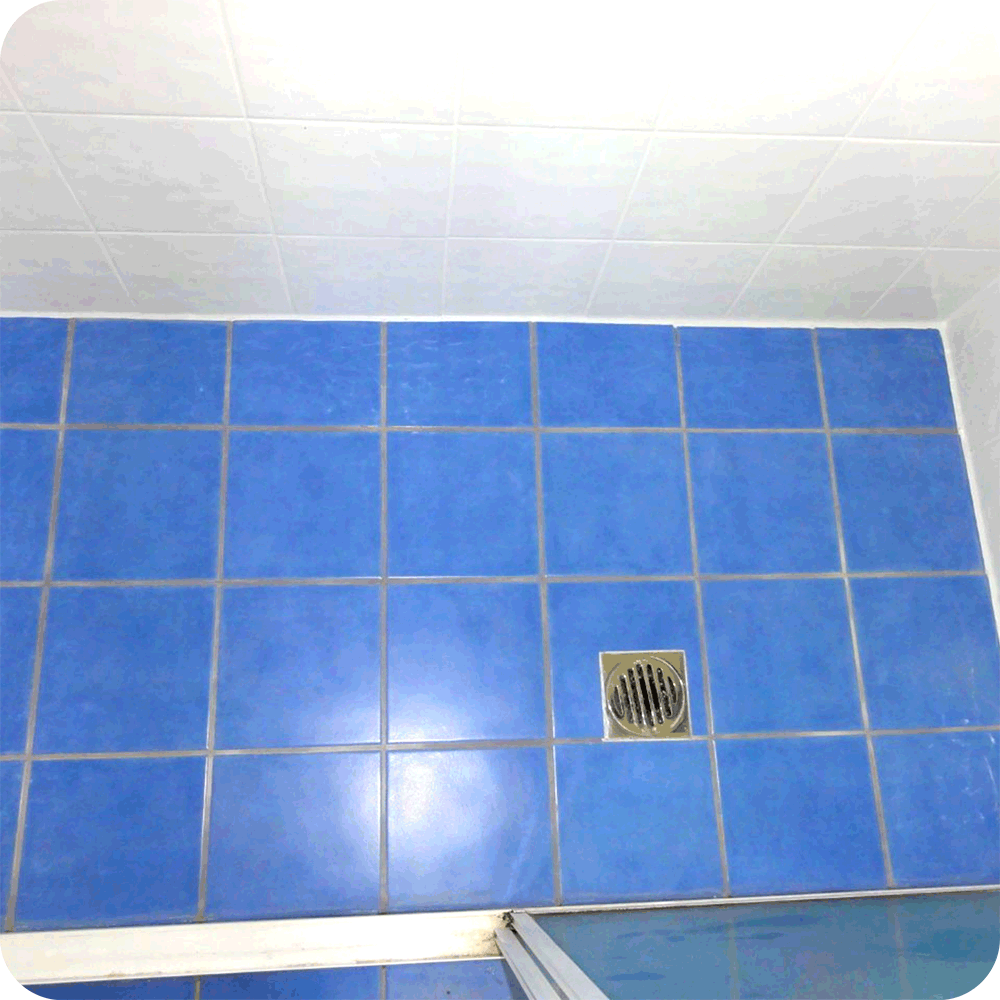
Tiles are often the first area needing attention. Regrouting restores the waterproof barrier, while damaged tiles can usually be replaced individually without disrupting the entire wall. Hairline cracks can often be sealed with epoxy rather than removing the tile altogether. Addressing these issues early stops water from spreading into the subfloor or wall cavities.
Base Repair: Epoxy Coatings and Structural Replacement
The shower base (or tray) is often the culprit when leaks become persistent.
- Epoxy Coatings: Modern epoxy-based seals provide a durable, watertight barrier without removing the base. This is especially effective in strata units or apartments where demolition is disruptive.
- Structural Replacement: In severe cases, the shower base may have shifted, cracked, or deteriorated beyond repair. This requires removal and replacement, ensuring compliance with today’s Australian waterproofing standards.
Sometimes an epoxy coating is enough to restore waterproofing, particularly in apartments where demolition would be highly disruptive. But if the base has cracked or shifted, structural replacement may be the only reliable option.
Silicone vs Epoxy for Hairline Cracks
Then there’s the question of what material to use for repairs. Many people assume silicone is the answer to everything, but while it works well as a flexible sealant around edges, it’s not the best choice for cracks. Epoxy, by contrast, creates a rigid, long-lasting seal that holds up far better under constant water exposure. Using the right material in the right place can mean the difference between a temporary patch-up and a permanent solution.
- Silicone: Flexible, affordable, but generally short-term.
- Epoxy: Strong, long-lasting, and forms a true waterproof seal.
Of course, there are times when repairs simply won’t cut it. If leaks persist despite repeated attempts, if there’s widespread tile damage, or if the waterproofing is outdated and non-compliant, full replacement is the only path forward. It’s a bigger upfront investment, but it prevents endless cycles of smaller repairs.
Repair Without Tile Removal—A Game Changer
One of the most common misconceptions is that fixing a leaking shower always requires ripping out tiles. In reality, 95% of the showers can be repaired without removing a single tile, thanks to modern sealing technologies.
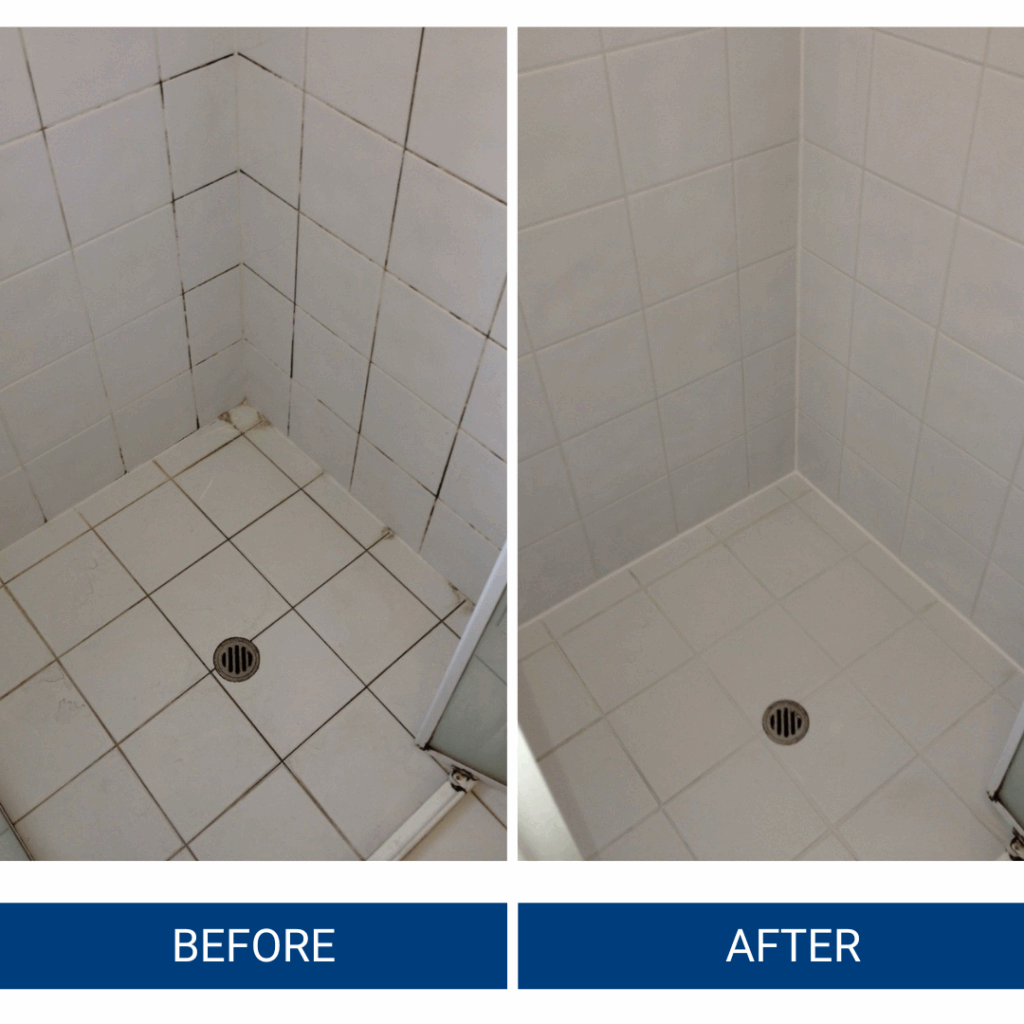
The Shower Repair Centre’s DiamoSmart System® and patented SealRight™ epoxy seal allow technicians to repair showers quickly and effectively without demolition. This approach is faster, less disruptive, and more affordable, making it ideal for strata buildings where downtime needs to be minimised, as well as hotels or commercial properties that can’t afford lengthy disruptions.
With over 85,000 successful repairs completed across Greater Sydney, the Gold Coast, Brisbane, and the Northern Rivers, The Shower Repair Centre has seen firsthand how effective this method can be. Backed by a 25-year SealRight™ Product Warranty, it provides property owners with the peace of mind that their investment is protected.
Advanced Waterproofing: Technology and Innovation
Waterproofing has come a long way from the days of cement and silicone. Today’s systems use smart materials designed to adapt to building movement and environmental changes.
The DiamoSmart System® incorporates self-healing properties, meaning micro-cracks seal themselves when exposed to moisture. It also offers flexible bonding that accommodates structural movement without failure, extended warranty coverage for up to 15 years, and a faster installation process that reduces renovation timelines by almost half.
Meanwhile, SealRight™ Technology focuses on the points where most shower failures begin—the junctions between walls, floors, and plumbing fixtures. Its molecular-level adhesion creates a permanent bond, resistant to cleaning chemicals, mineral deposits, and temperature extremes. By targeting these high-risk zones, SealRight™ eliminates the majority of common failure points and reduces maintenance requirements for more than a decade.
For strata and commercial properties, these advanced systems aren’t just technical upgrades. They represent long-term savings, reduced maintenance cycles, and better compliance with insurance and regulatory standards.
Preventative Maintenance Tips
The smartest approach to shower maintenance is prevention. Seasonal checks are especially important in Australia, where hot summers and cold winters cause tiles and seals to expand and contract. Inspecting for cracks or brittle silicone before the seasons change can stop minor issues from becoming major repairs.
For multi-unit and strata properties, regular inspections every six to twelve months are critical. A single leaking shower in one apartment can quickly spread damage to others, sparking disputes and costly repair projects. Proactive inspections help managers catch problems before they escalate.
Simple daily upkeep goes a long way too. Keeping drains clear, wiping down tiles and glass to reduce soap scum, and resealing when needed all extend the lifespan of grout and seals. Pairing these practices with scheduled professional maintenance, such as regrouting or epoxy treatments, ensures compliance with waterproofing standards and keeps showers looking and performing their best.
Conclusion: Protecting Showers, Protecting Investments
Showers may not be the first thing you think about when protecting your property investment, but they should be near the top of the list. Left unchecked, shower leaks can cause significant structural damage, lower property values, and create disputes no one wants to deal with. But with early detection, modern repair solutions, and preventative maintenance, you can keep showers performing well for decades.
At The Shower Repair Centre, we’ve spent 27 years helping homeowners, strata committees, and property managers safeguard their properties. Whether it’s a quick regrout, a no-tile removal repair, or a full rebuild, our patented technologies and industry-leading warranties provide long-term peace of mind.
Don’t wait for small leaks to become major problems. Contact us today for a free assessment and protect your property investment for years to come.
About the Author:
Mark Studdert is the founder of The Shower Repair Centre, specialising in shower leak repairs, waterproofing, leak detection, and bathroom restoration. With over three decades of experience, he pioneered and patented the DiamoSmart® technology, helping save leaking bathrooms without tile removal in 95% of cases.