Did you know that a single small leak in your shower can waste up to 10,000 litres of water a year?
Even more worrying when that water seeps behind the tiles, it can quietly damage your bathroom from the inside out. What starts as a small patch of loose grout or a cracked tile can quickly escalate into mould growth, swollen walls, and even structural decay.
Understanding what happens when water gets behind shower tiles can help you act early, avoid costly repairs, and maintain a healthy, watertight bathroom.
How Showers Become Vulnerable to Water Seepage
Showers are constantly exposed to moisture, steam, and fluctuating temperatures. Over time, grout lines, sealants, and tile adhesives naturally wear down. When their waterproofing integrity is compromised, water can start seeping through microscopic gaps.
Common entry points include:
- Cracked or missing grout
- Deteriorated silicone along edges
- Loose or hollow-sounding tiles
- Poorly sealed joints near drains or shower screens
Once water gets past the tile surface, it no longer evaporates easily. It collects behind the tiles often going unnoticed until visible damage appears.
Stage 1: Moisture Trapped Behind the Tile
The first stage of tile water damage is almost invisible. Moisture begins seeping through porous grout or fine cracks in the tile glaze. Because tiles are not entirely waterproof on their own, the waterproofing membrane underneath is the real line of defence.
If that membrane is damaged, incomplete, or old, water can soak into the adhesive bed or wall substrate. Over time, it may loosen the tile bond, leading to that telltale “hollow” sound when you tap the tile surface.
At this point, the damage may not be visible. But the area behind the tile is damp, creating ideal conditions for mould and bacteria to grow.
Stage 2: Mould and Mildew Growth
Once moisture is trapped behind tiles, mould and mildew can develop in as little as 24 to 48 hours. These fungi thrive in dark, humid environments and quickly spread across wall cavities and under flooring.
You may notice:
- A persistent musty smell
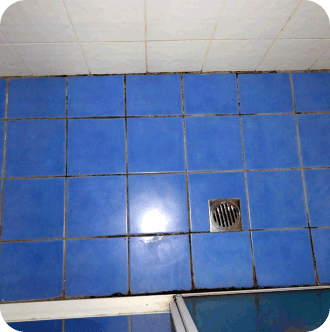
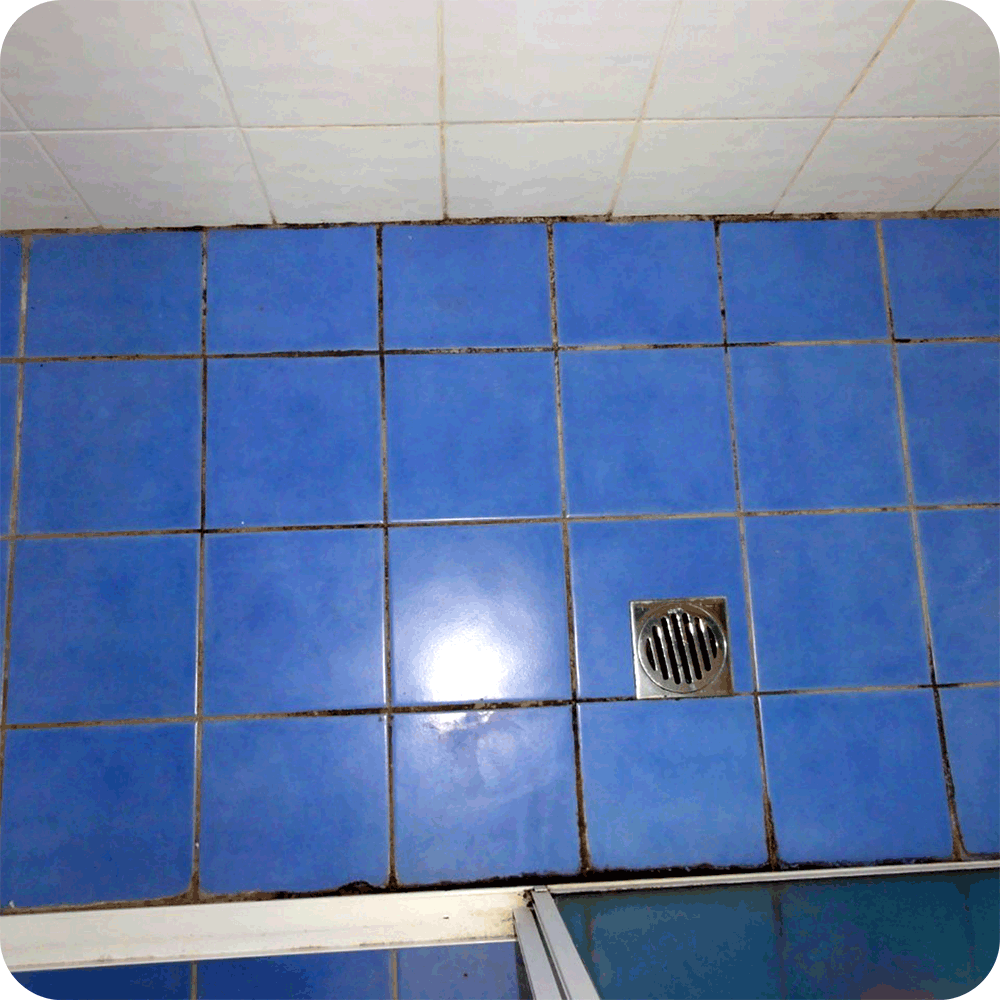
- Discolouration around grout lines
- Dark patches that reappear after cleaning
Aside from being unsightly, mould poses serious health risks, especially for seniors, children, and people with respiratory issues. Continuous exposure can trigger allergies, asthma, and skin irritation.
If you see black mould forming around your shower corners or silicone joints, it’s a sign that moisture is leaking behind the tiles, not just on the surface.
Stage 3: Tile Movement and Cracking
As water continues to penetrate behind the tiles, it starts to weaken the adhesive and grout. The result? Tiles that begin to shift, bulge, or even fall off.
This happens because water causes the adhesive to lose its bonding strength, especially in cement-based tile beds. As the substrate swells and contracts with changing moisture levels, cracks can form in both tiles and grout lines, creating even more pathways for water to enter.
In severe cases, the tile base or plasterboard behind the wall may start to crumble, leading to costly structural repairs.
Stage 4: Structural and Hidden Water Damage
The most serious consequence of trapped moisture is structural damage. Once water seeps past the waterproofing layer, it can reach wall studs, subfloors, or concrete slabs.
Common signs of deep water damage include:
- Warped skirting boards or swollen plaster
- Peeling paint or bubbling walls outside the shower area
- Persistent dampness or dark stains on adjacent walls
- A noticeable drop in tile surface temperature (from trapped moisture)
If left untreated, this moisture can rot timber framing or corrode metal fixings within the wall cavity. Repairs at this stage often require full shower waterproofing replacement, retiling, and sometimes even wall reconstruction.
How to Detect Water Behind Shower Tiles
Early detection of hidden shower leaks can save you from expensive repairs. Here are common signs to watch for:
- Loose or hollow tiles: Tapping a tile that sounds hollow indicates the adhesive underneath has failed.
- Persistent mould: If mould returns shortly after cleaning, moisture is trapped behind the tiles.
- Soft or discoloured grout: Damp grout can signal water penetration.
- Peeling paint or damp walls nearby: Water may be spreading beyond the shower area.
- Unexplained odours: A musty smell is often the first warning sign of hidden moisture.
If you notice any of these, a professional leak detection or shower repair service should inspect your waterproofing and tile condition.
The Shower Repair Centre offers professional repairs that not only repair leaks but also extend the lifespan of the entire shower system. Proactive care helps keep your shower watertight, hygienic, and free from hidden moisture damage.
The Bottom Line
Water getting behind shower tiles isn’t just a cosmetic issue—it’s a silent problem that can lead to mould, leaks, and even structural decay. Once moisture breaches the waterproofing layer, repairs become far more complex and expensive.
If you suspect water has seeped behind your tiles, it’s best to act fast. Contact us so we can assess the damage, restore waterproofing, and prevent future leaks—saving you from costly rebuilds down the track.