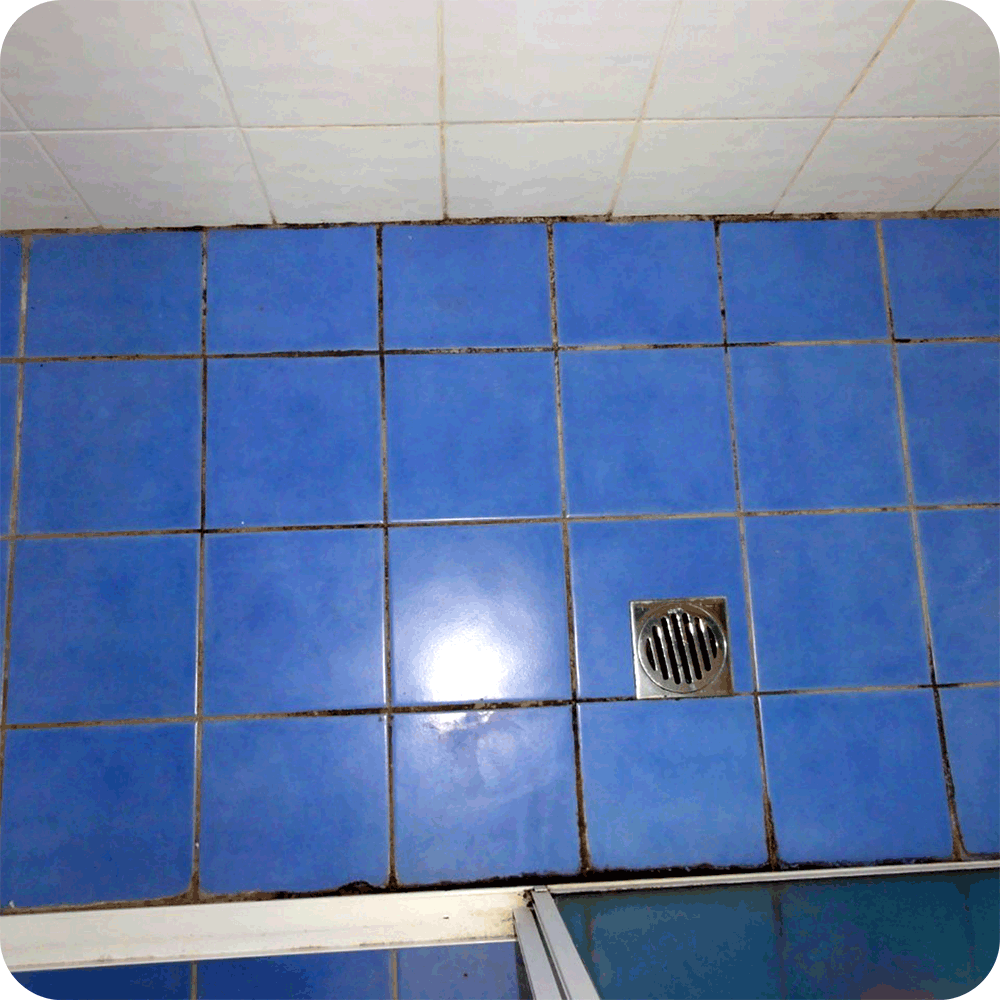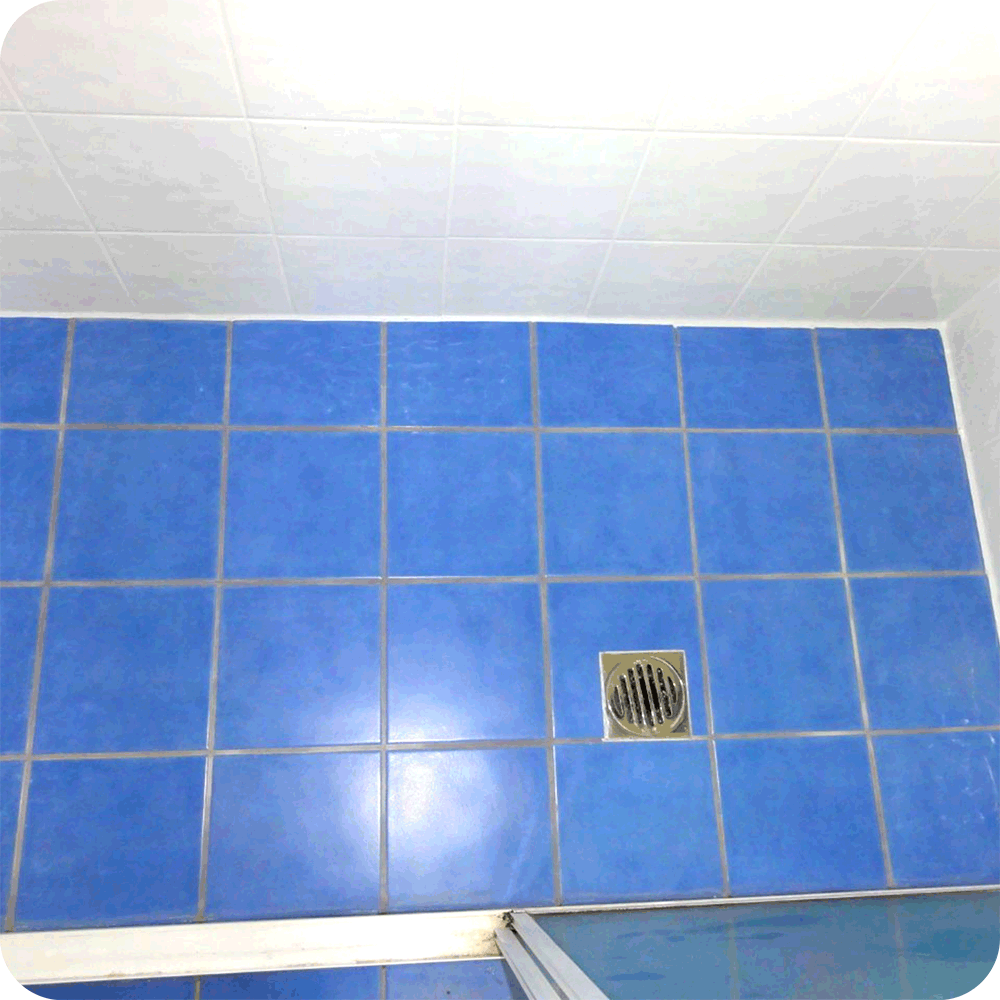
About one in three older Australians (approximately 30-33%) aged 65 and over experience at least one fall each year. Falls are a major health risk for older Australians and cause a large proportion of injury-related hospital admissions. And bathrooms are often a common location where these falls happen. In fact, 40% of falls happen in bathrooms in older Australian adults.
This is why shower maintenance and inspections are so important for those managing retirement homes or aged care centres.
Why Regular Shower Inspections Matter for Retirement Villages
Retirement villages are subject to regular inspections to ensure compliance with the Retirement Villages Act and related building codes. Inspectors can enter premises with consent or warrants to check for safety and legal compliance. Building codes require showers in these settings to comply with waterproofing, drainage, water temperature controls, and accessibility standards for safety and hygiene.
Maintaining showers according to the latest requirements for retirement villages and aged care centres ensures the safety and well-being of residents, all while minimising the risk of liability.
How to Ensure Shower Safety in Retirement Villages?
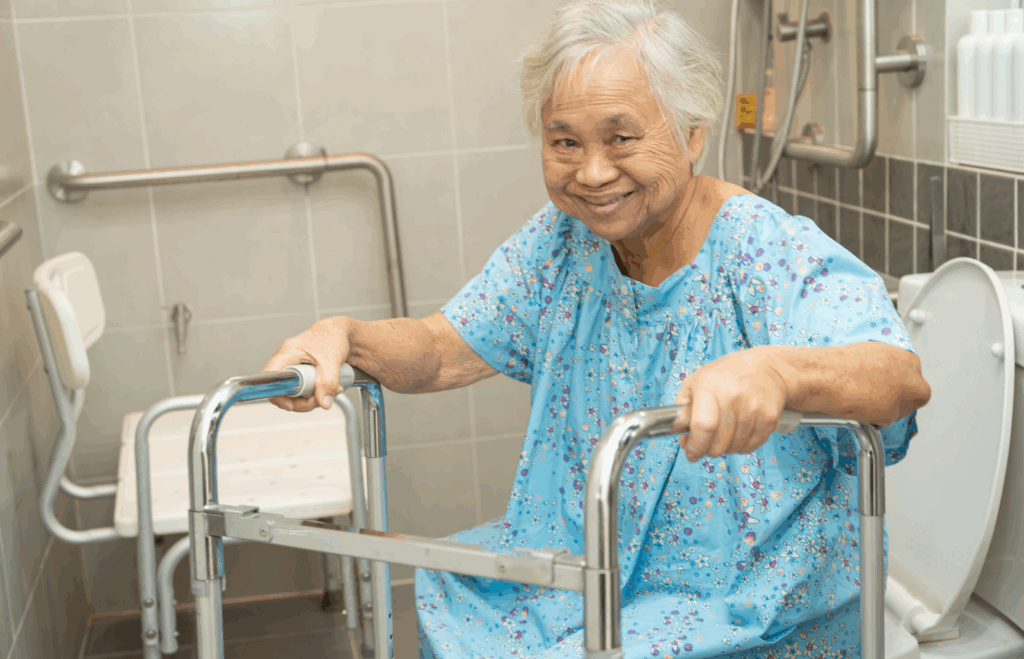
An effective shower inspection for seniors doesn’t just focus on the obvious signs of damage. It also involves a comprehensive check of the overall condition and functionality of the shower area. This includes:
Waterproofing
Ensure the waterproofing membrane is intact, checking for moisture or damp spots under tiles or along walls. Look for cracked or worn sealant around fixtures, as it can lead to water seepage. Regularly reapply sealant to maintain the waterproof barrier. Failing to address leaks quickly can lead to expensive structural damage and mould growth.
Tile and Grout Condition
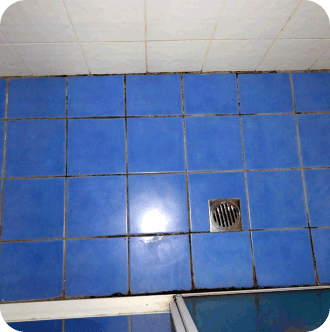
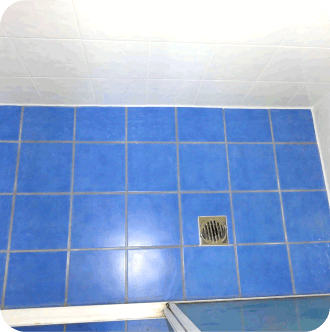
Inspect tiles for cracks, chips, or missing pieces that could expose the structure to water leaks. Check the grout for cracks or discolouration, as compromised grout allows water to seep through. Ensure the grout is free of mould, which can cause health issues for seniors. Regrouting may be needed for damaged or ineffective grout.
Drainage
Check if water drains efficiently, as slow drainage can cause pooling water and increase slip hazards. If the drainage is slow, it may indicate a blockage or plumbing issue. Ensure that drains are clear and functioning correctly to prevent water backing up, which can lead to water damage and hygiene concerns.
Grab Rails and Non-Slip Mats
Ensure grab rails are securely installed at the appropriate height and easily accessible. Check for any loose or unstable rails, as they are critical in preventing falls. Non-slip mats should be in good condition, securely placed, and providing effective traction. Replace mats showing signs of wear to maintain safety.
Shower Base
Inspect the shower base for any cracks or chips that could cause water to pool, leading to slip hazards. Cracks can also allow water to seep underneath, causing damage to the subfloor. Regularly check the base for signs of wear, and address any issues promptly to prevent further deterioration and mould growth.
Conclusion: Keeping the Shower Safe and Accessible for Seniors
Accessibility is key in retirement villages. Showers for seniors should be both safe and accessible, catering to a wide range of mobility needs. This is where thoughtful design and careful inspection come together.
Regular inspections in retirement villages and aged care centres are a simple yet powerful way to catch problems before they become hazards. From loose tiles to worn-out seals, early detection can save you from expensive repairs and, more importantly, prevent falls and injuries.
So, let’s all stay one step ahead. Contact a shower repair services near you and schedule a free inspection. This ensure peace of mind for your seniors because safety should never be an afterthought.