Water damage claims have surged, with an average claim cost increasing by 72% from A$17,637 in 2014 to A$30,361 in 2018. Internal water damage has become more common and costlier than fire and burglary claims in Australian homes. Victoria and Western Australia have higher claim rates by 20%, likely influenced by building methods and infrastructure affecting water damage risks.
Water damage can cause significant structural damage, mold growth, electrical hazards, and health risks to occupants if untreated. That’s why understanding water damage risks is more than just maintenance. It’s damage control, risk management, and tenant relations all rolled into one. Here are the common causes of leaks in apartments and units:
Burst or Blocked Pipes
This is the leading cause of water damage in Australian properties, accounting for about 46% of related claims. Aging or broken plumbing pipes and fixtures are major contributors.
Malfunctioning Plumbing Fixtures and Appliances
Toilets, dishwashers, washing machines, and water heaters cause significant water damage risks due to leaks or bursts. Faulty faucets and taps, especially leaks in showers and taps, are common contributing factors to bathroom water damage.
Flexible or Braided Hoses
Flexible braided hoses connecting water outlets are among the most frequent sources of internal water damage in strata properties, often failing unexpectedly and causing extensive damage.
Overflowing Baths, Sinks, and Showers
Overflow and poor drainage lead to water damage in bathrooms, making up 13.4% of water damage claims in homes. Blocked drains causing backups are also a frequent issue.
Roof and Gutter Issues
Blocked or damaged gutters and drains cause water to back up and infiltrate properties. Although relating more to external parts of buildings, they contribute to water ingress issues in properties, indirectly impacting bathroom areas if water pools or leaks inside.
How Water Spreads (and Why It’s Expensive to Ignore)
In multi-unit buildings, the risks are magnified. Poor workmanship during construction or rushed renovations often means corners were cut, literally and figuratively. Add to that the natural movement of a building over time, and you’ve got shifting tiles, stressed joints, and sealants that no longer do their job.
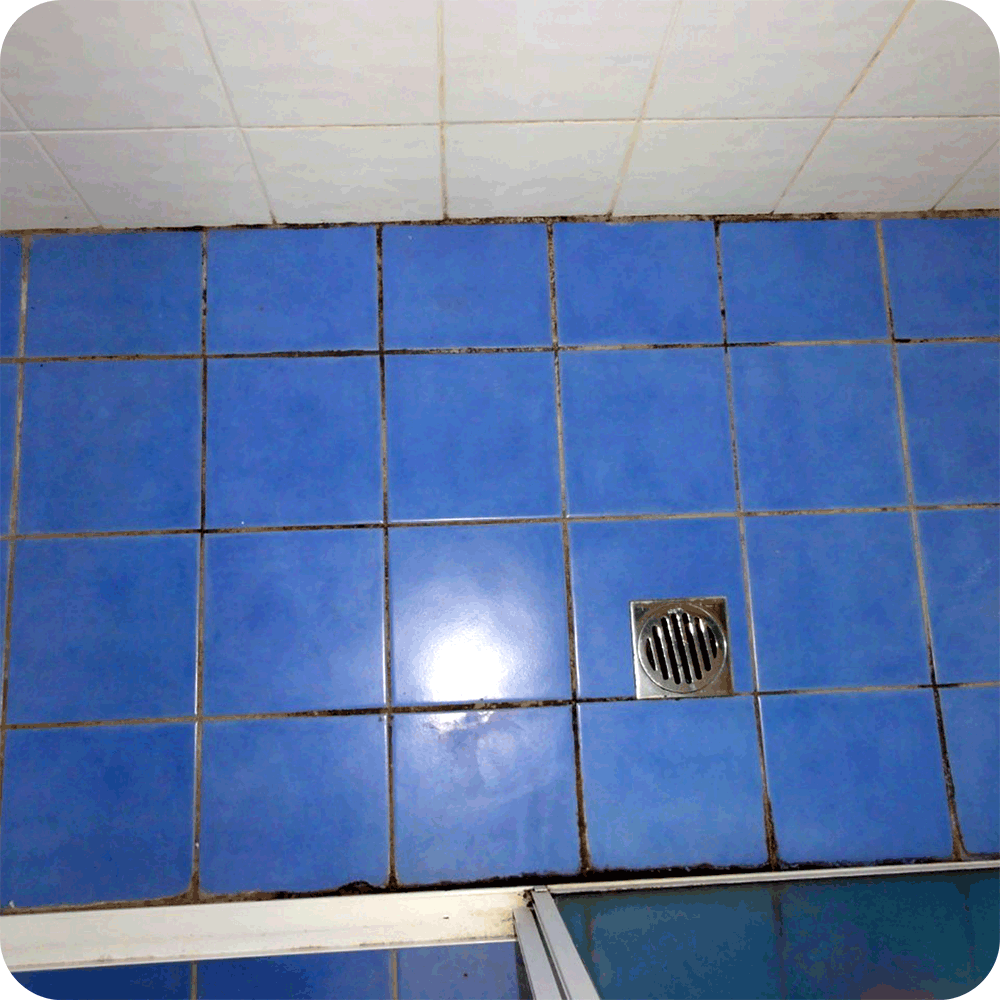
Sometimes tenants make the problem worse without realising. Harsh cleaning products, DIY fixes, or even ignoring early signs like loose tiles or damp smells can accelerate the issue. By the time a strata manager gets the call, what looks like “just a bit of mould” could already be a bigger headache.
Moreover, it’s tempting to call in a handyman or attempt a quick DIY repair. But here’s the catch: in multi-unit buildings, a “patch job” isn’t just a temporary fix, it’s a liability waiting to happen. If water keeps spreading, strata and property managers may find themselves accountable for not addressing the issue properly.
And the financial fallout can be significant. Strata insurance may cover certain repairs, but repeated claims or evidence of poor maintenance can push premiums sky-high. And while you’re dealing with insurance forms, tenants or owners are dealing with the inconvenience of ripped-out bathrooms, damp carpets, and sometimes even temporary relocations.
It’s not just about money, either. A neglected shower leak can damage relationships with tenants and owners. No one wants to hear that their bathroom will be out of action for weeks because of an issue that could have been caught earlier.
That’s where professional shower repair services make all the difference.
TSRC’s High-Quality Repair and Sealing Solutions
The Shower Repair Centre (TSRC) brings over 27 years of experience to the table, and in that time, we’ve seen it all. From minor leaks that just needed resealing to full-blown cases where water had damaged multiple units. Our process is designed for efficiency and peace of mind.
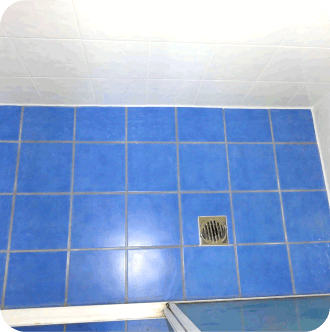
Using advanced tools like the DiamoSmart System® and our SealRight™ epoxy seal technology, we provide long-term protection that standard grouting and sealants can’t match. Unlike quick fixes, our methods target the most vulnerable points in showers like perimeter seals and bathroom floors, where leaks occur 95% of the time – all without removing tiles.
For property managers juggling dozens of units, this means fewer callbacks, fewer disputes with owners, and fewer frantic late-night emails from tenants worried about water damage.
And because we know managing multiple stakeholders can be stressful, TSRC also offers a concierge-style service. We handle tenant communications, arrange inspections, provide updates, and deliver reports. You get to sit back and know the problem is being handled professionally without being stuck in the middle of endless back-and-forth.
Conclusion
Fixing leaks is only part of the story. Preventing them from happening again is where real value lies. That’s why TSRC doesn’t just repair. We also provide preventative maintenance programs for strata and property managers.
By scheduling routine inspections, we can catch early warning signs before they escalate. Think of it like regular health check-ups, but for your building’s showers. It’s far cheaper to fix a small crack in the seal than it is to repair damage across three floors.
In the long run, this proactive approach saves money, keeps tenants happy, and reduces the stress of emergency repairs. And let’s be honest—no property manager has ever said, “I wish I’d waited longer to fix that leak.”
If you’ve noticed leaks or suspect shower damage in your building, don’t wait until the problem spreads. Contact TSRC today and protect your property before the drip becomes a deluge.