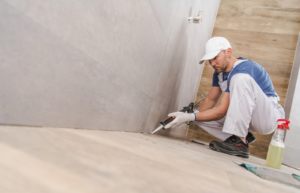

DIY, or “do-it-yourself,” refers to the practice of building, modifying, or repairing things oneself without relying on professional help, often driven by a desire for cost savings, customization, or personal satisfaction.
Social media is a popular resource for DIY guidance, with 77% of homeowners using it and reporting an average savings of $2,128 over time, but this approach can also lead to incomplete or substandard repairs. No wonder around 75% of homeowners attempt DIY fixes before calling professionals, yet 17% of these efforts result in additional damage, averaging $599 in extra costs per incident.
Cost and Quality Comparison: DIY vs. Pro
DIY repairs typically have lower initial costs by avoiding labour fees, which can account for 50% or more of professional service bills. However, while DIY projects may seem more cost-effective upfront, they often result in higher overall costs due to overruns, delays, and potential non-compliance with local building codes, which could lead to fines or legal issues.
Professional repairs, although more expensive initially, offer higher quality, durability, and come with warranties that reduce the risk of future problems. Nearly 30% of homeowners abandon DIY projects, leaving incomplete work that causes ongoing stress and disruption. For urgent or complex tasks, 63% of homeowners opt for professional services, valuing safety and reliability.
The DIY approach: What it offers and what it doesn’t
Pros:
- Cost‑saving: For minor issues (e.g., peeling sealant, cracked grout), the immediate outlay may be modest.
- Control: Homeowners, strata committees, or property managers can schedule and monitor the job according to their own timing.
- Satisfaction: There’s a sense of hands‑on accomplishment.
Cons:
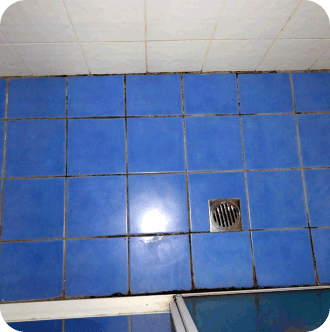
- Hidden complexity: A visible crack or discoloured grout may only be the tip of the iceberg. If the waterproofing has failed, moisture may be hidden behind tiles or within the structure — becoming visible only later.
- Risk of inadequate repair: Without specialist tools and methods, the fix may be temporary. This can lead to repeat issues or far more costly repairs down the track. For example, while some DIYers will re‑grout or apply a bead of sealant, they may not address the source or ensure correct drainage or substrate waterproofing.
- Time and disruption: What looks like a quick patch can turn into a multi‑day project, especially if things don’t go as planned.
- Impact on asset value and warranty: For strata or property managers, a faulty fix may result in future claims, increased maintenance, and disputes.
The Professional Approach: The Case for Expertise with TSRC
When it comes to shower repairs, opting for a professional approach like The Shower Repair Centre (TSRC) ensures a comprehensive solution that addresses every aspect of the issue.
We use specialist technology and materials, including our exclusive DiamoSmart® System, to provide minimal disruption, faster turnaround, and less demolition, preserving the integrity of your tiles and the surrounding areas. When you choose our team, you also benefit from long-term warranties and peace of mind. Our 25-year product warranty for SealRight™ ensures that the repair is done right, with guaranteed durability and protection for homeowners, strata managers, or institutional clients.
Some of the notable clients we worked with include the Intercontinental Grand Standford Hong Kong, Shangrila Hotel Sydney, The Sebel Sydney Chatswood, and Travelodge Hotels.
Conclusion
While professional services may have an up-front cost higher than DIY repairs, the long-term value, risk mitigation, and protection of your assets make it a wise investment. Additionally, professional repairs can be scheduled to fit your needs, even in multi-unit buildings or strata settings, where coordination is key.
For homeowners, strata and property managers seeking a lasting solution rather than a temporary fix, TSRC is your go‑to partner protecting Australia’s most valuable assets, homes, apartments, hotels and hospitals alike.
Contact us today for a free quote.